

An analysis of children from the Avon Longitudinal Study of Parents and Children is providing insight into the potential for increased risk of mental health disorders among patients with high insulin levels or high BMI trajectory as a child.
Patrick Campbell is the editorial director of HCPLive. Patrick has spent years spearheading coverage surrounding cardiometabolic health and rheumatic disease for MJH Life Sciences. Before joining MJH Life Sciences in 2019, he spent time as a beat reporter and/or multimedia specialist with the Pocono Record, Star News Group, and NJ Advance Media. He is the executive producer for multiple HCPLive podcasts, including Diabetes Dialogue, Don't Miss a Beat, Kidney Compass, Medical Ethics Unpacked, The Medical Sisterhood, and Skin of Color Savvy.
Follow him on Twitter @RealPatCampbell or reach him via email at PCampbell@mjhlifesciences.com.
An analysis of children from the Avon Longitudinal Study of Parents and Children is providing insight into the potential for increased risk of mental health disorders among patients with high insulin levels or high BMI trajectory as a child.

An analysis of nearly 100k people from the UK Biobank study suggests there was no upper threshold on the reduction in risk of cardiovascular disease derived from physical activity.

A systematic review and meta-analysis of 23 trials suggest adhering to a low carbohydrate diet for a 6-month period could facilitate remission of diabetes and lead to reductions in body weight.

An analysis of more than 100k people from five community-based cohorts indicates consuming one alcoholic drink per day could increase risk of atrial fibrillation by 16%, while consuming four per day increased risk by 47%.
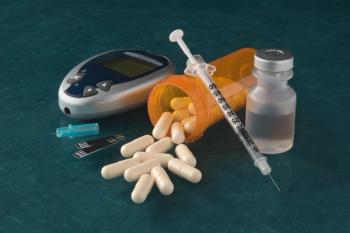
An analysis of data from questionnaires sent to more than 400 patients from a diabetes clinic in Europe gives insight into the impact of lockdown measures on body weight, HbA1c control, and perceived levels of stress and anxiety.

A retrospective cohort study suggests peak atrial longitudinal strain and peak atrial contraction strain could help clinicians identify HFpEF patients at greatest risk for developing atrial fibrillation.

A double-blind, placebo-controlled trial is providing insight into the effects of saccharin use on the development of diabetes and glucose absorption in healthy patients.

An analysis by clinicians from Beth Israel Deaconess Medical Center provides an overview of the increase in cardiac deaths occurring as a result of avoiding emergency departments during the COVID-19 pandemic.

An analysis of patients from 52 clinical sites details an apparent increase in risk of being hospitalized for diabetic ketoacidosis after contracting COVID-19 among Black patients compared to White patients.

An analysis of data from a medical center in the UK suggests patients with heart failure were at nearly double the risk of dying from COVID-19 as their counterparts without COVID-19.

Results of the REPLACE COVID trial offer clinicians an opportunity to better understand the impact of discontinuing therapy with ACEs or ARBs.

An analysis of OCT and OCTA scans from 129 diabetics suggests structural and vascular abnormalities of the retina can help predict cognitive decline in patients with type 1 diabetes.
A study from UCL is providing clinicians with an estimate of excess cardiac deaths that occurred as a result of nonattendance to emergency department visits during the March 2020 peak of the pandemic.
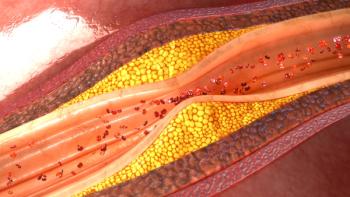
A randomized trial provides further insight into the effects of intensive lifestyle interventions on coronary plaque progression in patients with nonobstructive coronary artery disease.

An analysis of more than 1000 matched pairs of women receiving one of two common treatments for breast cancer were half as likely to be hospitalized for heart failure if they were also using statins.

An analysis of 7 AI algorithms for detecting diabetic retinopathy is shedding light on variability in outcomes using the various algorithms that have become available in recent years.
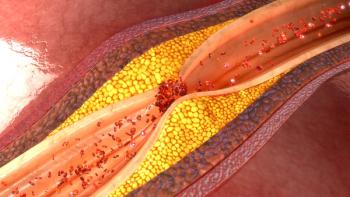
A single-center trial from Europe is comparing plaque progression using CTA scans of patients randomized to intensive lifestyle intervention versus optimized medical therapy alone.
A study from the University College of London estimated the impact of nonattendance to emergency department visits on excess cardiac mortality during the March 2020 peak of the pandemic.

The US FDA announced the approval of the first generic drug for the treatment of severe hypoglycemia with the approval of the glucagon for injection USP, 1 mg/vial.

The US FDA has declined to approve inclisiran ahead of its PDUFA date of December 23, instead issuing a CRL citing unresolved facility inspection issues.

A retrospective analysis of more than 7k patients from the ACCORD trial suggests intensive blood pressure and intensive blood glucose control could reduce the risk of cardiovascular autonomic neuropathy in diabetics.

Results of the INVESTED trial are shedding light on cardiovascular and pulmonary outcomes among patients with high-risk cardiovascular disease receiving standard-dose vs high-dose influenza vaccines.

An analysis of more than 7k patients with CAN data from the ACCORD trial suggest intensive blood pressure and blood glucose control could reduce risk of cardiovascular autonomic neuropathy.

Learn more about the importance of educating patients on the differences between store-bought fish oil supplements and therapies derived from omega-3 such as icosapent ethyl (Vascepa).

A randomized trial sponsored by the National Eye Institute is comparing the effects of a surgical vs anti-VEGF therapy in patients with proliferative diabetic retinopathy.

The FDA's Cardiovascular and Renal Drugs Advisory Committee (CRDAC) voted 12 to 1 in favor of an indication for sacubitril/valsartan (Entresto) during a December 15 meeting.

An analysis of more than 25 studies with more than 1 million patients is giving an overview of how the timing of a diabetes diagnosis can impact risk of complications later in life.
Results of CardioLink-9 suggest icosapent ethyl could provide symptom relief and reduce inflammation in patients with COVID-19.
An analysis of 15k patients hospitalized with COVID-19 suggests metformin use was associated with significant reductions in mortality among women who were obese or had type 2 diabetes.

An analysis of more than 7k patients from Brazil suggests high blood pressure at any age and for any amount of time was linked to accelerated cognitive decline later in life.