

The LIVMOR Halo AF Detection System has received 510(k) clearance from the US FDA and becomes the first prescriptible wearable for continuous heart monitoring in patients with atrial fibrillation.
Patrick Campbell is the editorial director of HCPLive. Patrick has spent years spearheading coverage surrounding cardiometabolic health and rheumatic disease for MJH Life Sciences. Before joining MJH Life Sciences in 2019, he spent time as a beat reporter and/or multimedia specialist with the Pocono Record, Star News Group, and NJ Advance Media. He is the executive producer for multiple HCPLive podcasts, including Diabetes Dialogue, Don't Miss a Beat, Kidney Compass, Medical Ethics Unpacked, The Medical Sisterhood, and Skin of Color Savvy.
Follow him on Twitter @RealPatCampbell or reach him via email at PCampbell@mjhlifesciences.com.
The LIVMOR Halo AF Detection System has received 510(k) clearance from the US FDA and becomes the first prescriptible wearable for continuous heart monitoring in patients with atrial fibrillation.

The LIVMOR Halo AF Detection System has received 510(k) clearance from the US FDA and becomes the first prescriptible wearable for continuous heart monitoring in patients with atrial fibrillation.

An analysis suggests 1-in-5 high-risk patients will experience at least one cardiovascular complication within the first year following non-cardiac surgery.

An analysis of data from more than 9 million women details the increased odds of developing gestational diabetes, gestational hypertension, and other complications associated with having polycystic ovary syndrome.

A trial presented at TCT 2020 suggests crushed prasugrel provided no reperfusion benefit when compared against integral tablet in STEMI patients.

An analysis of the Partners YOUNG-MI registry details the increased risk of mortality for facing women after myocardial infarction versus men.

An analysis of data from the REGARDS study suggests more than half of all patients hospitalized with heart failure were prescribed 10 or more medications at discharge.
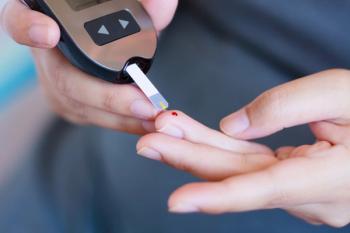
A study presented at UEG Week 2020 suggests a minimally-invasive, outpatient procedure combined with GLP-1 RA therapy could help diabetics eliminate the need for insulin therapy.

An analysis of Explorys data presented at UEG Week 2020 suggests bariatric surgery in obese diabetics could reduce risk of pancreatic cancer.

Muthiah Vaduganathan, MD, MPH, of Brigham and Women's discusses the barriers to preventing optimal prescribing practices for SGLT2 inhibitor and GLP-1 receptor agonist therapies.

A meta-analysis published in JAMA Cardiology details reductions in cardiovascular and kidney outcomes associated with SGLT2 inhibitor use in diabetes patients.

A meta-analysis published in JAMA Cardiology details reductions in cardiovascular and kidney outcomes associated with SGLT2 inhibitor use in diabetes patients.
This episode of the Endocrine Outlook podcast features a discussion around the cardiorenal benefits of SGLT2 inhibitors and GLP-1 receptor agonists.

A Penn Medicine study found addition of prompts to an EHR did not significantly change the percentage of patients prescribed a statin.

Results of a recent analysis that found ablation was associated with lower risk of dementia compared to medical therapy alone suggest rhythm control could help preserve overall health.
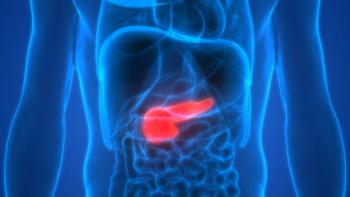
An analysis of data from DiRECT suggests diabetes remission was linked to restoration of pancreas size and function.
An analysis of the Look AHEAD Study suggests improved blood sugar control was linked to improved executive function and neurologic health among patients with type 2 diabetes.

A cardiologist from Brigham and Women's Hospital discusses prescribing SGLT2 inhibitors to patients already receiving or with an indication for diuretics or RAAS inhibitors.

The Thermocool Smarttouch SF Catheter received approval for use with the CARTO® 3 System, according to a statement from the Johnson & Johnson Medical Companies.

A cardiologist from Brigham and Women's Hospital discusses prescribing SGLT2 inhibitors to patients with an EGFR approaching or below 30.

Muthiah Vaduganathan, MD, MPH, of Brigham and Women's discusses the barriers to preventing optimal prescribing practices for SGLT2 inhibitor and GLP-1 receptor agonist therapies.
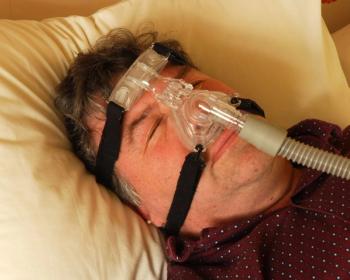
A trial of patients with prediabetes and OSA details the cardiovascular benefit of optimized CPAP treatment.

An analysis of the REGARDS study suggests patients with greater perceived stress levels were at an increased risk of incident HFpEF.

Women with breast cancer who have the most arterial calcium accumulation are nearly 4 times more likely to develop cardiovascular disease.

An RCT of patients with prediabetes and OSA details the cardiovascular benefit of optimized CPAP treatment in this patient population.

An analysis of nationally representative data suggests 35.6% of diabetic patients reported not receiving a yearly influenza vaccination.

An analysis of data from a major women’s health study is detailing associations between adverse pregnancy outcomes and risk of atherosclerotic cardiovascular disease in postmenopausal women.

A NAMS 2020 study suggests number of menopause symptoms could help predict increased risk of cardiovascular disease in older women.

Results of a study of more than 330 patients suggest use of sitagliptin could improve outcomes in patients with diabetes and COVID-19.

Study suggests generic levothyroxine achieved similar rates of patients with thyrotropin levels in the ideal range as brand name levothyroxine.