
A new review is shedding light on the impact of becoming wealthy on a person's overall health.
Patrick Campbell is the editorial director of HCPLive. Patrick has spent years spearheading coverage surrounding cardiometabolic health and rheumatic disease for MJH Life Sciences. Before joining MJH Life Sciences in 2019, he spent time as a beat reporter and/or multimedia specialist with the Pocono Record, Star News Group, and NJ Advance Media. He is the executive producer for multiple HCPLive podcasts, including Diabetes Dialogue, Don't Miss a Beat, Kidney Compass, Medical Ethics Unpacked, The Medical Sisterhood, and Skin of Color Savvy.
Follow him on Twitter @RealPatCampbell or reach him via email at PCampbell@mjhlifesciences.com.
A new review is shedding light on the impact of becoming wealthy on a person's overall health.
Discussing how the ACC has responded to the ongoing outbreak and the potential lasting impact of COVID-19 on the College.
While stay-at-home orders have slowed the spread of COVID-19, Thomas Maddox, MD, and the ACC are concerned it may be having a dangerous secondary impact.
Discussing how COVID-19 impacts the cardiovascular health of infected patients with the Chair of the ACC's Science and Quality Committee.
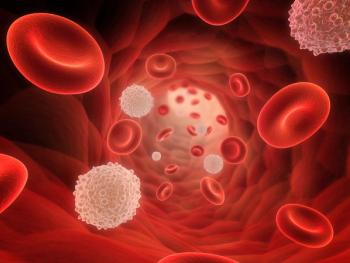
New research from the RED VELVT trial is shedding further light on the discussion surrounding off-label use of DOACs for left ventricular thrombi.
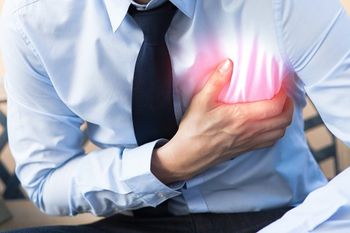
New research from investigators in Poland suggests losses by a local sports team were associated with a 27% increase in acute coronary syndrome admissions.

While the determination that consumption of coffee is beneficial or harmful depends on the study, new research is diving further into the debate and into how brewing method might play a role in coffee’s impact on cardiovascular disease and mortality.
New research from a hospital in Wuhan has found no difference in hypertension patients whether or not they were taking ACEi/ARBs on admission.

New research from an NIH-funded study suggest 0.004 mg bevacizumab could be an effective treatment for type 1 retinopathy of prematurity.

Analysis of more than 500k Norwegians has found filtered coffee might reduce risk of death and cardiovascular disease, while unfiltered coffee increased risk in older men.
Discussing recent data from GALACTIC-HF with John Teerlink, MD, Executive Committee Chair for both GALACTIC-HF and COSMIC-HF.
New research from Weill Cornell Medicine is revealing more about the impact of social determinants on 90-day mortality following heart failure hospitalization.

New analysis of nationwide mortality statistics from the CDC is shedding light on an alarming trend among women in rural areas across the US.
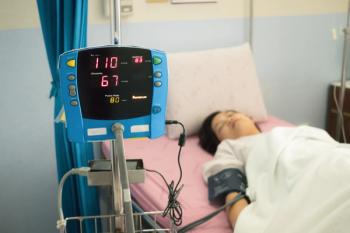
Despite advances in recent decades in the battle against cardiovascular disease, new research suggests deaths from premature coronary artery disease (CAD) among rural women have been on the rise since 2009.
Discussing the impact of COVID-19 on clinical trials that are ongoing or in development with John Teerlink, MD, Executive Committee Chair of GALACTIC-HF.
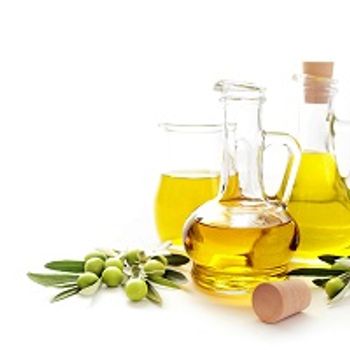
An analysis of 60,000-plus patients over 2 decades suggests consumption of olive oil could help reduce rate of CVD.

While the apparent cardiovascular benefits of olive oil have been proven in studies examining European populations, new research from a team of Harvard physicians is shedding light on impact in US patients.
A discussion on how COVID-19 has changed the role of cardiologists and the use of telehealth in clinical practice.

New research suggests the presence of a maternal hypertensive disorder predicts increased risk of childhood mental disorder, regardless of mental disorder status of the parents.
Discussion the debate around use of ACE inhibitors and ARBS as well as other common questions the ESC has been fielding during the ongoing outbreak.

The surgical resource document contains guidance on topics ranging from testing policies to ensuring the delivery of high-quality care.

The new document highlights the need for planning and resource allocation during the ongoing outbreak.

New research from a feasibility trial suggests new technology could help patients achieve BP control at a similar rate as regular visits.
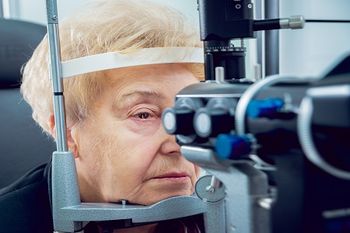
An analysis from the Women's Health Initiative has uncovered a potential link between visual impairment and risk of incident dementia.
The Penn Medicine trial is currently enrolling and will evaluate effects across a multitude of outcomes.
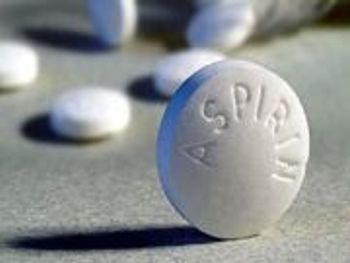
In the largest analysis of its kind, a team of investigators from Italy are shedding new light on the impact of aspirin use and risk of cancers of the digestive tract.
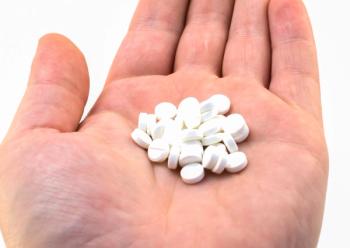
Aspirin, the popular and well-established therapy for cardiovascular disease may have a new role in treating cancers of the digestive tract.

In an effort to settle the debate surrounding the use of ACE inhibitors (ACEI) and ARBs during the ongoing coronavirus disease 2019 (COVID-19) outbreak, investigators from Perelman School of Medicine at the University of Pennsylvania, recently launched a new clinical trial. The REPLACE COVID trial plans to recruit 152 hospitalized patients already taking medications from the classes, with the goal of determining whether discontinuing use affects the severity of disease symptoms.
In an effort to settle the debate surrounding the use of ACE inhibitors (ACEI) and ARBs during the ongoing coronavirus disease 2019 (COVID-19) outbreak, investigators from Perelman School of Medicine at the University of Pennsylvania, recently launched a new clinical trial. The REPLACE COVID trial plans to recruit 152 hospitalized patients already taking medications from the classes, with the goal of determining whether discontinuing use affects the severity of disease symptoms.

New research is shedding light on the long-term outcomes of percutaneous coronary intervention in patients with stable ischemic heart disease.