



Dermatology
Latest News
Advertisement
Latest Videos



CME Content























































Advertisement
More News

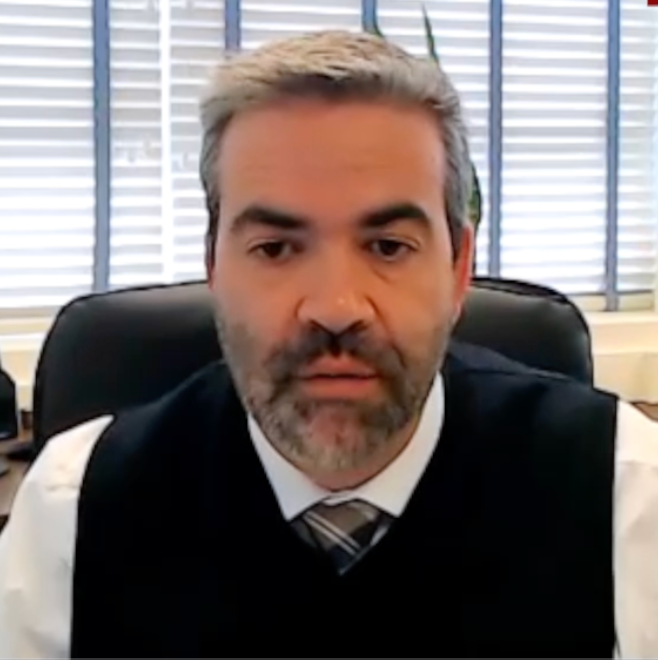
An interview segment with Lim in which he describes some key takeaways from his conference presentation on sunscreen, photoprotection, and phototherapy.
Little head-to-head data exists between JAK inhibitors and biologics, but common metrics of treatment success can help physicians navigate newer agents.
In his conference presentation ‘Phototherapy and Photoprotection,’ Lim describes some key takeaways and research on UV filter and photoprotection health effects.
The UMass Chan chair of dermatology recaps a historic year of development for the chronic disease, including the progression of even newer treatment options.
The Mount Sinai Dermatology chair reviews headlines from the 2022 meeting before sharing perspective on developing drugs and topics.
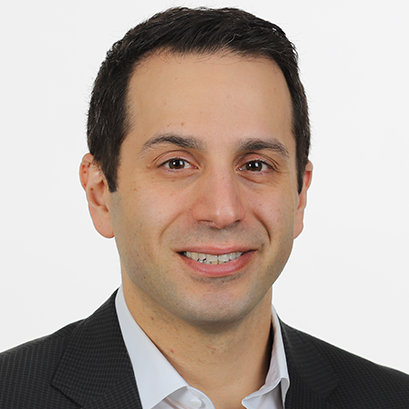
In this interview segment, Damsky spoke more about his conference presentation on JAK inhibitors, describing his response to safety concerns and other information.
Damsky discussed his conference presentation on the application of JAK inhibitors on dermatologic conditions such as granuloma annulare and sarcoidosis.

Beyond the obvious benefits, the practice of remote and in-clinic photography is altering treatment capabilities.
The St. Jude oncologist discusses the 30-year development of pediatric melanoma interpretation.

New research was conducted into treating Stevens-Johnson syndrome/toxic epidermal necrolysis patients with plasmapheresis before intravenous immunoglobulin therapy.

A new study indicated that body surface area predicted erythema-type chronic graft-vs-host disease survival more accurately than NIH Skin Scores.

Drs Raj Chovatiya, George Han, and Vivian Shi review the current challenges and opportunities surrounding the utilization and availability of biologic therapies in atopic dermatitis.
Expert dermatologists highlight the burden of atopic dermatitis in young children and examine the clinical data for dupilumab, a biologic treatment for this age group.
The expert panel discusses the heterogeneity of atopic dermatitis manifestation and therapy decisions for individual patients.
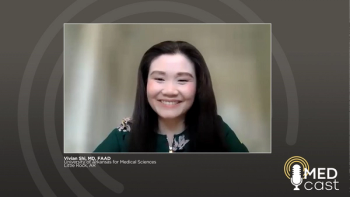
Dr Vivian Shi provides an overview of treatment options for atopic dermatitis patients in different age groups.

New data demonstrated that the combined use of prednisone and methotrexate saw positive results in hair regrowth for patients with alopecia totalis or alopecia universalis.

In a research letter, patient perspectives were explored regarding access to dermatology clinic notes, with more than half reporting improved understanding due to notes.

Novan announced on Tuesday that the FDA accepted the New Drug Application (NDA) for Berdazimer Gel, a topical antiviral molluscum contagiosum treatment, for review.

At the AAAAI 2023 Annual Meeting, Dr. Debajyoti Ghosh explains the importance of understanding the effect of phthalates, specifically di-2-ethylhexyl phthalate (DEHP).
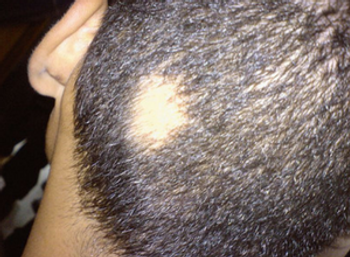
New findings have indicated that alopecia areata, alopecia totalis, and alopecia universalis, may disproportionately affect Asian Americans and other people of color.

Data shown at the AAAAI annual meeting showed that chronic spontaneous urticaria activity and DLQI rankings were higher following dupilumab treatment.

Verrica Pharmaceutical's drug-device combination will be decided upon as potentially the first molluscum drug in July.
In data presented at the AAAAI annual conference, 5 common contact dermatitis-causing allergens were identified, emphasizing the importance of patch testing.
This interview with Nelson featured a discussion of topics covered in her presentation for AAAAI, including differentiating allergic and non-allergic skin conditions.

In an interview segment with Kirby, she described her views on the need for future research into povorcitinib for hidradenitis suppurativa patients, as well as her outlook on treatment.
Advertisement
Advertisement
Trending on HCPLive
1
RELIEVE-AD-PEDs: Dupilumab Sustains Adolescent Atopic Dermatitis Control at 1 Year
2
Targeting the Disease Mechanism in PFIC, With Hisamitsu Hayashi, PhD
3
Top Reason for Leaving HAE Attacks Untreated, Survey Finds
4
3 Hematology Headlines You Missed in September 2026
5