




Dermatology
Latest News
Advertisement
Latest Videos

CME Content






















































Advertisement
More News
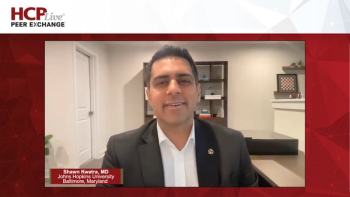
Experts in dermatology discuss ideal candidates for dupilumab.
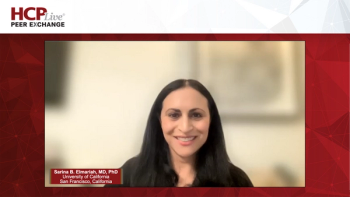
Drs Raj Chovatiya, Shawn Kwatra, and Sarina B. Elmariah review PRIME and PRIME 2 phase 3 studies of dupilumab for treatment of PN.
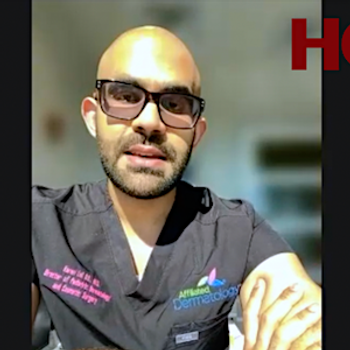
An interview with Karan Lal on his experiences treating patients facing the rare condition known as epidermolysis bullosa.
An FDA announcement on this topical gene therapy for DEB pushes back the PDUFA date to May of this year, accompanying a regulatory update.
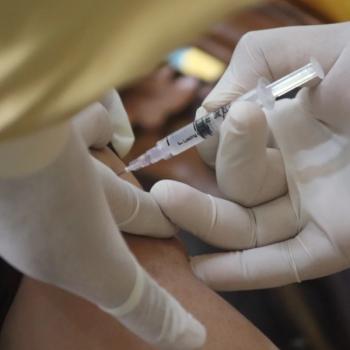
A letter to the editor from China explored the various types of reactions to two types of vaccines for COVID-19.

A set of highlights from some of the more impactful research and data covered this past week in the dermatology field, covering breakthroughs in research and advanced treatment options.
Raj Chovatiya, MD, PhD; Shawn Kwatra, MD; and Sarina B. Elmariah, MD, PhD, discuss a newly approved drug, dupilumab, for the treatment of PN.
Raj Chovatiya, MD, PhD, reviews the limitations of topical treatments when managing PN.

New research identified gene-corrected autologous keratinocyte grafts as useful for treating recessive DEB patients.

New research into students’ understanding of the dermatology field suggests greater knowledge and exposure may instill greater appreciation for it among medical students.

Recent trial data showed positive results for B-VEC topical gene therapy treatment for dystrophic epidermolysis bullosa patients.
From a topical gene therapy to a debated heart failure option, a litany of unique agents are anticipated for FDA decision in the new year.
Sarina B. Elmariah, MD, PhD, talks about less commonly used treatments for patients with prurigo nodularis (PN).
Raj Chovatiya, MD, PhD; Shawn Kwatra, MD; and Sarina B. Elmariah, MD, PhD; provide an overview of therapies currently available for treating PN.
The approval for the non-surgical alternative was supported by phase 3 data showing ≥95% incidence eschar removal compared to a gel vehicle.
Allergic contact dermatitis burden many people, but it is important for patients to know why and how they may limit their risk.
A segment of an interview with Peter Young in which he describes his original interest in the subject of skincare product allergens.
Raj Chovatiya, MD, PhD; Shawn Kwatra, MD; and Sarina B. Elmariah, MD, PhD; share guideline resources that physicians turn to when treating PN.
Experts in dermatology discuss treatment goals for PN and how they can differ based on severity of itching and nodules.
Lawrence Eichenfield, MD, reviews major drug approvals and advancement of screening and prevention strategies for the youngest patients with atopic dermatitis.

Dupilumab use surpassed all conventional systemic drug use since its introduction in 2017 until the end of the study in 2020-21.

Research on patients with generalized pustular psoriasis or erythrodermic psoriasis showed positive results for risankizumab.

A recent study highlighted psoriasis patients' lack of awareness of a link between psoriasis and obesity, as well as these same patients' hopes for future treatment programs targeting weight loss.
Raj Chovatiya, MD, PhD; Shawn Kwatra, MD; and Sarina B. Elmariah, MD, PhD, share the importance of having multiple health care providers across the disciplines when diagnosing and treating prurigo nodularis (PN).
Experts in dermatology examine a patient’s road to diagnosis of prurigo nodularis (PN), focusing on the symptoms that bring them to the initial specialist visit.
Advertisement
Advertisement
Trending on HCPLive
1
RELIEVE-AD-PEDs: Dupilumab Sustains Adolescent Atopic Dermatitis Control at 1 Year
2
Targeting the Disease Mechanism in PFIC, With Hisamitsu Hayashi, PhD
3
Top Reason for Leaving HAE Attacks Untreated, Survey Finds
4
3 Hematology Headlines You Missed in September 2026
5