


Dermatology
Latest News
Advertisement
Latest Videos







CME Content























































Advertisement
More News

Patients with dystrophic epidermolysis bullosa face near-constant pain and discomfort. While there are several measures clinicians have to help them, a curative treatment remains elusive.

During his latest interview, Lal further explored the topic of recessive dystrophic epidermolysis bullosa and his experiences helping patients with the rare condition.
A silent disease characterized as a chronic cutaneous neuropathy, notalgia paresthetica has an unmet need yet to be fully understood and, dermatologists argue, an FDA-approved treatment could help improve understanding of the etiology and prevalence of this disease.
In his recent interview, Lal described the condition of dystrophic epidermolysis bullosa in detail, going into the different forms it can take as well as his experiences treating the condition.

The current pox virus outbreak has become closely synonymous with fewer lesions than past mpox—but dermatology guidance is needed all the same.

New data on topical lovastatin cream 2% demonstrated similar efficacy results to the combination of lovastatin and cholesterol in treating the skin disorder DSAP.

New data highlighted racial and ethnic differences between patients with Merkel cell carcinoma, indicating that rates for survival were roughly similar but other distinctions remained.

Siperstein highlighted some more major takeaways from her conference presentation, including facts about how to determine which patients are good candidates for microneedling.
In this interview, Siperstein explained some of the biggest takeaways from her conference presentation on advances in microneedling techniques, including radiofrequency specifically.
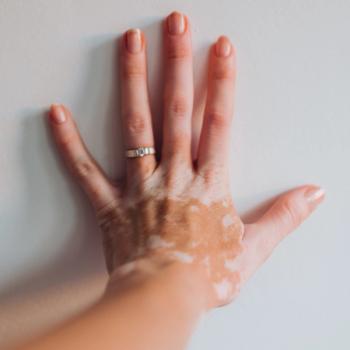
New phase 2b findings support the oral JAK1 inhibitor's capability to improve repigmentation versus placebo.
Symptoms including vestibular rashes and COVID toes have become less synonymous with SARS-CoV-2 infection. Why is that?

Speaking about one of his conference presentations, Chovatiya highlights the biggest takeaways regarding JAK inhibitors for alopecia areata, vitiligo, eczema, psoriasis, and more.

As the pandemic passes its third year, one dermatologist foresees their field's own pursuit of specialty-specific vaccination guidelines.

New phase 2b data show the oral PDE4 inhibitor could reduce psoriasis area severity by more than 60% in 16 weeks.

New late-breaking data showed positive results for bimekizumab treatment of hidradenitis suppurativa, with higher response rates and a strong safety profile.

In research drawn from his conference presentation, Lim discussed the unique photoprotection needs of skin of color as well as some of the challenges faced by patients in this population.

A small molecule IL-17A inhibitor, izokibep has additionally shown efficacy in treating psoriatic arthritis—and will now be reviewed in a phase 3 HS trial.
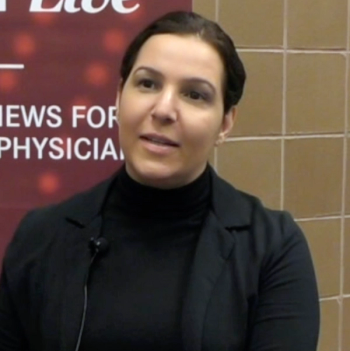
Pediatric dermatologist Mercedes Gonzalez, MD, discusses the new phase 3 B-SIMPLE data supporting berdazimer gel as the first potential molluscum treatment.

Kwatra spoke about his team’s research into nemolizumab for prurigo nodularis in the OLYMPIA 2 trial, including the data and its implications for the future.

New phase 3 data from the BRAVE-AA trial program showed some patients who had little response to initial baricitinib achieved hair growth in year 2 of treatment.
Late-breaking phase 3 data on nemolizumab monotherapy indicates substantial improvement in key primary and secondary endpoints for prurigo nodularis patients.

The Icahn investigator reviews new data suggesting ethnicity-based differences in molecular phenotype of atopic dermatitis, which may better inform treatment strategies for different populations.

New phase 3 DELTA 1 trial data show the topical pan-JAK inhibitor doubled the rate of treatment success versus vehicle cream.

New late-breaking data showed positive results from the phase 2 trial on a novel septa-specific monoclonal antibody for HS patients.

New long-term extension data from the pivotal TRuE-V program show treatment continuation, as well as post-relapse re-initiation, is efficacious and safe in patients.
Advertisement
Advertisement
Trending on HCPLive
1
RELIEVE-AD-PEDs: Dupilumab Sustains Adolescent Atopic Dermatitis Control at 1 Year
2
Targeting the Disease Mechanism in PFIC, With Hisamitsu Hayashi, PhD
3
Top Reason for Leaving HAE Attacks Untreated, Survey Finds
4
3 Hematology Headlines You Missed in September 2026
5