Catch up on key FDA approvals, major trial updates, and critical clinician insights from the last 3 months.
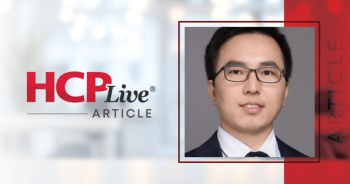
Melinda Gooderham, MD, MSc, discusses new JAMA data on upadacitinib's efficacy for severe alopecia areata in adults and adolescents.
Melinda Gooderham, MD, MSc, medical director of the SKiN Centre for Dermatology in Peterborough, Ontario, discussed
Alopecia areata remains a chronic, immune-mediated condition with limited systemic treatment options, and ritlecitinib is currently the only therapy approved for adolescent patients, leaving a clear need for additional effective treatments across age groups. Gooderham said this unmet need helped shape the rationale behind evaluating upadacitinib in a broad population that included both adults and adolescents with severe disease.
UP-AA1 and UP-AA2 were 2 replicate, global, randomized, double-blinded, placebo-controlled phase 3 trials designed to confirm efficacy findings across independent patient populations. The trials enrolled adolescents and adults ages 12 to younger than 64 years with severe alopecia areata, defined as a Severity of Alopecia Tool (SALT) score of 50 or greater, reflecting at least 50% scalp hair loss. Patients were randomized in a 2:2:1 ratio to receive 15 mg upadacitinib, 30 mg upadacitinib, or placebo once daily.
The primary 24-week double-blinded treatment period, referred to as period A, was followed by a 28-week blinded extension period. The primary end point was achievement of a SALT score of 20 or less, corresponding to at least 80% scalp hair coverage, at Week 24. Secondary end points included eyebrow and eyelash outcome measures, earlier SALT score improvements at weeks 4, 8, and 12, achievement of a SALT score of 10 or less, complete hair regrowth (SALT score of 0), and patient-reported quality of life and global impression of change measures.
Gooderham explained that patients had a mean baseline SALT score of 84, corresponding to roughly 16% scalp hair coverage. At week 24, the primary end point of SALT score 20 or less was achieved by 45% of patients receiving the 15-mg dose and 55% of patients receiving the 30-mg dose, compared with just 1% to 3% of patients receiving placebo.
She noted that a SALT score of 10 or less, corresponding to 90% scalp coverage, was achieved by approximately one-third of patients on the 15-mg dose and half of patients on the 30-mg dose. Gooderham said this level of regrowth carries meaningful clinical significance, since patients reaching 80% to 90% scalp coverage can typically style their hair, reduce reliance on wigs or head coverings, and no longer have hair loss as the most visible feature to others.
Editor’s note: Gooderham’s has previously reported non-financial support from Takeda in addition to personal fees from AbbVie, Amgen, Arcutis, Bristol Myers Squibb, Boehringer Ingelheim, Eli Lilly, Galderma, Incyte, Janssen, Leo Pharma, Meiji, Dermavant, Moonlake, Nektar, Nimbus, Novartis, Pfizer, Regeneron, Sanofi, Sun Pharma, Tarsus, Takeda, UCB, Union, Ventyx, and Apogee.
References