



Dermatology
Latest News
Advertisement
Latest Videos






CME Content























































Advertisement
More News

Analysis of phase 3 trial data show the JAK inhibitor is generally safe among patients with severe forms of the chronic hair loss disease.
In the span of a decade, agents like topical ivermectin, minocycline and benzoyl peroxide has provided more opportunities to achieve clear skin for rosacea patients.
The trial investigator reviews disparities in patient needs and treatment outcomes based on their skin complexion, 1 year after ruxolitinib's FDA approval.

Often lost in the fray of new drug development is the need to reinforce improved behavioral health, explains a longtime dermatology nurse practitioner.

On the basis of discovery into what drives adult-onset eczema, the novel drug may provide a unique benefit for impacted patients.

A post hoc analysis shows the investigative drug significantly improved atopic dermatitis symptoms versus placebo as soon as the first week into a phase 2 trial.

It's been a whirlwind few years for dermatology. The nurse practitioner discusses modern care teams, comorbid psoriatic disease, and expanding patient inclusion in clinical trials.
Yan discusses how acne care strategies have been bolstered—and complicated—by pharmacotherapy and telemedicine developments.
With multiple drug classes working toward FDA indication, a dermatologists explains his strategy for managing hidradenitis suppurativa.

The first trial observing the topical drug in children held promise for an extended indication.

The CHOP pediatric dermatology director reviews recent breakthroughs in understanding complex pathophysiology of skin diseases.
The investigator explains why he believes the PDE4 inhibitor is "as close to a perfect drug as you can hope for in seborrheic dermatitis."
In this episode of MEDcast, expert dermatologists discuss exciting advancements in systemic therapies such as JAK inhibitors, and the latest breakthroughs in topical treatments for plaque psoriasis

In this episode of MEDcast, expert dermatologists discuss exciting advancements in systemic therapies such as JAK inhibitors, and the latest breakthroughs in topical treatments for plaque psoriasis.

This data indicates that public health officials may need to implement measures to both help prevent and detect domestic violence in order to reduce the associated effects.

With a pair of novel drugs seeking FDA approval for the common skin infection, the agency stresses avoiding misleading products currently on the market.

This cross-sectional study showed an association, although lower absolute prevalence of Crohn’s disease for pediatric HS patients is reassuring for clinicians and patients alike.
An investigator argues for greater prescriber understanding and communication of real-world efficacy and safety outcomes for the latest oral JAK inhibitor approved for atopic dermatitis.

In this Q&A interview, Dr. Glick delved into the topics covered in his conference presentation on treating adults with plaque psoriasis and psoriatic arthritis.
Oral JAK-1 inhibitors upadacitinib and povorcitinib are showing significant benefit for patients with HS, and may soon be up for FDA decision.
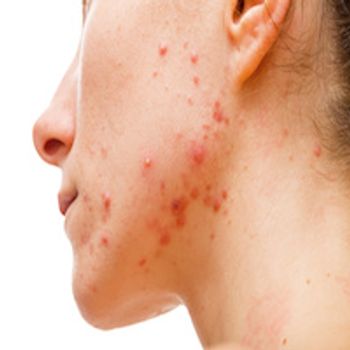
This data indicates that to prevent aggravation of acne and the eventual scar formation, it may be necessary to treat acne from an early stage.

In this Q&A interview, Del Rosso discussed his presentation on eczema therapies, the updates he made to his conference presentations this year, as well as his outlook on future research.

Cases have increased annually; a clinician shares his strategy for remaining aggressive and diligent in prevention and management.

Secukinumab and bimekizumab may reach the market soon for the treatment of HS. What will it provide patients?

The cross-specialty collaboration between dermatologists and these fields has been a daily occurrence, as inflammation-targeting drugs and comorbid patients have brought team closer together.
Advertisement
Advertisement
Trending on HCPLive
1
RELIEVE-AD-PEDs: Dupilumab Sustains Adolescent Atopic Dermatitis Control at 1 Year
2
3 Hematology Headlines You Missed in September 2026
3
Targeting the Disease Mechanism in PFIC, With Hisamitsu Hayashi, PhD
4
Top Reason for Leaving HAE Attacks Untreated, Survey Finds
5