



Dermatology
Latest News


Daily Rupatadine Shown to Improve Life Quality of Individuals with Chronic Spontaneous Urticaria
By Tim Smith

Mohs Micrographic Surgery May Promote Greater Survival Rates for Merkel Cell Carcinoma Patients
By Tim Smith
Advertisement
Latest Videos








CME Content























































Advertisement
More News

In this Q&A interview with Dr. Rieder, he describes the biggest takeaways from his panel discussion on the mental health needs of dermatology patients.

This segment of Dr. Eichenfield’s interview featured a discussion about Eichenfield’s response to the FDA’s approval of cantharadin 0.7%, or VP-102, for molluscum contagiosum.

In his latest recorded interview, Dr. Eichenfield described the use of VP-102, or cantharidin 0.7%, for molluscum contagiosum.

This new data highlights the lack of reliability with regard to medical information disseminated on social media platforms, and the frequency at which such information is observed.

This new data from China showed that both the duration of mask-wearing and greater use of facial cleansing may result in skin deterioration, though moisturizing products were found to have more positive effects.
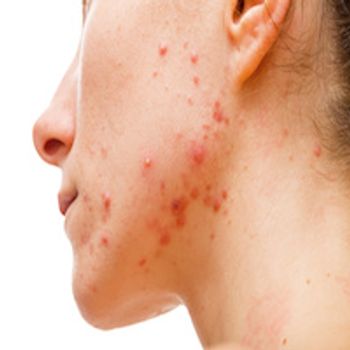
This analysis demonstrated the efficacy of topical azelaic acid, though further randomized control trial evidence may be needed for an evaluation of the treatment on skin aging.
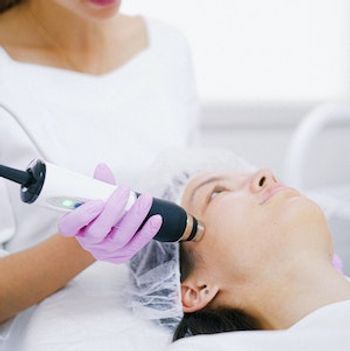
The results of this analysis indicated that while improvement was seen in both groups, slight dermoscopy score improvement was observed in those given a combination laser-minoxidil treatment compared to only minoxidil.

This new data indicates that dupilumab in this patient population had favorable efficacy and safety, though some unique concerns were risk of infection and eosinophilia.
Gina Mangin, MPAS, PA-C, shares take-home pearls with fellow healthcare providers, highlighting the importance of listening to the patient.
An expert in dermatological conditions discusses new treatments in the pipeline for HS, commenting on her experience with biologic treatment.
Gina Mangin, MPAS, PA-C, reviews current treatment options for patients with HS, highlighting adalimumab as well as non-FDA approved therapies.

In this recent analysis of hyperhidrosis burden on patients, prevalence of the condition and its impacts on patients demonstrate the value of exploring knowledge gaps for this disease.
An expert physician assistant in dermatology provides an overview of how HS is diagnosed, and how the diagnosis is often delayed.
Gina Mangin, MPAS, PA-C, reviews the quality of life for patients living with hidradenitis suppurativa (HS), areas of the body commonly affected by HS, as well as the most common symptoms of the disease.
An expert in dermatological conditions discusses office-based procedures that can benefit patients with HS and shares clinical pearls for the management of the disorder.
Andrew Baker PA-C, MBA, reviews unmet needs for the clinical management of moderate-to-severe HS and shares insight on novel and emerging therapies in the pipeline.
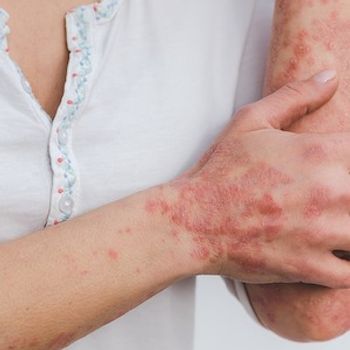
This new phase 4 data provides some valuable insights for healthcare professionals and those seeking to compare therapy options for psoriasis.

This data on a large racial and ethnic minority cohort indicated that low melanoma incidence and detection rates and more aggressive nature of cancer shows the need for greater attention.
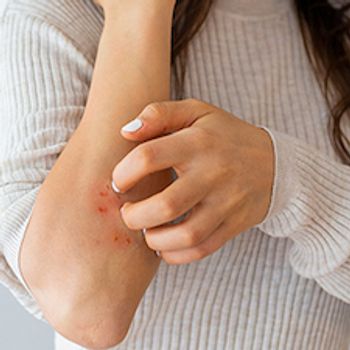
This new research highlights the value of habit replacement intervention, supported by the fact that apparent low usefulness/efficacy of other methods for patients can often manifest in poorer retention.
A physician assistant expert in dermatological conditions comments on the use of biological therapy to manage moderate-to-severe HS in adults and adolescents and the long-term effectiveness of these agents.
Andrew Baker PA-C, MBA, provides an overview of hidradenitis suppurativa (HS), including the pathogenesis, comorbidities, and diagnosis of this inflammatory disorder.
An expert in dermatology reviews the phase 3 SUNSHINE and SUNRISE trials evaluating the use of secukinumab given in 2-week intervals in patients with HS and shares clinical pearls for managing the condition.
An expert in dermatology highlights emerging biologic therapy for the management of HS.
Renata Block, MMS, PA-C, comments on the use of biologic agents as part of immunomodulatory therapy for HS treatment.

In this interview with Dr. Baldwin, she spoke on her team’s recent research and its application to rosacea and other dermatologic conditions.
Advertisement
Advertisement
Trending on HCPLive
1
RELIEVE-AD-PEDs: Dupilumab Sustains Adolescent Atopic Dermatitis Control at 1 Year
2
3 Hematology Headlines You Missed in September 2026
3
Targeting the Disease Mechanism in PFIC, With Hisamitsu Hayashi, PhD
4
Top Reason for Leaving HAE Attacks Untreated, Survey Finds
5