


Dermatology
Latest News


Neal Bhatia, MD: Timing, Adherence, Unmet Needs Among Patients with Actinic Keratosis
By Tim Smith
Neal Bhatia, MD: Spotlighting Misconceptions, Approaches to Managing Actinic Keratosis
By Tim Smith
Advertisement
Latest Videos

CME Content























































Advertisement
More News

The updated labeling for dupilumab’s use resulted from the first phase 3 trial assessing a biologic within this subgroup of eczema patients.

In this interview, Del Rosso spoke on takeaways from his conference talk ‘What's New in the Medicine Chest? Acne, Rosacea, Actinic Keratoses, Psoriasis, Urticaria and Other Common Dermatoses.’

During this segment of his interview, Eingun James Song, MD, spoke about upcoming treatments for psoriasis and personalizing care for patients.

These data, presented at the Winter Clinical conference, showed that roflumilast cream 0.15% led to positive results for patients with eczema.

In this subgroup analysis data shown at Winter Clinical, findings indicated IGA success with topical roflumilast foam among seborrheic dermatitis patients.
In this discussion with E. James Song, MD, several unique clinical pearls for those in dermatology were described and had been drawn from Song’s Winter Clinical presentation.

The factors highlighted in this analysis may help dermatologists to better understand the concerns, misconceptions, and perceived risks reported by patients with HS.

The THESEUS study was conducted to look at current HS management and the influences on treatment decisions, with the goal of informing future randomized controlled trials.
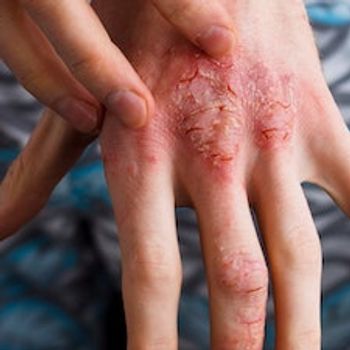
These new, positive data from the ADORING Phase 3 development program showed no new safety signals with long-term use as well as a significant reduction in disease burden.

These data indicate a significant ability of this treatment to address patients’ psoriatic symptoms in a comprehensive manner, despite varying characteristics and demographics.

In this analysis, the investigators note that the clinical association may be helpful to be taken into account as clinicians treat patients with HS.
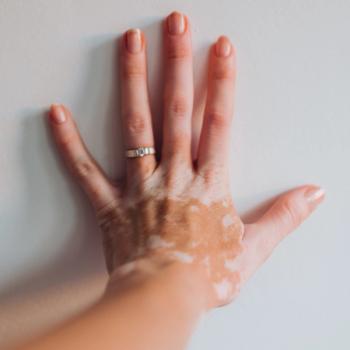
These data indicate the necessity of further research to clarify any associations between COVID-19 infection, the virus’s associated vaccines, and progression of vitiligo.

These phase 2 data on hidradenitis suppurativa patients highlight new information on the use of lutikizumab as a treatment alternative.
The FDA decision on berdazimer gel, 10.3%, represents the second approved treatment for the viral-borne skin disease.
The December 2023 month in review for dermatology covers major stories regarding a new FDA approval, several new treatment findings, and news on attitudes toward those with acne.

Twice-daily PDE4-inhibition using 10–40 mg of orismilast showed promise though further studies may be necessary to validate these findings.

These data expand upon the limited literature available around the world regarding this inflammatory skin disorder.

This literature review highlights several of the processes and factors related to the stratum corneum and sensitive, dry, or flaky skin in adults.

This research letter highlights opportunities for researchers to develop more innovative treatments for skin disease, especially for conditions that have unmet therapeutic needs.
The FDA’s approval of Chiesi Global Rare Diseases’ topical gel marks the first approval for the variant of EB known as JEB.

In this interview, Neal Bhatia, MD, reacts to the FDA’s approval of roflumilast foam as well as the approval’s background and implications for patients with the inflammatory skin condition.
The approval of the once-daily, steroid free foam marks the first approval of a drug by the FDA for the skin condition with a new mechanism of action in around 2 decades.
This web-based research is the first conducted to assess the burden of disease and treatment satisfaction among those in Japan with PN.

Given the lack of widespread awareness of the magnitude and prevalence of the public’s stigma toward people with acne, this research sought to expand upon this body of research.
2023 was a year of both advancements and setbacks for various treatments, and this discussion covers the most significant moves by the FDA this year.
Advertisement
Advertisement
Trending on HCPLive
1
RELIEVE-AD-PEDs: Dupilumab Sustains Adolescent Atopic Dermatitis Control at 1 Year
2
3 Hematology Headlines You Missed in September 2026
3
Top Reason for Leaving HAE Attacks Untreated, Survey Finds
4
Targeting the Disease Mechanism in PFIC, With Hisamitsu Hayashi, PhD
5