





Dermatology
Latest News
Advertisement
Latest Videos





CME Content























































Advertisement
More News

These data suggest the potential for use of patient-reported outcomes in terms of risk stratification and selection of treatment for patients in both clinical practice and other studies.
In the February edition of Dermatology Month in Review, new acne guidelines released by AAD, an FDA decision on nemolizumab, and an interview on potentially the first oral IL-23 inhibitor for psoriasis were among the major stories.

In honor of Rare Disease Day, this exploration of prurigo nodularis highlights the skin disease’s psychosocial impact on patients around the world living with the condition.

Advanced practice providers in dermatology discuss exciting developments in the treatment landscape of plaque psoriasis. Listen to their insights into the often-challenging journey patients go on. The arrival of novel oral systemic treatment options offers opportunities to alleviate the burden of this chronic disease.

This analysis emphasizes the necessity of prevention of melanoma as well as the public health and economic consequences of patients’ delaying of skin cancer diagnoses.
Join us on March 04 on our LinkedIn page for a pre-meeting chat ahead of the American Academy of Dermatology's 2024 annual meeting!

Rilzabrutinib, an oral BTK inhibitor, demonstrates efficacy in reducing itch and disease activity among patients with chronic spontaneous urticaria in phase 2 dose-ranging trial at AAAAI 2024.

Additional validation of such improvement thresholds using unblinded trial data may be necessary to allow for more evidence of their utility in clinical research and practice.

Additional research on this form of moisturizer and other ingredients for acne with larger sample sizes may be needed to verify efficacy for acne vulgaris.

In addition to the newly-accepted BLA in the US, the European Medicines Agency also accepted the drug’s Marketing Authorization Application for both conditions.

These findings on reasons for attendance and other trends highlight the importance of mental health care among alopecia patients.

These new data highlight the efficacy of JNJ-77242113 as a potential oral therapy option for moderate-to-severe psoriasis patients.

The FDA set its target action date for October, with this sNDA being supported by two phase 1 safety studies on AK patients.
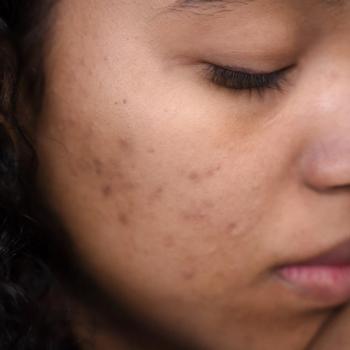
In new guidelines by the AAD, 18 new evidence-based recommendations and 5 practice statements were described for patients 9 years of age and older with acne.

This segment of Eichenfield’s interview features a discussion about the recent announcement of a J-Code for the molluscum contagiosum treatment cantharidin.

In this interview, Eichenfield discussed the recent pooled analysis from two phase 3 studies looking at once-daily, topical roflumilast for patients 6 and older with eczema.

This announcement is part of the overall evaluation period for the treatment, as the PDUFA target action date for pz-cel remains May 2024.
January’s Dermatology Month in Review features 2 major FDA decisions, positive results on a new assessment tool, an evaluation of climate change’s impact on eczema, and more.
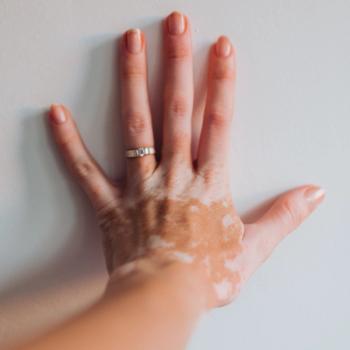
These data highlight the severe economic burden faced by patients with vitiligo compared to that of the general population, including mental health-related costs.

This analysis of current testing patterns in the US suggests a need for future studies to explore the rationale used to determine such testing decisions.

In an interview, Andrew Blauvelt, MD, MBA, provides further perspective on the approval of roflumilast topical foam, 0.3% (Zoryve) and full publication of phase 3 STRATUM data.

Vitiligo was significantly associated with an increased risk of bacteremia, cellulitis, and herpes zoster and was more common among those with female sex, Black compared to White race, Hispanic ethnicity, hepatitis C infection, and tobacco use.

These data represent a significant step toward finding a causal connection for drug-induced alopecia, though further controlled studies may be necessary to isolate certain variables.

These data were the results of the secondary analysis of the Ritux 3 study, as the treatment’s short-term efficacy and safety had been confirmed previously.

This study contributes to existing climate change data by exploring climatic hazards and their relationship with atopic dermatitis, in addition to highlighting research gaps and future predictions.
Advertisement
Advertisement
Trending on HCPLive
1
RELIEVE-AD-PEDs: Dupilumab Sustains Adolescent Atopic Dermatitis Control at 1 Year
2
3 Hematology Headlines You Missed in September 2026
3
Top Reason for Leaving HAE Attacks Untreated, Survey Finds
4
Targeting the Disease Mechanism in PFIC, With Hisamitsu Hayashi, PhD
5