


Dermatology
Latest News


Discussing Post-Hoc Data on Ruxolitinib for Nonsegmental Vitiligo, with David Rosmarin, MD
By Tim Smith
Advertisement
Latest Videos






CME Content























































Advertisement
More News

In this post-hoc analysis, investigators highlighted benefits of deucravacitinib among those with psoriasis compared to benefits of apremilast.

These data highlight the determinants and risk factors for admission to hospital among individuals with dermatological emergencies.

This decision by FDA officials resulted from the INTEGUMENT study findings which determined that once-daily roflumilast led to rapid eczema clearance and significant disease reductions.

These findings also highlighted the necessity of identifying the clinically relevant comorbidities of asthma and allergic rhinitis in a proactive manner.
Arcutis Biotherapeutics announced the update and indicated the FDA was working to finalize the action letter on July 09, 2024, which was 2 days after the assigned PDUFA date of July 07, 2024.
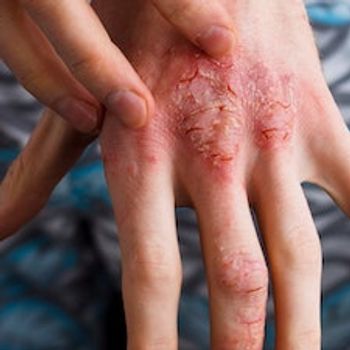
These findings confirm the ways in which patient responses in the head and neck areas contribute to modifications in life quality among those with eczema.
After a busy first half to 2024, a number of high-impact FDA decisions await the healthcare industry through December.

This retrospective study highlighted the results of Singaporean atopic dermatitis patients aged 18 years and below who had undergone phototherapy.

Raj Chovatiya, MD, PhD, MSCI, and Lawrence Eichenfield, MD, review a recent trial comparing upadacitinib to dupilumab for patients with atopic dermatitis.

This analysis from Spain assessed the short-term effectiveness and safety of abrocitinib within a real-world setting for those with moderate-to-severe eczema.

Our dermatology FDA recap for the first half of 2024 includes our top 5 approvals, 3 decisions to watch in the second half of 2024, and a podcast episode with James Del Rosso, DO

This analysis explores the burden level in pediatric and adolescent eczema patients within Japan, highlighting associated burden on caregivers/families and other factors.

These findings were referenced by skincare brand CeraVe, highlighting the need for skin health education as well as skin health barriers.
These data suggest differences in Medicaid-accepting pediatric dermatologist access based on such factors as geographic area and density of pediatric dermatologists per county.
This summary of major dermatology news covered in June highlights stories such as late-breaking data at RAD 2024, recent interviews, and recent FDA news.
Raj Chovatiya, MD, PhD, MSCI, and Lawrence Eichenfield, MD, discuss recent data assessing ruxolitinib cream for patients as young as 2 years old with atopic dermatitis.
Following this post-hoc analysis, additional research may be necessary to assess other safety implications of a dose increase of abrocitinib for atopic dermatitis patients prior to Week 12.
The announcement follows the release of the RhodoLED XL red light-emitting lamp, to be used in combination with aminolevulinic acid hydrochloride topical gel, 10% for actinic keratoses

These data highlight the efficacy of ritlecitinib for patients with alopecia areata and extensive hair loss at baseline.

These data demonstrate a unique dichotomy between 2 trends associated with gender gaps in the field of dermatology.

This analysis highlights the potential for abrocitinib as an alternative to biologics in the eczema treatment armamentarium.
These data highlight the patterns of treatment as well as prevalence of LPP within the US.

These data highlight the benefits of utilizing the WI-NRS as an instrument for supporting efficacy endpoints assessing pruritus intensity among prurigo nodularis patients.

These data improve existing definitions of the spectrum of cutaneous manifestations reported by patients with VEXAS.
These data highlighted which drug, in combination with topical corticosteroids, produced the best efficacy results for those with atopic dermatitis.
Advertisement
Advertisement
Trending on HCPLive
1
RELIEVE-AD-PEDs: Dupilumab Sustains Adolescent Atopic Dermatitis Control at 1 Year
2
Conservative Therapy in Fibrillary GN: A Four-Drug Kidney-Protective Approach
3
3 Hematology Headlines You Missed in September 2026
4
Top Reason for Leaving HAE Attacks Untreated, Survey Finds
5