


Dermatology
Latest News


Study Highlights Real-World Characteristics of Providers Treating Psoriasis in US
By Tim Smith

FDA Accepts Resubmitted sBLA for Dupilumab Treatment of Chronic Spontaneous Urticaria
By Tim Smith
Advertisement
Latest Videos









CME Content























































Advertisement
More News

The acceptance of the investigational gene therapy’s Biologics License Application was announced, with the treatment designed for recessive dystrophic epidermolysis bullosa.

This analysis highlighted links between depression, stigmatization, anxiety, and health- and disease-related variables among individuals with HS in Europe.

These results point to the value of awareness among physicians and patients of the risk of psoriasis linked to immunotherapy during cancer care.

MJH Life Sciences, parent company of HCPLive, has acquired the RAD Annual Meeting, a premier CME-certified conference advancing dermatology knowledge and research.

In this geospatial analysis, findings indicate that geographic regions with more tanning bed facilities tend to report higher melanoma rates.
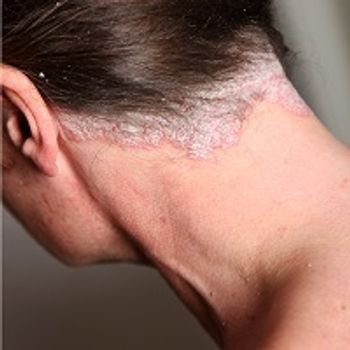
The oral therapy may address limitations including difficulty in application and adverse events with topical therapies.

According to Phase 3 LIBERTY-CUPID trial results, dupilumab significantly reduces itch and hive activity from baseline in chronic spontaneous urticaria.
In this Month in Review summary, some of the most notable advancements and developments in the field of dermatology were highlighted.
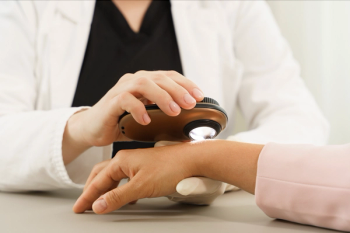
Clinical images help pathologists improve diagnostic confidence and agreement, leading to more accurate diagnoses of melanocytic skin lesions.

New PRO data from the INTEGUMENT-1 and –2 studies were presented at the ACAAI 2024 Meeting.
The approval by the FDA of minocycline hydrochloride modified release capsules, also known as DFD-29, will allow for treatment of inflammatory lesions and erythema among adults.

More patients with atopic dermatitis on stapokibart than on placebo achieved ≥ 75% improvement in Eczema Area and Severity Index over 52 weeks.

Findings suggest HS is associated with pregnancy complications and adverse outcomes for both mothers and offspring.
This conference review highlights several of the most notable stories and recent data covered by HCPLive at the Fall Clinical Dermatology Conference.
T-VASI and F-VASI are validated, responsive tools for assessing vitiligo severity and re-pigmentation, with meaningful change thresholds established.
These data suggest brodalumab’s safety profile is consistent with findings from long-term clinical trials, with no new occurrences of suicide and a low rate of fungal infection.

Many with moderate-to-severe atopic dermatitis do not reach treatment targets in 12 months, underscoring a need for proactive management strategies.
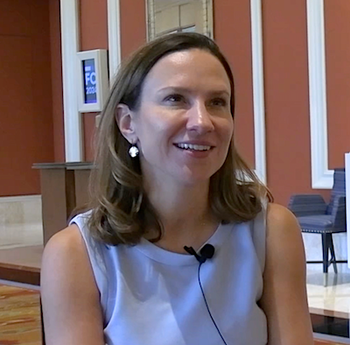
Murina highlighted takeaways from her seminar-in-depth regarding the evolving therapeutic landscape of HS.
The FDA originally issued a CRL requesting additional CMC data in April 2024.

This discussion with Murina covers several tips for dermatologists to implement, 1 of which touched on omega-3 supplementation for ocular rosacea.
In her Fall Clinical interview, Murina highlighted several key takeaways related to her talk titled ‘Managing Psoriasis with Oral Therapy: 2024 & Beyond.’

This interview from Fall Clinical covers 2 additional tips for clinical practice as well as unmet needs among patients.

In this interview at Fall Clinical Dermatology, Ferris and Bhatia highlighted several elements of skin cancer detection and management as well as unmet needs of patients.
This Fall Clinical Dermatology Conference interview with Song features a discussion regarding several useful clinical pearls for dermatologists.
Advertisement
Advertisement
Trending on HCPLive
1
RELIEVE-AD-PEDs: Dupilumab Sustains Adolescent Atopic Dermatitis Control at 1 Year
2
Conservative Therapy in Fibrillary GN: A Four-Drug Kidney-Protective Approach
3
Top Reason for Leaving HAE Attacks Untreated, Survey Finds
4
Targeting the Disease Mechanism in PFIC, With Hisamitsu Hayashi, PhD
5