




Dermatology
Latest News
Advertisement
Latest Videos





CME Content























































Advertisement
More News

In this interview, Kwatra highlighted several key takeaways from his talks on prurigo nodularis, atopic dermatitis, and itch at the Fall Clinical Dermatology Conference.

In this interview segment, Del Rosso highlighted his Fall Clinical presentation takeaways covered in the talk ‘What’s New in the Medicine Chest - Part 2.’

This talk was titled ‘Heard About It, Did It, Now it's Part of My Practice,’ during which Swanson highlighted creative options for conditions such as guttate psoriasis and pyogenic granulomas.

In the first part of his Fall Clinical presentation on new topical medications, Del Rosso discusses new therapies available for use among dermatologists.

In this interview with Chovatiya, he highlights some of the elements of the presentations being given at the Fall Clinical Dermatology conference in Las Vegas.
This overview highlights our upcoming conference coverage at the Fall Clinical Dermatology Conference in Las Vegas.

Given the distrust some patients with conditions such as alopecia areata and psoriasis have regarding JAK inhibitors, this analysis highlights several approaches to such concerns.

Alexandra Golant, MD, joins the program for a deep dive into her experience with motherhood, striking an optimal balance between her career and her personal life, and more!

This analysis was conducted to evaluate whether genetic risk of hidradenitis suppurativa was linked to greater risk of future cardiometabolic disease.

The Accure Laser System is indicated for long term treatment of patients known to have mild to severe inflammatory acne vulgaris.

This online diagnostic tool’s implementation among study participants led to increased confidence in making diagnoses of chronic plaque psoriasis.

This analysis indicates that patients with a history of a first melanoma are at risk for subsequent development of melanoma regardless of their race or their ethnicity.

These data highlight barriers to pediatric treatments for eczema, providing potential strategies for caregivers and patients for adherence improvement.

New research reveals amyl nitrite (poppers) use is linked to dermatitis, with perianal and perioral regions most affected.

These new data provide additional evidence for a range of benzene concentrations detected by in over-the-counter drug products with BPO maintained at room temperature.
The decision by the FDA follows an announcement by Biofrontera that there were no safety issues found following the submission of the medication’s supplemental New Drug Application.
In this Month in Review, we highlighted some of the most notable stories covered in the dermatology space during September 2024.
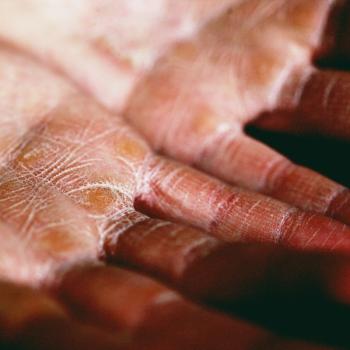
New data reports a notably heightened risk of atopic dermatitis in patients with prurigo nodulais compared with a control cohort.

A new post-hoc analysis has also revealed improvements in quality of life in patients’ caregivers.
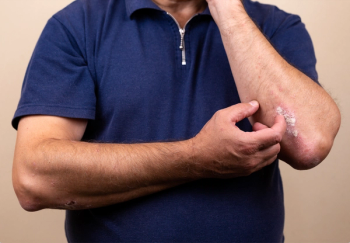
A study shows secukinumab clears skin lesions faster than ustekinumab in generalized pustular psoriasis, with improved responses observed by week 2.

A review of 5 highly anticipated FDA decisions expected by year-end, including acoramidis for ATTR-CM, olezarsen for FCS, sotagliflozin for T1D and CKD, and more.

Study findings highlight the individual and combined impact of smoking tobacco and drinking alcohol on achieving PASI75 after 8 weeks of treatment.

An EADV 2024 study suggests dupilumab use during pregnancy is generally safe and may lower risks of preterm labor, gestational hypertension, and diabetes.

Crisugabalin at 40 mg/d or 80 mg/d significantly reduced daily pain in adults with postherpetic neuralgia, a phase 3 study found.

Further research is needed to understand the mechanism behind the link as antibiotic exposure is often necessary in care.
Advertisement
Advertisement
Trending on HCPLive
1
RELIEVE-AD-PEDs: Dupilumab Sustains Adolescent Atopic Dermatitis Control at 1 Year
2
Conservative Therapy in Fibrillary GN: A Four-Drug Kidney-Protective Approach
3
Top Reason for Leaving HAE Attacks Untreated, Survey Finds
4
Targeting the Disease Mechanism in PFIC, With Hisamitsu Hayashi, PhD
5