





Dermatology
Latest News
Advertisement
Latest Videos






CME Content























































Advertisement
More News

In this Maui Derm fall conference session, Callender highlights approaches to pigmentation issues such as vitiligo, melasma, and other disorders.

Nemolizumab shows early and sustained benefits in reducing itch and sleep disturbance in moderate-to-severe atopic dermatitis, per ARCADIA data.

The Medical Sisterhood, hosted by Mona Shahriari, MD, is the latest multimedia program from HCPLive Dermatology!

Dupilumab reduced itch and disease activity in patients with uncontrolled CSU, confirming prior findings from the LIBERTY-CUPID program in a phase 3 trial.
This is an overview of our upcoming Maui Derm NP+PA Fall 2024 Program conference coverage.

Eli Lilly’s announcement of the lebrikizumab-lbkz approval for patients 12 years of age and older follows positive findings from the ADvocate 1, ADvocate 2, and ADhere studies.
These data highlighted dupilumab’s potential as a means to break the ‘itch–scratch cycle’ in those with chronic prurigo, with disease remission induced in a subset.
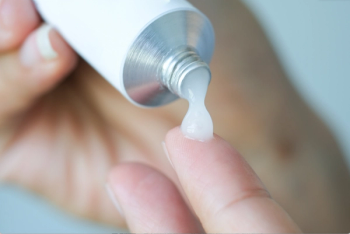
In a recently published Viewpoint, the authors stress the importance of dermatologists staying updated on prescription cost-saving programs and their impact on patient care.

These findings also highlight that an early response to alopecia areata treatment can be identified with trichoscopy.

These findings resulted from a systematic literature review highlighting the impact of stigma and lack of support on self-image for patients with eczema, psoriasis, HS, and other conditions.

These data may help to inform and guide clinicians as well as policymakers in their allocation of efficient chronic urticaria management resources.

In this analysis, the differences in adverse events resulting from JAKi among adults and children were evaluated.

These findings further endorse the need for health care quality improvements for veterans, given the rates of melanoma, skin cancer, and psoriasis.
In this review of August 2024, the editorial team highlighted major stories from the previous month related to FDA approvals and medications for atopic dermatitis and psoriasis.

These Mendelian analysis results highlight an association between alopecia areata and asthma, indicating a mediating role of IL-33.
This systematic review and meta-analysis looks at trends around the world regarding patients with vitiligo, highlighting prevalence and incidence.

Prefilled pens and fewer injections improve satisfaction in psoriasis patients with needle phobia, enhancing adherence and treatment effectiveness, a study finds.

A new study found patients with chronic pruritus of unknown origin have reductions in 15 metabolites compared to healthy controls.

This analysis was designed to examine ChatGPT’s accuracy in diagnosing dermatologic conditions among those with and without skin of color.

Patients with psoriasis show greater H. pylori infection rates, but no link to psoriasis severity, suggesting further research is needed on this potential connection.

A new study revealed children who go from normal weight to overweight have a greater risk of atopic dermatitis than obese children who maintain their weight.

A study involving 6.2 million patients found smoking increases the risk of developing hidradenitis suppurativa, with quitting smoking significantly reducing this risk.

These data highlight the necessity of equality in access to treatment and to the future development of psychological intervention measures using country-specific differences.

Rates of adverse events leading to discontinuation were similar between populations of moderate-to-severe psoriasis and psoriatic arthritis.

A phase 2 trial shows tofacitinib improves autoimmune conditions in Down syndrome, with notable skin health benefits and a good safety profile.
Advertisement
Advertisement
Trending on HCPLive
1
RELIEVE-AD-PEDs: Dupilumab Sustains Adolescent Atopic Dermatitis Control at 1 Year
2
Conservative Therapy in Fibrillary GN: A Four-Drug Kidney-Protective Approach
3
3 Hematology Headlines You Missed in September 2026
4
Top Reason for Leaving HAE Attacks Untreated, Survey Finds
5