

























































Reassurance should focus on success rates and low risk of serious problems.
Reassurance should focus on success rates and low risk of serious problems.

Acute intraocular inflammation was less common for ranibizumab than aflibercept.

Perceived Stress Scale worked well in assessing stress levels of AMD patients.

In a new study, stroke occurred in 6.6% of the ranibizumab-treated group, compared with 7.0% of the controls matched by sociodemographic factors and comorbidities and 6.7% of the controls matched by sociodemographic factors only. These differences were not statistically significant.

As with most surgical advances, new potential procedures in ophthalmology pose their fair share of risks. However, if those risks can be overcome the rewards to patients can make a significant difference in their quality of life.
Medical technology is constantly evolving across fields, and ophthalmology is no exception. A new hypersonic vitrectomy device is currently in development and could be on the market in 2017.

Much in the way GPS systems help drivers navigate the roads easier, image guided surgery can help doctors provide better care to their patients in many cases.

The mortality rate of AMD patients who received a bevacizumab injection 3 or 6 months after stroke was, in the study’s words, “worrying†compared to the rate of those who did not.

In an 84-year-old woman with AMD and acute deterioration in vision, the oral antioxidant supplement Resvega led to regression of subretinal fluid and eliminated the need for intravitreal injection of an anti-VEGF agent over the course of 9 months.
While surgeons across the globe have become used to performing procedures with the same equipment as their colleagues there could be some benefit to having tools specifically designed for their individual preferences.

For patients with retinitis pigmentosa the loss of vision can be a difficult consequence of the condition. An implanted device may not give them back the sight they once had but it can provide a chance to see the world around them in a new way.
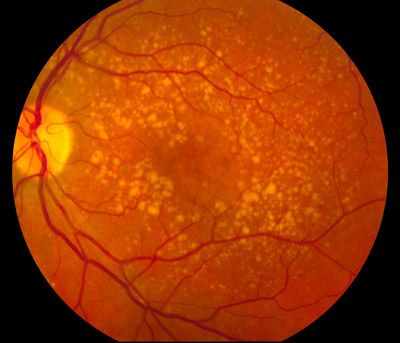
Doctors treating patients with age-related macular degeneration face a wide range of complications including the potential dosage for anti-VEGF medications. One question is what role these drugs play in macular atrophy.
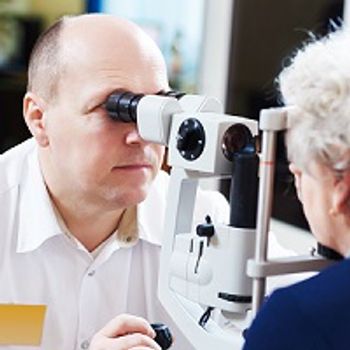
Researchers set out to see how prevalent sleep problems are in people with age-related macular degeneration (AMD) at the 34th Annual Scientific Meeting of the American Society of Retina Specialists (ASRS 2016) in San Francisco, California.
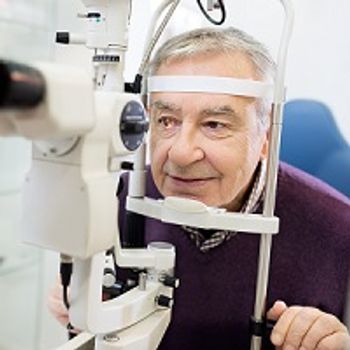
David Eichenbaum, MD, an ophthalmologist from Florida, presented data from the HARBOR study at the 34th Annual Scientific Meeting of the American Society of Retina Specialists (ASRS 2016) in San Francisco, California.
A retrospective chart review study showed that the location of subfoveal fibrovascular scarring in relation to the retinal pigment epithelium correlated with visual outcome in eyes successfully treated with anti-vascular endothelial growth factor agents for neovascular age-related macular degeneration.

Regular users of oral bisphosphonates had a higher risk of developing wet age-related macular degeneration than non-users, according to results of a recent Canadian study, and the longer the use, the greater the increased risk.

According to a recent systematic review, limited evidence exists to guide clinicians on the best approaches for managing pain in older (> 50 years of age) patients who have suffered a hip fracture. The strongest evidence supports nerve blockade to improve acute pain and to reduce risk for delirium. Data also suggest that preoperative traction does not improve relief from acute pain.

New research indicates that older patients with late-stage advanced macular degeneration are at increased risk of bleeding stroke.