

Data from the Fitbit Heart study presented at AHA 2021 suggest a novel algorithm for detecting irregular heart rhythms had a positive predictive value of 98% for detecting atrial fibrillation in patients with undiagnosed atrial fibrillation.
Patrick Campbell is the editorial director of HCPLive. Patrick has spent years spearheading coverage surrounding cardiometabolic health and rheumatic disease for MJH Life Sciences. Before joining MJH Life Sciences in 2019, he spent time as a beat reporter and/or multimedia specialist with the Pocono Record, Star News Group, and NJ Advance Media. He is the executive producer for multiple HCPLive podcasts, including Diabetes Dialogue, Don't Miss a Beat, Kidney Compass, Medical Ethics Unpacked, The Medical Sisterhood, and Skin of Color Savvy.
Follow him on Twitter @RealPatCampbell or reach him via email at PCampbell@mjhlifesciences.com.
Data from the Fitbit Heart study presented at AHA 2021 suggest a novel algorithm for detecting irregular heart rhythms had a positive predictive value of 98% for detecting atrial fibrillation in patients with undiagnosed atrial fibrillation.
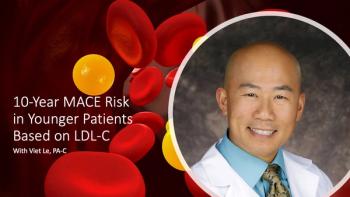
Viet Le, PA-C, discusses the results of a study he led from AHA 2021 examining 10-year risk of MACE among patients with an LDL-C from 160-189 mg/dL compared to those with an LDL-C below 160 mg/dL.

Deepak Bhatt, MD, MPH, discusses the results of the interim analysis of the REVERSE-IT trial presented at AHA 2021, which indicates bentracimab provided immediate and sustained reversal of ticagrelor's antiplatelet effects in patients requiring urgent surgery or experiencing major bleeding.

After 2 years, there was little difference in cognitive function between patients with nonvalvular atrial fibrillation receiving dabigatran or warfarin in the GIRAF trial, which was presented at AHA 2021.

Deepak Bhatt, MD, MPH, discusses the results of a pooled analysis of the SOLOIST and SCORED trials assessing effects of sotagliflozin based on baseline eGFR among patients included in the trials.

Data from the CRAVE trial, which was presented at AHA 2021, suggests consumption of coffee could impact heart rhythm, daily sleep, and physical activity.
Results from the 6-month analysis of the RAPID CABG trial indicate stopping ticagrelor use 2-3 days prior to CABG was not associated with an increased risk in bleeding compared to discontinuing use 5-7 days prior to surgery.

Results of the AVATAR trial suggest early surgery could reduce the risk of MACE and mortality compared to a conservative treatment approach among patients with severe asymptomatic aortic stenosis and a normal LVEF.
Data presented at ASN Kidney Week 2021 suggests dapagliflozin use was associated with a reduction in the rate of kidney function decline in patients with chronic kidney disease, regardless of whether they have diabetes.
Results of FIDELITY suggest use of finerenone was associated with reductions in risk of all nonfatal kidney end points included in the analysis, regardless of CKD severity.

Data from the CLICK trial presented at Kidney Week 2021 demonstrates chlorthalidone reduced systolic blood pressure by 11 mmHg over a 12-week treatment period among a patient population with stage 4 CKD and uncontrolled hypertension.
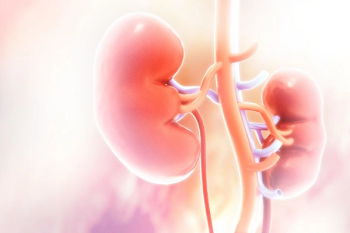
An analysis of FIGARO-DKD from Kidney Week 2021 suggests finerenone use was associated with reductions in risk of multiple renal end points, including a 36% reduction in the need for dialysis.

Data from a prespecified analysis of DAPA-CKD presented at Kidney Week 2021 provides insight into the effects of dapagliflozin use on the rate of kidney function decline based on the presence of type 2 diabetes from the trial.

Data from the CLICK trial presented at ASN Kidney Week 2021 suggests the use of chlorthalidone could reduce blood pressure by 11 mmHg among patients with stage 4 chronic kidney disease and poorly controlled hypertension.
Using the Steno Type 1 Risk Engine, a team from Denmark conducted a study suggesting SGLT2 inhibition could lower risk of cardiovascular disease and end-stage kidney disease in patients with type 1 diabetes.
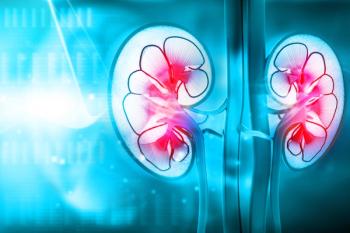
An analysis of secondary end points from FIGARO-DKD presented at Kidney Week 2021 provides further insight into the effects of finerenone on kidney outcomes, including a 36% reduction in need for dialysis.

Results of the 5-year follow-up from SURTAVI, which were presented at TCT 2021, provide insight into the associations of TAVR with mortality and stroke compared to SAVR in patients with severe aortic stenosis considered to be at intermediate risk.

Results of the 6-month follow-up from RADIANCE-HTN TRIO suggest the addition of antihypertensive medications following renal denervation could contribute to further blood pressure lowering in patients with treatment-resistant hypertension.
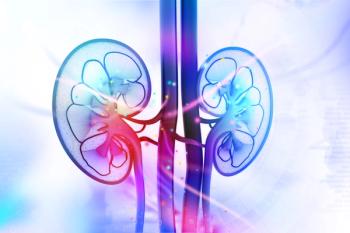
Data from the FIDELITY analysis suggests use of finerenone was associated with a significant 20% reduction in end-stage kidney disease as well as reductions in all nonfatal kidney end points included in the study's composite kidney outcome.
Data from the FAME 3 trial cast doubt on the role of FFR-guided PCI versus CABG among patients with 3-vessel coronary artery disease.

Data presented at ACR Convergence 2021 suggest statin initiation was associated with a 32% reduction in risk of cardiovascular disease, 54% reduction in risk of all-cause mortality, and a 33% increase in risk of type 2 diabetes.

Results of the LIFE trial suggest sacubitril/valsartan failed to outperform valsartan alone for multiple end points of interest, including reductions of NT-proBNP.
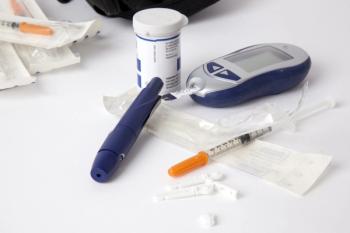
An analysis of data from more than 160k adults with type 2 diabetes in Scotland provides insight into the incidence of diabetes remission and factors associated with increased likelihood of achieving remission.

A time-conditional propensity score-matched analysis suggests statin initiation was associated with reductions in risk of cardiovascular disease and all-cause mortality but an increase in the risk of new diabetes in patients with rheumatoid arthritis.

An analysis of data from multiple Danish registries provides evidence suggesting women who experience preterm delivery had 1.6-fold greater odds of developing hypertension later in life.

An analysis of more than 2.4 million offspring in Denmark suggests children with exposure to maternal diabetes during pregnancy were at a 15% greater risk of developing a psychiatric disorder in the first 40 years of life.

An analysis of data from 14.6k patients with T1D using flash monitoring provides insights into the effects of the technology on HbA1c as well as rates of DKA and hospitalizations for hypoglycemia.

New research suggests use of mobile technology could help improve blood pressure over a long-term period, with greater engagement with the technology associated with greater improvements in blood pressure.

A pair of studies provide insight into the increased risk of dysglycemia among women with PCOS and the potential influence of combined oral contraceptive pills on this risk in a population-based cohort.
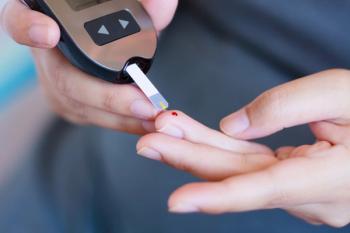
A multicenter case-control study of a trio of hospitals in Spain suggests the presence of diabetes was not associated with an increased risk of long-term COVID-19 symptoms.