

The largest study of its kind to date provides evidence suggesting a causal relationship between cfPWV and cIMT in adolescence with increased insulin resistance and dyslipidemia in young adulthood.
Patrick Campbell is the editorial director of HCPLive. Patrick has spent years spearheading coverage surrounding cardiometabolic health and rheumatic disease for MJH Life Sciences. Before joining MJH Life Sciences in 2019, he spent time as a beat reporter and/or multimedia specialist with the Pocono Record, Star News Group, and NJ Advance Media. He is the executive producer for multiple HCPLive podcasts, including Diabetes Dialogue, Don't Miss a Beat, Kidney Compass, Medical Ethics Unpacked, The Medical Sisterhood, and Skin of Color Savvy.
Follow him on Twitter @RealPatCampbell or reach him via email at PCampbell@mjhlifesciences.com.
The largest study of its kind to date provides evidence suggesting a causal relationship between cfPWV and cIMT in adolescence with increased insulin resistance and dyslipidemia in young adulthood.
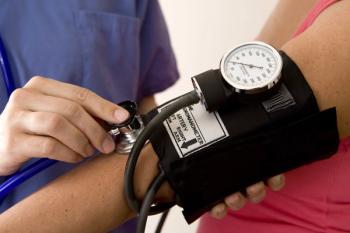
A recent analysis of data from more than 4000 women suggests higher NT-proBNP concentrations during early pregnancy were associated with a 19% reduction in risk of HDP and a 16% reduction in risk of hypertension 2-7 years after delivery.

Comparing retrospective echocardiogram data from 60 controls and 60 children with MIS-C, a team of investigators from Children's Hospital of Philadelphia provides an overview of the heart function recovery in children with COVID-19-related MIS-C.

A retrospective cohort analysis of more than 3000 patients with CKD suggests use of MRAs was significantly associated with a reduction in the need for renal replacement therapy.

Results of a study examining predictors of arterial stiffness in type 1 diabetes concluded age, sex, and flow-mediated dilation were uniquely associated with increased arterial stiffness.

A systematic review and meta-analysis provide insight into the risks of precocious puberty and early menarche based on consumption of a soy-based infant diet.
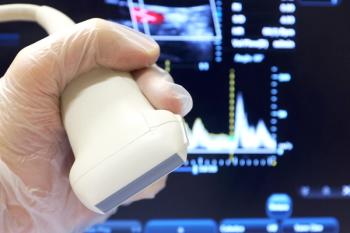
A recent systematic review and meta-analysis provide a deep dive into the effectiveness of pelvic ultrasonography as a complementary tool to GnRH testing for differentiating between precocious puberty and premature thelarche.

Joshua Joseph, MD, MPH, discusses the onus behind a recent AHA scientific statement outlining pitfalls and contemporary management goals for the cardiovascular health of patients with type 2 diabetes.

A monocentric randomized crossover study of 16 subjects provides insight into the difference in glycemic control, device acceptance, and psychological outcomes based on use of implantable versus transcutaneous.

Results of a systematic review and meta-analysis detail the reduction in fear of hypoglycemia and general improvement in satisfaction associated with use of continuous glucose monitoring in patients with type 1 diabetes.

A meta-analysis including 11 studies with nearly 14k patients is providing insight into associations between time in range and risk of microvascular complications in patients with type 2 diabetes.

Data from the MOBILE study detail the potential impact of continuous glucose monitoring on HbA1c level compared with blood glucose meter monitoring in a population of patients with type 2 diabetes treated with basal insulin without prandial insulin.

A cross-sectional study of 83 patients with diabetes of the exocrine pancreas provides insight into the potential benefits of continuous glucose monitoring among these patients.

A meta-analysis of observational studies provides clinicians with a comprehensive overview of the impact of lockdown measures during the COVID-19 pandemic on glucose control in patients with type 1 diabetes.
New research from the University of Virginia Health System describes factors associated with increased arterial stiffness from a cohort of adolescents and young adults with type 1 diabetes.

With the aim of confronting racism and inequities in care and within the workforce, the Endocrine Society released a statement addressing racism within endocrinology on January 13.
A comparison of data and care from prepandemic and pandemic periods provides an overview of the impact deferred care and stay-at-home orders on the rate of amputations and other outcomes among patients with diabetes.
With the aim of improving the rate of patients with diabetes achieving optimized cardiovascular risk factor management, the AHA has released a scientific statement detailing contemporary data and management approaches to help achieve these goals.
Released on Jan. 10, the latest scientific statement from the American Heart Association details gaps in cardiovascular risk management impacting the majority of patients with type 2 diabetes within the US.

A recent analysis found patients with benign adrenal tumors and MACS were at an increased risk of cardiometabolic diseases.


A comparison of data from patients with mild to moderate COVID-19 provides insight into the long-term effects on cardiac, renal, pulmonary, and thrombotic function status.

An analysis of data from 1860 mother-child pairs suggests presence of abnormal maternal thyroid hormone levels could help in the prediction of behavioral and emotional health problems in male offspring at 4 years of age.

New research published in Circulation Research suggests investigators at Northwestern Medicine have developed and validated sex- and race-specific equations for calculating lifetime risk of incident heart failure.
A cross-sectional study of more than 1000 patients suggests presence of MACS in patients with benign adrenal tumors was associated with increased prevalence and severity of hypertension as well as an increase in the likelihood of requiring insulin therapy in type 2 diabetes.
An analysis of data from more than 1.1 million patients provides an overview of inequities in use of GLP-1 RAs among patients with diabetes based on racial/ethnic background and household income.

The American Academy of Neurology released guidelines detailing oral and topical treatment options for management of painful diabetic neuropathy on December 27.

Announced on December 30, the approval of levoketoconazole (Recorlev), a cortisol synthesis inhibitor, is for the treatment of endogenous hypercortisolemia in adult patients with Cushing’s syndrome for whom surgery is not an option or has not been curative.

New research published in the Journal of the American Heart Association provides an overview of the changes in the rate of premature death due to acute myocardial infarction among patients in the US younger than 65 years of age.

A trial comparing changes in blood glucose before, during, and after exercise at sea level and simulated altitude provides insight into the potential increase in risk for hypoglycemia among patients with type 1 diabetes.