

A new trial from Wake Forest University underlines the importance of messaging and individualized approaches to achieve weight loss among older patients with obesity.
Patrick Campbell is the editorial director of HCPLive. Patrick has spent years spearheading coverage surrounding cardiometabolic health and rheumatic disease for MJH Life Sciences. Before joining MJH Life Sciences in 2019, he spent time as a beat reporter and/or multimedia specialist with the Pocono Record, Star News Group, and NJ Advance Media. He is the executive producer for multiple HCPLive podcasts, including Diabetes Dialogue, Don't Miss a Beat, Kidney Compass, Medical Ethics Unpacked, The Medical Sisterhood, and Skin of Color Savvy.
Follow him on Twitter @RealPatCampbell or reach him via email at PCampbell@mjhlifesciences.com.
A new trial from Wake Forest University underlines the importance of messaging and individualized approaches to achieve weight loss among older patients with obesity.

Announced on Dec. 20, the US FDA awarded approval to the Sapien 3 with Alterra from Edwards Lifesciences Corporation for pediatric and adult patients with severe pulmonary regurgitation.
The American Diabetes Association has released their 2022 Standards of Medical Care in Diabetes, which includes updates or additional guidance in areas such as diabetes screenings, first-line therapies, and technology use.
Announced on Dec. 20, the latest approvals for rivaroxaban (Xarelto) mark the 10th and 11th indications for the factor Xa inhibitor in the US.

An analysis of data from the PURE study suggests those with high stress levels had a 22% greater risk of cardiovascular disease, a 24% greater risk of congestive heart disease, and a 30% greater risk of stroke compared to their counterparts with no stress.
Implicity announced their ILR ECG Analyzer received 510(k) clearance from the FDA in a statement released on December 16.

An umbrella review of meta-analyses of RCTs examining intermittent fasting for weight loss provide a comprehensive overview of the effects of the approach on various health outcome measures in patients with overweight or obesity.

An analysis of the Women's Health Initiative suggests hypertensive disorders of pregnancy were associated with a significant increase in risk for incident heart failure, but this association was not observed for other adverse pregnancy outcomes.
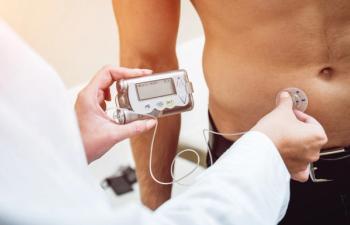
An analysis of Medicare fee-for-service data from 2017-2019 details the widening gaps in access to newer diabetes technologies for non-White patients in the US.

Released on Dec. 15, the latest scientific statement from the American Heart Association provides a comprehensive overview of the available evidence on topics related to diagnosis, management, and pharmacotherapy for hypertension during pregnancy.

A retrospective analysis of data from more than 170 patients with Cushing syndrome and hyperglycemia provides insight into the effects of curative treatment on hyperglycemia among these patients.

An analysis of data from the Women's Health Initiative suggests a history of hypertensive disorders of pregnancy was associated with an almost doubling in odds of developing heart failure later in life.

Data from an analysis of 67k older Danes suggests statin discontinuation corresponded with 1 excess event per 112 persons per year in a primary prevention cohort and 1 excess event per 77 persons per year in a secondary prevention cohort.
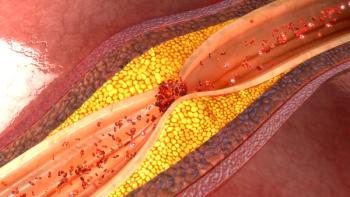
The ACC/AHA/SCAI 2021 guideline recommendations for coronary artery revascularization were released on December 9, which they hope will replace or retire recommendations from half a dozen previous guidelines.

An analysis of more than 25k patients using levothyroxine demonstrates the impact of appointment delays on TSH levels among these patients.

Analysis of data from the SOS study indicates bariatric surgery was associated with a 37% reduction in incident cancer among individuals with obesity and diabetes versus conventional obesity treatments, with those achieving diabetes remission experiencing a 60% reduction in risk.

A retrospective analysis of patients with suspected myocarditis following COVID-19 vaccination provides clinicians with insight into the disease course, treatment, and imaging findings among this patient population.

A report published in Circulation details per month increases in both systolic and diastolic blood pressure observed during the pandemic as compared with prepandemic periods.

A Mayo Clinic-led retrospective analysis suggests patients with T2D had an 88% greater risk of developing any diabetic retinopathy within the first 15 years of diagnosis compared to those with T1D.

Data from a secondary analysis of the PREDICT 1 trial provides insight into the effects of sleep habits on postprandial glucose control among a cohort of healthy individuals.
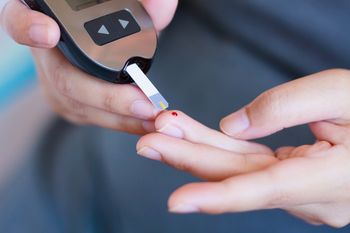
A study from Emory University details the risk of developing type 2 diabetes among transgender individuals compared to their cisgender counterparts and takes a deeper dive into the influence of gender-affirming hormone therapy on this risk

A systematic review and meta-analysis of phase 3 data on SGLT2 inhibitors in HFpEF suggest the class was associated with a 22% reduction in CV death and hospitalization but found no significant effect on CV death or all-cause mortality as individual end points.

A recent trial found concomitant tricuspid annuloplasty could lower the risk of mortality and progression to severe tricuspid regurgitation among patients with degenerative mitral valve regurgitation.

A recent analysis found patients with diabetes were about 26% less likely to notice symptoms of atrial fibrillation and more likely to experience more comorbidities than their counterparts without diabetes.
An analysis of survey data from patients in multiple countries provides clinicians with an overview of the effects of self-isolation during the COVID-19 pandemic on diabetes management, including access to insulin and blood glucose fluctuations.
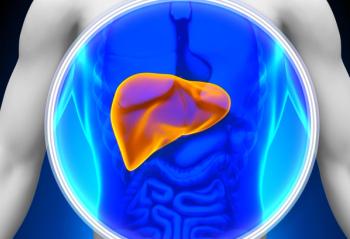
An analysis of data from the SPLENDOR study suggests undergoing baraitric surgery was associated with an 88% reduction in risk of progression of fatty liver to cirrhosis, liver cancer, or liver-related death and a 70% reduction in risk of major adverse cardiovascular events in patients with NASH and obesity.

Data from the SWISS-AF study is providing clinicians with insight into the likelihood of patients to perceive symptoms of atrial fibrillation based on whether or not they had diabetes.
A retrospective study leveraging 2-3 years of data found long-term HbA1c control was a greater predictor of COVID-19 severity than a single, contemporary HbA1c measurement as other studies have examined.

Data from the ASCEND trial provide clinicians with insight into the risk of dementia based on long-term use of low-dose aspirin among patients with diabetes and no history of cardiovascular disease.

The most recent analysis from TRANSLATE-HF suggests optimal prescription of dapagliflozin, based on the FDA label, could reduce the risk of mortality and readmission among patients hospitalized for HFrEF.