

An analysis of more than 4 million singleton deliveries from more than 2.1 million women provides insight into the apparent increase in risk associated with preterm delivery.
Patrick Campbell is the editorial director of HCPLive. Patrick has spent years spearheading coverage surrounding cardiometabolic health and rheumatic disease for MJH Life Sciences. Before joining MJH Life Sciences in 2019, he spent time as a beat reporter and/or multimedia specialist with the Pocono Record, Star News Group, and NJ Advance Media. He is the executive producer for multiple HCPLive podcasts, including Diabetes Dialogue, Don't Miss a Beat, Kidney Compass, Medical Ethics Unpacked, The Medical Sisterhood, and Skin of Color Savvy.
Follow him on Twitter @RealPatCampbell or reach him via email at PCampbell@mjhlifesciences.com.
An analysis of more than 4 million singleton deliveries from more than 2.1 million women provides insight into the apparent increase in risk associated with preterm delivery.

In an analysis of SWAN data, investigators found changes in menstrual cycle length within the 5 years preceding a woman's final menstrual period was associated with changes in carotid intima-media thickness and brachial-ankle pulse wave velocity.

An analysis of 5 years of follow-up data from more than 90k Medicare beneficiaries suggests undergoing sleeve gastrectomy was associated with lower risk of mortality, complications, and reintervention, but an increased risk of surgical revision compared to gastric bypass.

A comparison of data from expansion states and nonexpansion states suggests access to bariatric surgery has increased since the ACA Medicaid expansion, but the increase in access has been limited mainly to non-Hispanic White patients.

Analysis of data from 83k matched pairs suggests statin initiation could increase a patient's odds of diabetes progression, including need for new glucose-lowering medications and new insulin use.

Leveraging data from 3 European cohorts, investigators detail the risk of incident coronary heart disease and mortality associated with iron deficiency in the general population.

An analysis of nearly 400 patients suggests undergoing thyroid radiofrequency ablation in ambulatory settings was associated with increased risk of intraoperative, postoperative, and perioperative side effects than those performed in operating room settings.

A meta-analysis and systematic review of 7 RCTs suggests consuming more than 1 gram of marine omega-3 fatty acid supplements per day could increase a patient's risk of atrial fibrillation.

An analysis of more than 650 thyroid eye disease patients is providing clinicians with insight into the most common comorbidities and risk factors associated with increased disease severity in patients with TED.

A post hoc analysis of the REWIND trial suggests women with diabetes were less likely to achieve treatment targets and receive guideline-directed medical therapies than their male counterparts.

An analysis of data from OPTIC and OPTIC-X provide insight into the effects of teprotumumab in longer duration thyroid eye disease and among patients who were nonresponders in the original trial.
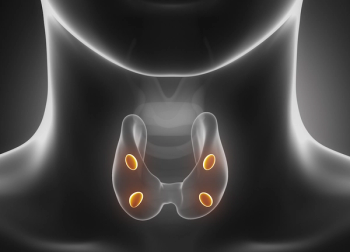
Results of a bioavailability, crossover study suggest use of proton pump inhibitors did not interfere with the absorption of levothyroxine sodium oral solution.

Using data from more than 80k matched pairs of statin users and comparators, investigators from UT Southwestern Medical Center found initiation of statin therapy was associated with an increased likelihood of diabetes progression, including risk of hyperglycemia and ketoacidosis.

An analysis of survey data from nearly 800 patients with diabetes provides insight into the effects of the pandemic on diabetes management, including increased difficulty in affording diabetes medications and consulting with their diabetes care providers.

Data from more than 800 patients with 120 days of continuous heart monitoring data and ischemic stroke provide insight into the timing of arrhythmic episodes and how it can help predict the risk of stroke in patients with CIEDs and atrial fibrillation.
Research presented at EASD 2021 suggests patients with metabolically healthy obesity were still at an increased risk of heart failure and atrial fibrillation when compared to their counterparts who had always maintained a healthy weight.

Published on September 30, the consensus report provides perspective on diagnosis and management of type 1 diabetes, including a diagnosis algorithm and insight on CGM specific to type 1 diabetes, which the writing group noted is lacking from previous guidance.

Data from a recent analysis suggests patients with diabetes with the lowest levels of insulin resistance had a 40% lower risk of stroke when compared to those with the highest levels.

Abbott announced on September 29 the FDA had granted approval to the Amplatzer Talisman PFO Occluder for use in patients with a PFO at risk of recurrent stroke. This approval was accompanied by the clearance of the Amplatzer Talisman Delivery Sheath.

New data presented at EASD 2021 suggests patients with metabolically healthy obesity were at a 34% greater risk of developing new-onset heart failure and a 33% greater risk of new-onset AF than counterparts of healthy weight and no metabolic abnormalities.

Research presented at the AHA's Hypertension Scientific Sessions details the increased prevalence of cardiac autonomic neuropathy and decreased survival probability associated with a non-dipping blood pressure at night.

A study from EASD 2021 suggests increased insulin resistance could help predict risk of incident stroke events among adult patients with type 2 diabetes, with results indicating lowest levels of insulin resistance were at a 40% lower risk of stroke compared to those with the highest levels.

A posthoc analysis of the REWIND trial is providing insight into the overall standard of care seen with women with diabetes and increased cardiovascular risk compared to their male counterparts with diabetes and increased cardiovascular risk.

A meta-analysis builds upon previous research and provides new insight into the total costs of diagnosis and treating PCOS as well as the costs of treating PCOS-related comorbidities.

A trial comparing 3 eating patterns suggests a healthy dietary approach could lower cardiovascular risk factors among pediatric patients considered to be overweight or obese.

An analysis leveraging data from NHANES, the GWTG-HF registry, and PARAGON-HF is providing insight into the potential impact of the FDA's expanded label for sacubitril/valsartan based on optimal implementation.
On September 20, Abbott announced the FDA had approved their Portico with FlexNav TAVR system for patients with symptomatic, severe aortic stenosis based on results of the PORTICO IDE Trial.

Released on September 20, the latest scientific statement from the AHA outlines potential strategies, including lifestyle modifications, pharmacologic therapies, and weight loss surgery, for the prevention and treatment of obesity hypertension.

Data from the CONNECT-HF trial from HFSA 2021 suggest use of a digital tool designed to improve adherence could contribute to improving outcomes among patients discharged from the hospital with heart failure with reduced ejection fraction.

Erica P. Gunderson, PhD, MS, MPH, offers perspective on the current state of gestational diabetes management as well as avenues for improving current diagnostic and management standards.