

An economic evaluation using a microsimulation model comparing Roux-en-Y gastric bypass, sleeve gastrectomy, and medical therapy for severe obesity in patients with type 2 diabetes suggests gastric bypass was the most cost-effective approach.
Patrick Campbell is the editorial director of HCPLive. Patrick has spent years spearheading coverage surrounding cardiometabolic health and rheumatic disease for MJH Life Sciences. Before joining MJH Life Sciences in 2019, he spent time as a beat reporter and/or multimedia specialist with the Pocono Record, Star News Group, and NJ Advance Media. He is the executive producer for multiple HCPLive podcasts, including Diabetes Dialogue, Don't Miss a Beat, Kidney Compass, Medical Ethics Unpacked, The Medical Sisterhood, and Skin of Color Savvy.
Follow him on Twitter @RealPatCampbell or reach him via email at PCampbell@mjhlifesciences.com.
An economic evaluation using a microsimulation model comparing Roux-en-Y gastric bypass, sleeve gastrectomy, and medical therapy for severe obesity in patients with type 2 diabetes suggests gastric bypass was the most cost-effective approach.

A systematic review and meta-analysis suggest approximately 20% of girls with type 2 diabetes also had polycystic ovary syndrome.

Data from a national research database in Taiwan provides insight into the apparent reductions in risk associated with DOAC use compared to warfarin in patients with atrial fibrillation and diabetes.

Data from Medicare beneficiaries provide insight into the risk of stroke associated with a diagnosis of COVID-19 among older adults, which results suggest peaks within the first 3 days of diagnosis.

A retrospective analysis of 10 years of stroke admissions suggests pediatric stroke patients with LVO who did not undergo thrombectomy were at 6 times greater risk of moderate to severe disability or death than those who underwent thrombectomy.
Announced on February 11, the approval for Eversense E3 continuous glucose monitoring system allows access to a CGM system with 6 months of longevity and is expected to be available beginning in the second quarter of 2022.

An international, retrospective analysis presented at ISC 2022 provides evidence suggesting use of DOACs as a treatment for cerebral venous thrombosis was associated with similar risk of recurrent clots and death as warfarin, but a 65% lower risk of major bleeding.

A meta-analysis presented at ISC 2022 suggests the risk of in-hospital mortality for stroke-related admissions was 42% greater among patients hospitalized during the pandemic compared to prepandemic.

On the first day of International Stroke Conference 2022, the AHA released a scientific statement outlining strategies to optimize in-hospital stroke care.

Using a pair of composite scores for measuring sleep health, new research from USF demonstrates the impact poor sleep health can have on risk of cardiovascular disease among adults in midlife.

Data from the SURPASS-5 trial demonstrate the safety and efficacy of multiple tirzepatide doses as an add-on therapy to titrated insulin glargine for glycemic control and weight loss in patients with type 2 diabetes.
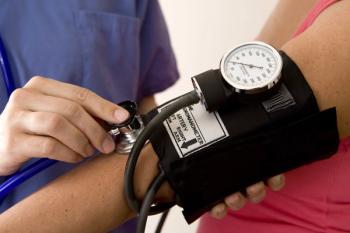
Data from the PATH-BP study suggests patients receiving daily acetaminophen experienced significant increases in systolic and diastolic blood pressure after just 2 weeks of receiving the medication.

Analysis of the UK Biobank cohort suggests presence of gestational diabetes was associated with a 33% increase in risk of CAD, 67% increase in risk of myocardial infarction, 69% increase in risk of stroke, and 42% increase in risk heart failure.

A randomized trial from the University of Chicago suggests achieving a healthy duration of sleep habitually could reduce energy intake and lead to reductions in body weight.
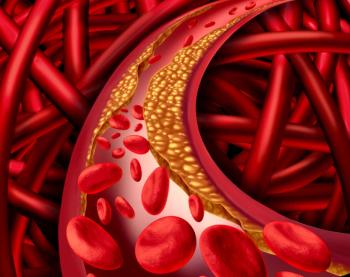
Released on February 4, the latest expert consensus statement from the Society for Cardiovascular Angiography and Interventions provides clinicians with an overview of available knowledge related to myocardial revascularization in women and calls attention to existing gaps in knowledge.

Data from the Teen-LABS study demonstrate undergoing bariatric surgery was associated with an increase in testosterone levels among adolescent males with subnormal serum testosterone levels.

Analysis of real-world registry data presented at ISC 2022 provide insight into the risk of intracranial hemorrhage with tenecteplase versus alteplase in patients with acute ischemic stroke.

New research suggests men with hypersexual disorder had increased plasma oxytocin levels and indicate cognitive-behavioral therapy was associated with a decrease in these levels as well as symptoms of hypersexual disorder.
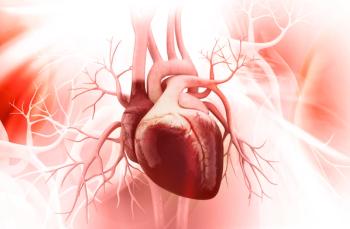
Atrial shunt placement failed to reduce heart failure events or improve health status in the overall trial, but results suggest a subgroup of patients with a normal response on an exercise test could stand to benefit from the therapy.

Results of a recent study shed light on observational and genetic associations between obesity and multiple female reproductive disorders, including uterine fibroids, PCOS, and heavy menstrual bleeding.

Released on Jan. 31, the updated consensus statement from the Society for Cardiovascular Angiography and Interventions provides a 3-axis model for shock classification and represents the first update since the original statement was released in 2019.
Announced on Jan. 28, the Omnipod 5 AID becomes the first tubeless automated insulin delivery system with the ability to integrate with the Dexcom G6 continuous glucose Monitoring System and a compatible smartphone to automatically adjust insulin and protect against glycemic events

An analysis of the National Inpatient Sample suggests the rates of hospitalization for hypertension crises increased from 2002 to 2015, but the rate of in-hospital death during these crises decreased during the same period.

An analysis of data from the Normative Aging Study provides insight into associations of neuroticism and worry with risk of cardiometabolic disorders in men over a 40-year period.
An analysis of data from more than 135k patients with type 1 and type 2 diabetes indicates the age-adjusted rate of chronic kidney disease was greater in type 1 diabetes and also sheds light on the rising rate of obesity in type 1 diabetes.
On January 25, the Society of Thoracic Surgeons and American Association of Thoracic Surgery released new guideline recommendations for the diagnosis and management of patients with type B aortic dissection.

New data suggests higher concentrations of NT-proBNP in early pregnancy could help predict women at a lower risk for developing hypertensive disorders of pregnancy and future hypertension.

Data from an analysis of the ALSPAC cohort suggests arterial stiffness in adolescence could cause insulin resistance and dyslipidemia in young adulthood.

A comparative effectiveness study of Medicare claims data suggests gastric bypass surgery was associated with a greater rate of discontinuation of medications for obesity-related comorbidities than sleeve gastrectomy.
On January 20, the AHA released a presidential advisory to raise awareness and provide risk mitigation strategies to prevent death from vasovagal compromise following BPG use in patients with rheumatic heart disease.