


Sleep
Latest News
Advertisement
Latest Videos






CME Content




























































Advertisement
More News

Tirzepatide's approval marks the first and only prescription medicine available for adults with moderate-to-severe obstructive sleep apnea and obesity.

A study showed parents of children with atopic dermatitis have an increased odds of taking medication to aid sleep.
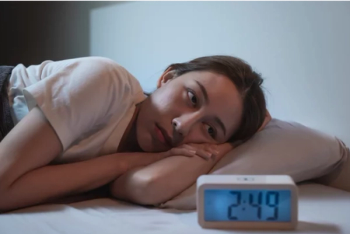
In a recent study, the prevalence of RLS occurred in 42.9% of participants with depression.

The AASM has updated its RLS guidelines, now recommending against the standard use of dopamine agonists due to evidence of augmentation.

A new study showed patients with MASLD have fragmented nocturnal sleep with frequent awakenings per night and a session on healthy sleep habits did not improve sleep parameters.
Dreem 3S is the first sleep wearable with an FDA-authorized Predetermined Change Control Plan.
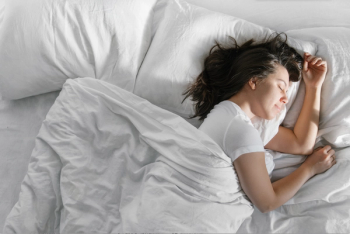
Following the publication of the new RLS recommendations, HCPLive spoke with John Winkelman, MD, PhD, chair of the AASM committee that revised the guidelines.
Following the approval of sodium oxybate for cataplexy in adults with cataplexy, the FDA approves this indication for the pediatric population.
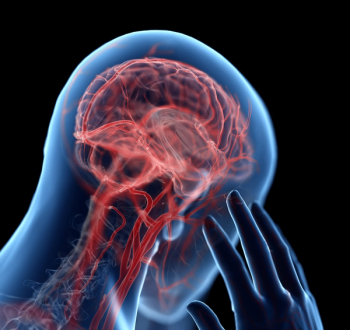
Comorbid migraine and insomnia are linked to altered locus coeruleus connectivity, suggesting it is a biomarker for sleep disturbances and a potential therapeutic target.
This month in review highlights the top sleep stories in August, from sleep health in patients undergoing dialysis to the benefits of catching up on sleep.
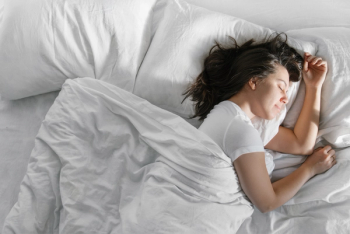
People with the most weekend catch-up sleep had a 20% lower risk of heart disease, especially those who were sleep-deprived during the week.

Allegheny Health Network (AHN) implants innovative device to manage central sleep apnea in heart failure patients, reducing mortality rise and improving quality of life.
Nocturnal hypoxia may represent an additional modifiable risk factor for AMD, particularly its neovascular form.

Care for dialysis patients often focuses on kidney health, but experts and a patient stress the need for interdisciplinary care that also addresses sleep health.
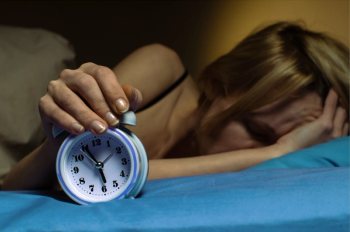
Participants with greater poor sleep and renal function biomarker scores had a 5.45-fold greater risk of developing severe MASLD.

A new study found physical activity held more weight in the link between the joint exposure of sleep duration, metabolic equivalent of task, and Healthy Eating Index -2015 and MAFLD.

In an interview, Raj Chovatiya, MD, PhD, highlights the effectiveness of lebrikizumab, providing stable improvements by week 52.
Investigators highlight the need for tailored interventions to improve sleep disturbances and overall health in patients with hepatocellular carcinoma.
This month in review focuses on early-stage clinical trials of sleep medicine and insights from sleep experts on topics such as OSA and CSA.

In an interview Adrian Quartel, MD, discusses the next steps for evaluating KP1077 in idiopathic hypersomnia after the phase 2 study.

A study found individuals with type 2 diabetes who received less than 7 hours of sleep had 2.6 increased odds of microvascular disease.

Younger adults (aged 20 – 40 years) with OSA were 3 times more likely to experience any type of CVD event than those without OSA.

Emerging treatments for CSA include hypochlorite phrenic nerve stimulation and pharmacological intervention, Badr told HCPLive.

Cook explains to HCPLive how elite athletes can optimize sleep for peak performance.

Gozal told HCPLive about the issue of the classic approach when diagnosing children with OSA.
Advertisement
Advertisement
Trending on HCPLive
1
FDA Approves Obinutuzumab (Gazyva) for Idiopathic Nephrotic Syndrome
2
The Case for Routine Kidney Screening, With Pranav Garimella, MBBS, MPH
3
Hereditary Angioedema Triggers, Prodromes Mapped in US HAEA Registry
4
Weekly Insulin Efsitora Alfa (Onswik) Gains FDA approval for Type 2 Diabetes
5