


































































New research emphasizes importance of sleep in decreasing the odds of developing Alzheimer disease.
New research emphasizes importance of sleep in decreasing the odds of developing Alzheimer disease.

Investigators test a new drug for geriatric patients with insomnia disorder.

In a new study, investigators link sleep duration for adolescents between 6-12 with developing psychiatric disorders 2 years later.

A new study shows infants whose mothers received aid in managing their sleep duration and self-regulation did not significantly improve in such rates.

The small molecule orexin receptor antagonist will be made available for the US market in 2 different doses, in 2020.

A recent analysis from Tulane University has found a healthy sleep pattern could at least partially offset risk of stroke or cardiovascular disease in patients with a high genetic risk.

Investigators show how sleep deprivation has a cognitive impact the following day.

An analysis of the Dongfeng-Tongi cohort has revealed sleeping more than 9 hours per night or taking midday naps lasting longer than 90 minutes was associated with an increase in risk of total stroke.

New data suggests that bipolar disorder 1 is linked with longer sleep durations, while bipolar disorder II is tied to insomnia.

During Kidney Week, Christine Liu, MD, discusses some of the issues geriatric patients face.
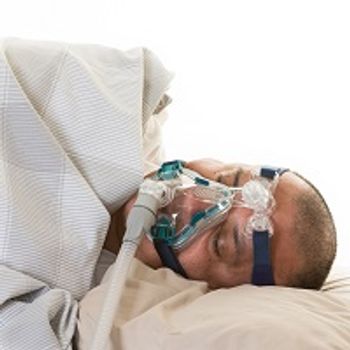
A new international study has found patients with spinal cord injuries were 7 times more likely to be fatigued and more than 3 times more likely to have sleep apnea than their able-bodied counterparts.
A new analysis of nearly 500,000 Chinese patients found insomnia symptoms were associated with an increased risk of cardiovascular and cerebrovascular disease.


Taha Qazi, MD, summarizes his research presented at ACG 2019 comparing objective sleep parameters in minority IBD patients compared to Caucasian IBD patients.
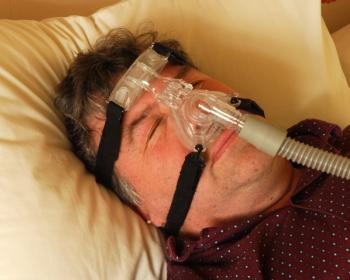
A study presented at AAO 2019 revealed that obstructive sleep apnea could be a risk factor for diabetic macular edema and refractory diabetic macular edema.

Investigators find zolpidem effectively reduces suicidal ideation, particularly for patients suffering from severe insomnia symptoms.

More than 90% of those surveyed report poor sleep quality impacts the next day negatively.

By doubling the recommended weekly dialysis, patients see a number of benefits, including a reduction in blood pressure and improvements in cardiovascular vibration.

At the annual HFSA meeting, investigators explain how obstructed sleep apnea and central sleep apnea drive cardiovascular disease.
A recent analysis that included data on 284 patients found that more than 80% of patients with resistant hypertension also had obstructive sleep apnea.

Obstructive sleep apnea has been consistently underdiagnosed in US populations. Are screening methods enough?

Addressing the drivers of poor sleep conditions is among the many ways a physician can treat patients without prescription.
How a pattern of poor sleep could begin a cycle of worsened respiratory and cardiovascular health.

Benzodiazepines are a common yet not very well understood drug class for elderly patients with insomnia.
From yoga to over-the-counter drugs, numerous options are available for the sleep condition.