






























































Investigators contribute more detailed understanding of the association between sleeping disorder and cardiovascular event risks.
Investigators contribute more detailed understanding of the association between sleeping disorder and cardiovascular event risks.
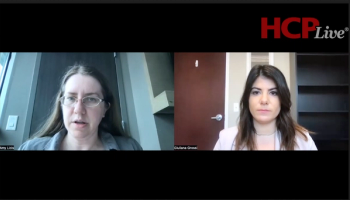
Sleep issues are prevalent among children with autism or ADHD and both these common disorders are increasing. Any provider working with children is most likely going to encounter patients struggling with sleep.
Late-breaking data from SLEEP 2022 show there may be biological plausibility for cardiovascular risks in excessively sleepy individuals.
The study from SLEEP 2022 is the first to explore directionality of sleep-stress relationships in a sample of perinatal women.
Even after controlling for differences in age and BMI, investigators observe a greater burden of sleep health on those who had severe COVID-19 versus the general population.

Today in a late-breaking abstract from SLEEP 2022, data showed the reduction of slow wave activity in unmedicated adolescents with depression.
Investigators observe an increased risk of dream enactment among specific subgroups of veterans with trauma.
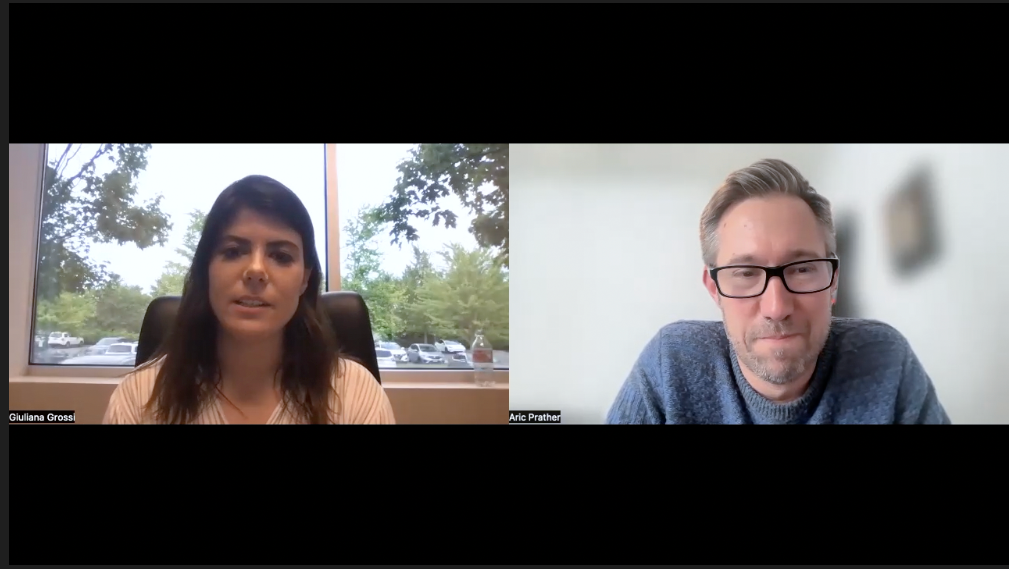
Dr. Aric Prather and his team at UCSF are running a large study that began in March 2021 which follows healthy individuals through the COVID-19 vaccination and booster process.
Data from SLEEP 2022 suggests children with OSA may have faced worse psychosocial burden during the pandemic.
The findings presented at SLEEP 2022 differ from previous studies that evaluated the objective-subjective sleep patterns of this population.
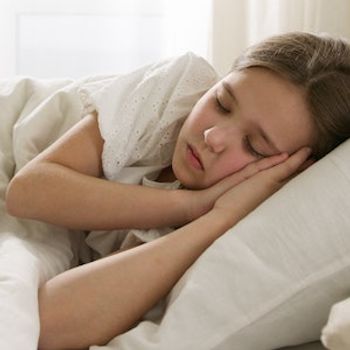
A new study from SLEEP 2022 showed asthmatic children have a 10 times greater risk of the condition, and are twice as likely to have a history of snoring.
New SUNRISE 2 data show a subjective, dose-dependent, and disease severity-dependent benefit with the insomnia therapy.
Sleep expert Aric Prather, PhD, presented a discussion at SLEEP 2022 that focused on how the immune system and sleep are related to the "ongoing and protracted" impact of the COVID-19 pandemic.

The FDA-approved sleep agent was associated with ≥5% weight loss in more than one-quarter of patients in a phase 3 trial.
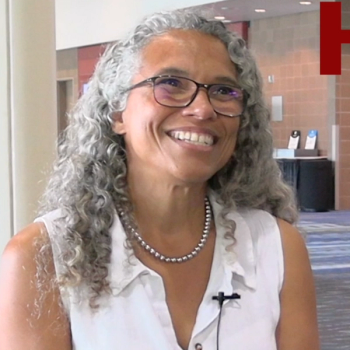
Gina Poe, PhD, discusses the potential role of beta blockers in treating psychiatric illness-related sleep, as well as the specific benefit of melatonin.
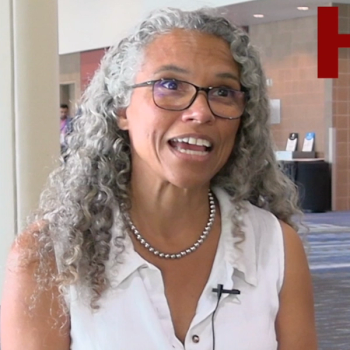
The UCLA-based investigator discusses the unique impact of PTSD on patients' sleep stages, and how they can limit their insomnia.
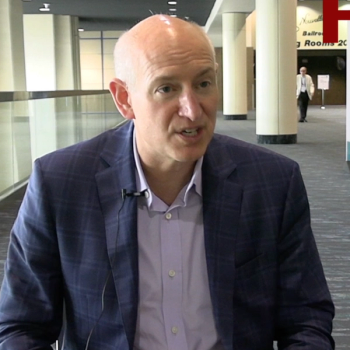
Dementia and Alzheimer's disease cases are anticipated to boom in coming decades. One expert stressed the need for improved screening and facilitation of care at the earliest stages and signs.
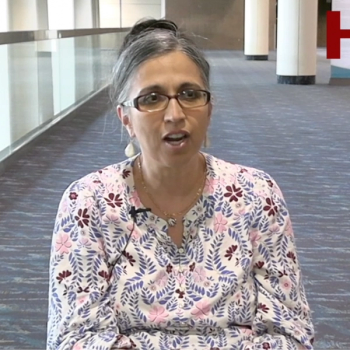
Linda Chokroverty, MD, discusses the role psychiatrists play in managing the mental health effects of disasters, and how children specifically may be impacted.
Dupilumab is the first treatment in the US indicated for adults and pediatric patients over 12 years with EoE.

Results from the 2 APPaRENT trials suggest regular inhaled corticosteroids/LABA alone or with short-acting beta agonists were the preferred treatment approach with physicians.
The new study provides insights into the physiological factors for greater AtoOxy efficacy and can be referenced when identifying patients who are most suited for the therapy.
Patients with a positive family history of OSA tended to be female with more severe OSA based on a higher AHI.
Obstructive sleep apnea has previously been associated with pulmonary hypertension in literature, with investigators citing a “complex and bidirectional relationship” between the 2 conditions.

Investigators from this ATS session suggested THN therapy could be used to treat OSA, believing in to be “a simpler approach than incumbent technology with no sensor and an easier, proximal electrode implantation”.
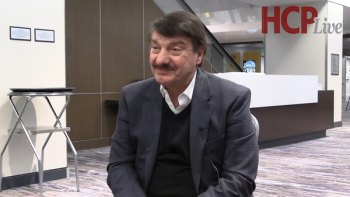
Dr. Rizzo sits down with HCPLive to discuss the impact of air pollution and allergies on pulmonary health, as well as new research on pulmonary arterial hypertension.