





Sleep
Latest News
Advertisement
Latest Videos




CME Content




























































Advertisement
More News

Children and adolescents with autism spectrum disorder have less physical activity, longer sleep latency, shorter total sleep time, and lower sleep efficiency than their peers without autism.
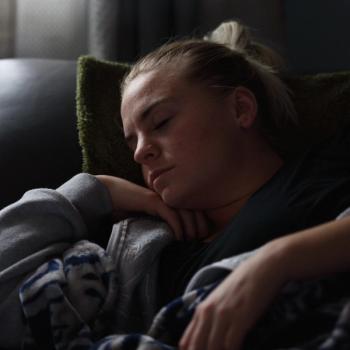
In a new study, 50% of adolescents admitted into a psychiatric hospital screened positive for insomnia.

When cognitively healthy older adults performed a road test when taking a medicine with adverse effects, 35% of participants received a marginal/fail rating.
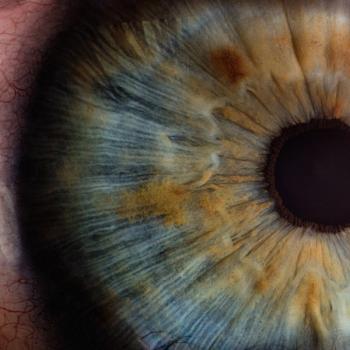
Results from a cross-sectional analysis of NHANES data found a short sleep duration was associated with an increased risk of early AMD.

A proof-of-concept trial shows a program that addresses sleep pressure, circadian rhythm and hyperarousal in adolescents and young adults receiving mental health care is promising.

The study presents a machine learning algorithm utilizing ECG data during CPAP titration that can effectively forecast sleep apnea events.

Certain craniofacial measurements identified by lateral cephalograms exhibit notable variations in patients with obstructive sleep apnea, providing potential indicators for early diagnosis.

Results show 60% of the children with FASD experienced nightmares, while 44% exhibited frequent insomnia symptoms.

Knowing how patients with different endotypes respond to CPAP therapy can help physicians predict treatment efficacy and tailor individualized treatment plans, according to results.

Sleep quality and the absence of sleep apnea may play a crucial role in preserving cognitive function over time, emphasizing the significance of addressing sleep disturbances for overall brain health.

Investigators systematically review data to further understand the relationship between sleep and PTSD as it impacts treatment outcomes.

Disrupted sleep is prevalent among children and adolescents with Down syndrome and prompt diagnosis and management of the condition are crucial to ensure optimal health and well-being in this population.
The American Academy of Sleep Medicine revised the guidelines for REM sleep behavior disorder for the first time since 2010.
Reports from the intervention group show decreased alcohol-related problems, mediated by the change in insomnia severity following treatment.
The investigative team observed a U-shaped relationship between sleep duration and incident diabetes, with the greatest risk when sleep duration was ≥10 hours per day.

These positive outcomes are promising for individuals struggling with narcolepsy, as they provide hope for improved management of their condition. However, Harsh says oxybate therapy is not for everyone.
The next step for investigating sodium oxybate is to examine the safety and efficacy with other sleeping populations, primarily, hypersomnia.

In recent years, the field of endophenotyping has garnered significant attention in sleep health, signaling a growing recognition of the need to move beyond simplistic measures.
Lemborexant was statistically similar to placebo on both day 1 and day 8 for any group in latency to persistent sleep, but superior in sleep efficiency and wake after sleep onset.
Patients participating in the open-label extension trial had a few months for titration, more than 24 months for stable dosing, and a one-week follow up.
“How can we use these data to harness the power it has to do a better job of predicting clinical outcomes and looking at treatment responsiveness?” Dr. Reena Mehra asks.
The possibility that sleep apnea could be one of the unrecognized factors exacerbating the growing rates of AF emphasizes the necessity of awareness, screening, diagnosing, and treating sleep apnea.

CCDC3 has shown to repress inflammatory activity of TNF-alpha, a cytokine postulated involved in sleep regulation and MARCHF1 has shown to inhibit cellular insulin sensitivity and promotes NF-KB, with degree of activation positively correlating with OSA severity.

Sleep fragmentation in obstructive sleep apnea is measured by the number of EEG arousals per hour of sleep but new data from SLEEP 2023 dive deeper into the intensity of arousals.

The results of the study presented at SLEEP 2023 were statistically significant, but not clinically meaningful.
Advertisement
Advertisement
Trending on HCPLive
1
FDA Approves Obinutuzumab (Gazyva) for Idiopathic Nephrotic Syndrome
2
The Case for Routine Kidney Screening, With Pranav Garimella, MBBS, MPH
3
Hereditary Angioedema Triggers, Prodromes Mapped in US HAEA Registry
4
Weekly Insulin Efsitora Alfa (Onswik) Gains FDA approval for Type 2 Diabetes
5