































































While investigators acknowledged the need for more high-quality, large-scale trials, cognitive behavioral therapy (CBT) serves as a promising intervention for insomnia in patients with cancer.
While investigators acknowledged the need for more high-quality, large-scale trials, cognitive behavioral therapy (CBT) serves as a promising intervention for insomnia in patients with cancer.
Previous smaller studies have suggested a link between sleep disorders and dementia.

MBTI was effective in reducing sleep onset latency discrepancy but not wake after sleep onset discrepancy.
Patients with obstructive sleep apnea who sleep between 22:00 PM and 5:59 AM had higher incidences of acute myocardial infarction and chest pains, a new study observes.
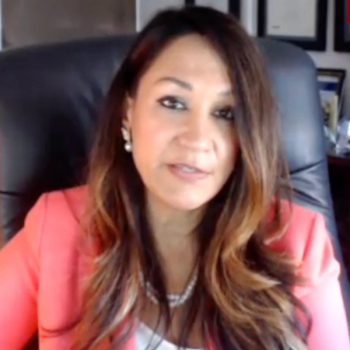
Reena Mehra, MD, MS, reviews telling signs, the role of obesity, and the importance of proper testing for sleep apnea.

A larger circadian photoreceptor responsivity was significantly linked to a later dim-light melatonin onset in light drinkers.
The Cleveland Clinic Director of Sleep Disorders Research navigates the complexities of OSA presentation, progression, management and eradication with the Lungcast team.

Patients who use cannabis for physical health and mental health had poorer health and mental health compared to those in the non-medicinal cannabis use only group.
During follow-up, 2.6% of the patients were diagnosed with depression, while 32.1% were treated with antidepressants.

There was a positive correlation between parental burnout, emotional schemas, and insomnia or hypersomnia.

The relationship between hours of electronic device use and psychological distress was not mediated by insomnia.

Cannabis sleep aid use was also linked to increased cannabis dependence symptoms among students using cannabis over 1 year, as well as past-2-week binge drinking among students using alcohol and lifetime cigarette use.

Benzodiazepines, eszopiclone, zolpidem, and zopiclone had higher efficacies than melatonin, ramelteon, and zaleplon for insomnia disorder.
The efficacy of treating insomnia sustained throughout the 24-week postintervention follow-up period for the electroacupuncture treatment group.
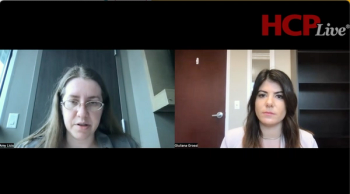
Pediatric neurologist and sleep expert Dr. Amy Licis shares available methods to consider when treating a pediatric patient with sleep issues or sleep disorders accompanied by autism or ADHD.
Investigators suggest confronting sleep difficulties among patients with suicidal ideation through cognitive behavioral intervention could reduce effects of affective reactivity to interpersonal events.
Previous research has suggested that breathing sounds could be regarded as potential biomarkers for OSA, which could be recorded via the microphones found in most smartphone devices.
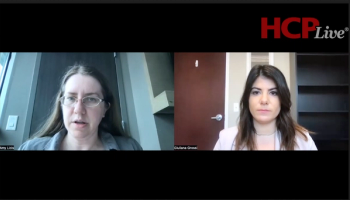
Dr. Amy Licis details the signs and symptoms of restless leg syndrome and how to identify it from other causes of sleep issues.
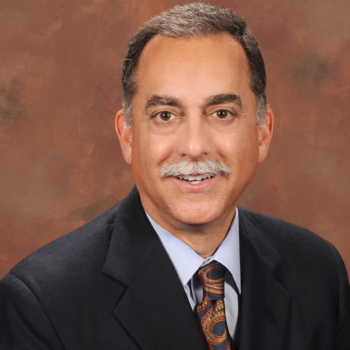
National prescribing cohort data suggest clinicians buck against the recommended use of the antidepressant.

A look into the top discussions on the management of obesity at the 2022 OMA Spring Meeting, from new agents to treating special populations.
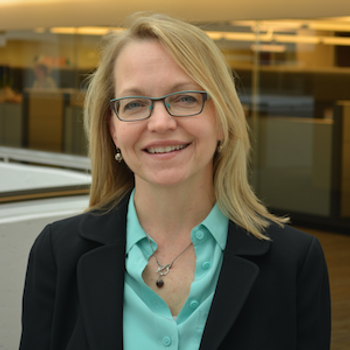
Dr. Aric Prather discusses the pandemic, his research, and his presentation from SLEEP 2022 "Sleep in the Time of COVID: An Update on How Sleep Affects the Immune System".
New data suggest race and ethnicity, income, education, rural vs urban residence, and living in a food desert all were independently associated with poor diet quality.
Dr. Auriemma examines recent paradigm shifts in obesity care, from new pharmacotherapy options to the important role of stakeholders in reducing rates.
A team of investigators observe notably improved health care cost savings among patients who initiated care more than a year prior to those who haven't at all.
While there's evidence that blue light exposure can impact an individual's circadian system, Dr. Aric Prather explains that technology is only one factor of the complex issue.