






























































New research into distal pancreatectomies indicates that women and overweight patients have an elevated risk of suffering endocrine function impairment that leads to glucose intolerance and diabetes mellitus.

A first-in-human Food and Drug Administration (FDA)–regulated phase 1 safety study of subcutaneous infiltration of sodium channel blocker Neosaxitoxin (NeoSTX) with bupivacaine produced long-lasting anesthesia but no serious adverse events, according to a study in Anesthesiology.
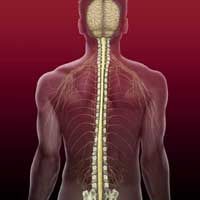
Using Transplanted Olfactory Mucosa Cells in Spinal Cord Injury Surgeries

Dabigatran Is an Effective Alternative to Warfarin in Elderly Patients
New research into distal pancreatectomies indicates that women and overweight patients have an elevated risk of suffering endocrine function impairment that leads to glucose intolerance and diabetes mellitus.
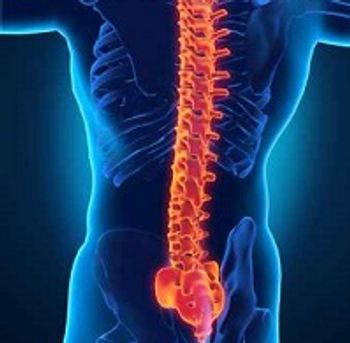
Older spinal cord injury patients are less likely to get surgery than younger patients with the same injury, according to research published in the Canadian Medical Association Journal.

Americans undergo approximately 90,0000 ventral hernia repairs annually. Those who contract methicillin-resistant staphylococcus aureus infections face a difficult course, and clinicians often struggle to eradicate this tenacious infection.

With migraines more than twice as prevalent in patients with carpal tunnel syndrome as in those without, it is clear there is a link between carpal tunnel syndrome and migraine.

The US Food and Drug Administration has warned physicians that it may be dangerous to use a device known as the Lariat to close the left atrial appendage in patients with heart arrhythmias.

New antivirals that can cure hepatitis C infection have changed more than patients' prognoses. MD Magazine interviewed a liver transplant specialist, a transplant recipient, a patient cured by the new antivirals, and their physicians.

What factors must be considered to ensure optimal management of perioperative cardiac arrest in the cardiac surgery patient?

New research may help explain the connection between exocrine pancreatic insufficiency, gastric bypass surgery, and oxalate nephropathy in humans.

Two major changes in opioid dispensing that were placed into action in 2010 have made significant impacts on the prescription drug abuse epidemic.

A recent study looked into the neural functions affected by ibuprofen and found some connections that may soon lead to a much greater understanding of the greatest pain mitigator of them all: the brain.

Patients who suffer from migraine headaches may find relief in the severity, frequency, and duration with the help of 2 procedures.

Researchers have shown that the tendency of atrial fibrillation to impair cognitive function stems, at least in part, from a reduction in blood flow to the brain.

Patients coming out of surgery face a variety of risks even when the operation is done. A group is looking into a new device that can help with patients undergoing abdominal surgery to detect ileus after going under the knife.

The internet can be an endless source of information for patients looking to learn more about their conditions and possible treatments and surgical options. Whether those sources provide the help needed is another issue for healthcare professionals to tackle.

Autoimmune hepatitis has only been known in its current form for around 20 years meaning there is still much to be learned about the condition.
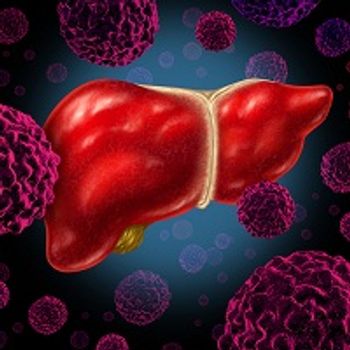
Survival rates and other outcome measures for liver transplant from a living donor compare favorably with transplants from deceased donors.

Post-mastectomy neuropathic pain can be reduced in nearly one-third of women if the right assessments are completed.
Bruce Jenner's transformation into Caitlyn Jenner is global news. It's a good time to discuss gender issues--but how?

Results from 2 trials presented at the recent Heart Rhythm Society meeting suggest that 2 alternative ablation technologies work about as well as those that are commonly used on patients with atrial fibrillation.
Holding family meetings when patients are in intensive care can benefit patients, family, and caregivers. A research team reports on the electronic templates it is developing to keep records of what happens in those meetings.
The primary objectives of treating acute ischemic stroke are to prevent death and limit functional disability. Similar to acute myocardial infarction (AMI), timely reperfusion using systemic thrombolysis has been shown to improve outcome of acute stroke, namely functional neurologic recovery, but not mortality. But unlike AMI, the role of intra-arterial or endovascular therapy in acute stroke has not been clearly established.

Antimicrobial stewardship programs are becoming more popular across the country, particularly in larger facilities. A recent push has worked to extend that effort into small hospitals and outpatient facilities as well.

For many years the dangers of opioid addiction have been well known. Taking the steps needed to reverse its impact has been slower in taking hold across the country.

A case study published in the Journal of Medical Case Reports about one patient with syringomyelia demonstrated the common confusion about diagnosing this disease.

Interventional pain management-the field of helping patients with acute or chronic pain without doing major surgery--is a both a growing specialty and one that is under assault. As the annual meeting of the American Society of Interventional Pain Physicians got underway in Orlando, FL today, group leaders outlined the organization's political agenda.