





























































Even the most severe cases of congenital heart disease can be treated to a level where they can safely navigate high risk pregnancies.
Even the most severe cases of congenital heart disease can be treated to a level where they can safely navigate high risk pregnancies.

Researchers reported that reawakened astrocytes appear to be a key trigger for S1 cortex (the remote region of the brain that is not directly affected by spinal cord injury) circuit rewiring and may contribute to sustained neuropathic mechanical allodynia.
The history of botulinum toxins dates back hundreds of years. What it can mean for the future of medicine and what conditions it can help in the future remains to be seen.

As with many parts of medicine guidelines are constantly being updated across a variety of specialties. The American Academy of Neurology recently released new guidance on how and when to use botulinum toxin in patient care.
The field of obstetrics and gynecology is constantly moving forward including new treatments for conditions like fibroids as well as work on new surgical treatments like uterine transplants. All these changes can present a wide range of challenges for health care professionals who work in this area of medicine.
As fibroids become a more common problem facing doctors and patients new treatment methods are being developed to address it. From new medications to various procedures these can allow patients to get the care they needed without affecting their quality of life as much as previous choices may have.
As the risk of a stroke increases with age so does the importance of monitoring patients over the course of their later years.

Rising healthcare costs are at the forefront of the national conscience.

Study results confirm that anxiety and depression before surgery can significantly influence the amount of pain a patient feels after surgery, adding to the evidence that the subjective experience of pain is worth considering, both before and after a pain intervention.
There are many ways patients can better manage their cholesterol than they could just a few years ago. Whether they are successful in those efforts and the role of doctors and medications in that process remains to be seen.
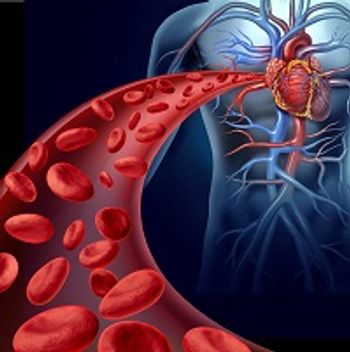
A large study found no need for transesophageal echocardiography in atrial fibrillation (AFib) patients who use novel oral anticoagulants for at least 4 weeks before undergoing catheter ablation.
Even as technology improves to help patients dealing with cardiovascular disease, those responsible for the procedures also must consider providing treatment while weighing the costs of that work.
As doctors have more tools to treat patients with high cholesterol the American College of Cardiology released a new consensus statement to give guidance on potential best practices for non-statin therapies like PCSK9 inhibitors.
At the 2015 meeting of the American College of Cardiology PCSK9 inhibitors like Praluent were moving closer to approval but were not there yet. Since then they have been approved and begun to be introduced to the public.
As Xarelto is used in practice by more doctors researchers at Janssen Pharmaceuticals are getting a better sense of its efficacy beyond the extensive clinical trials it underwent.
For those how enter the field of genetic testing there are many challenges along the way, starting with finding the right training program through using that training in very difficult situations.

Hopes that losmapimod would benefit patients after a STEMI heart attack were not borne out by a study reported today at the American College of Cardiology's meeting in Chicago, IL.
For certain late stage abdominal cancer patients a specialized procedure called hyperthermic intraperitoneal chemotherapy can provide a "new lease on life," as a specialized treatment method.
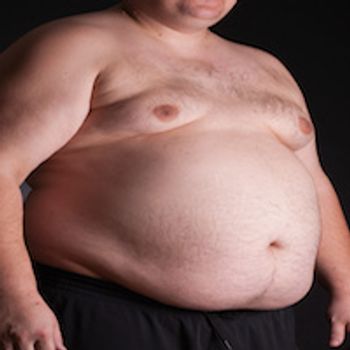
Although generally the most effective intervention for morbid obesity, bariatric surgery does not result in predictable weight loss patterns.
Despite a considerable gap between the number of patients who require a transplant and the number of organs available those patients fortunate enough to receive the lifesaving organs are seeing greater success from the procedure.
There is no shortage of people in need of a kidney transplant but a considerable shortage in the number of organs available to these patients. Despite that health care professionals in nephrology are determined to provide their patients the highest quality of life possible in spite of these challenges.
The treatment of pancreatitis has taken great strides in recent years including the ability to help patients through non-surgical options.
As with all areas of health care money is an important consideration for hospitals and other medical research institutions. Finding the most effective way to spend money to get the best results can be a difficult balancing act across the board.

While technology has come a long way in recent years for operations on the thyroid some patients either may not qualify for robotic surgery or may prefer the more traditional options for their own personal reasons.
In the past when patients underwent an operation for thyroid surgery or another thyroid related condition one of the concerns they had was scarring in the area of the operation. Thanks to advances in robotic technology that issue can be minimized or even eliminated completely.