






Allergy
Latest News
Advertisement
Latest Videos







CME Content




























































Advertisement
More News

In this video, part 4 of a 5-part series, panelists discuss gaps in clinician education regarding food allergies and anaphylaxis.
In this video, part 2 of a 5-part series, panelists discuss unmet needs in pediatric food allergy research and clinical care.
In this video, part 1 of a 5-part series, panelists discuss on recent advancements in pediatric food allergy and anaphylaxis management.

Tezepelumab significantly reduced nasal polyp severity in CRSwNP patients during the phase 3 WAYPOINT trial, lowering the need for surgery by 92%.

At AAAAI 2025, HCPLive spoke with Craig about recognizing and treating hereditary angioedemia.

Cianferoni discusses how pollen food allergy syndrome contributes to eosinophilic esophagitis (EoE) and potential management strategies.
At AAAAI 2025, Cianferoni described molecular mechanisms of pollen food allergy syndrome.

Omalizumab-igec is approved in 2 formulations for the treatment of moderate to severe persistent asthma, CRSwNP, IgE-mediated food allergy, and CSU.

HCPLive spoke with Anagnostou at AAAAI on how to determine what food allergy treatment patients should undergo.

At AAAAI, Golden discussed when to test for insect sting allergies, the role of venom immunotherapy, and the potential impact of epinephrine nasal spray.
This February 2025 month in review covers key updates in allergy, including advancements in immunotherapy and new insights on food allergy desensitization.
At AAAAI 2025, David Golden, MD, discussed when to test for insect sting allergies, the role of mast cell disorders, and updated guidelines for all ages.
HCPLive spoke with Golden at AAAAI on the pitfalls of diagnosing all patients with insect stings for insect sting allergies.

HCPLive spoke with Lam at AAAAI about how allergists should establish endoscopic sinus surgery expectations with patients regarding risks and benefits ahead of the operation.

A phase 2 trial found that 100% of children on peanut oral immunotherapy tolerated 9043 mg of peanuts, vs 10% in the avoidant group.
Phase 2 data from AAAAI 2025 shows peanut oral immunotherapy boosts desensitization in children with high-threshold peanut allergy, enabling safe meal-size peanut consumption.

Although omalizumab demonstrated superiority over oral immunotherapy, the treatments had comparable effectiveness when excluding dropouts from the analysis, Wood said at AAAAI.
A Johns Hopkins study presented at AAAAI 2025 found omalizumab was more effective than oral immunotherapy for food allergies, with fewer dropouts due to adverse events.

Climate change is increasing pollen and tick-related allergies, said Scott Commins, MD, PhD, at AAAAI 2025.

A study found that oral physiological changes from allergen exposure in Oral Allergy Syndrome do not alter Anaphylm’s pharmacokinetic or pharmacodynamic profiles.

At AAAAI 2025, HCPLive spoke with Mahdavinia about how climate change impacts allergies.

HCPLive spoke with Cohen about how patients with a peanut allergy responded to oral immunotherapy with autoclaved peanuts.

HCPLive spoke with Nyenhuis at AAAAI 2025 about ways to help patients with allergies despite the growing pollen seasons.

HCPLive spoke with Warren at AAAAI 2025 about a pilot study showing allergen-free food subscriptions reduced healthcare use but lacked significance.
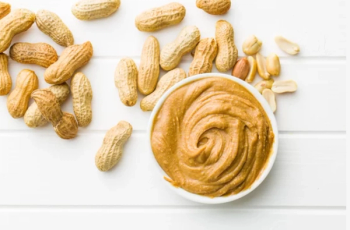
Stallergenes Greer announced that Palforzia is now available for children under 4 years old with a peanut allergy, which follows the extended indication approval in July 2024.
Advertisement
Advertisement
Trending on HCPLive
1
The Case for Routine Kidney Screening, With Pranav Garimella, MBBS, MPH
2
FDA Approves Obinutuzumab (Gazyva) for Idiopathic Nephrotic Syndrome
3
What The FDA Psychedelic Hearing Means for Psychiatrists
4
The HCPFive: Top News for Healthcare Providers from the Week of 09/20
5