

Allergy
Latest News

Advertisement
Latest Videos




CME Content




























































Advertisement
More News

Chang explains the importance of collaboration between gastroenterologists and allergists in EoE care and praises recent ACG guidelines on disease management.
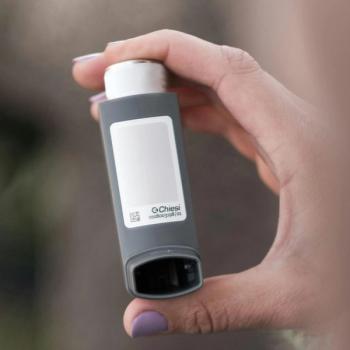
Although limited, recent research has indicated overall positive results of dupilumab in both reducing severe exacerbations and lowering risk of control loss.

New research has indicated increased food tolerance thresholds and desensitization from omalizumab and other biologics in comparison to placebo with no serious adverse effects.
With the FDA acceptance of the NDA, the agency has assigned a PDUFA target action date of January 31, 2026, and may require an Advisory Committee meeting for approval.
The monoclonal antibody garadacimab-gxii offers once-monthly, citrate-free dosing to prevent hereditary angioedema attacks in patients aged ≥ 12 years.

This interview with Singh highlights her conference presentation on allergy and its connection to pediatric atopic dermatitis.

A recent study reveals no link between cesarean delivery and childhood allergies, challenging previous findings and highlighting Japan's unique health context.

New data support the “two-hit” hypothesis: early allergic sensitization plus respiratory infections may impair lung function into adulthood, up to age 25 years.

Lyra Therapeutics announced LYR-210 met primary and secondary endpoints in phase 3 ENLIGHTEN 2, improving CRS symptoms and showing strong safety.

Stay updated with the latest healthcare breakthroughs, including FDA approvals and new treatment guidelines, in this week's essential news roundup.

Female sex, CRSsNP, prior sinus surgery, and allergies are linked to worse postnasal discharge in chronic rhinosinusitis, a recent study found.

All surgical options for rhinitis, including turbinate and posterior nasal nerve procedures, significantly reduce congestion, rhinorrhea, and other symptoms.

New clinical guidelines offer 11 key actions for managing chronic rhinosinusitis, guiding surgery decisions, and improving patient care.


A recent study validated an online tool’s ability to accurately predict peanut allergy; the basophil activation test was the top performer, especially when paired with Ara h 2-sIgE.

A new study identifies GDNF, IL-18R1, and IL-15RA as key biomarkers in seasonal allergic rhinitis, linked to symptom severity and immune pathways.
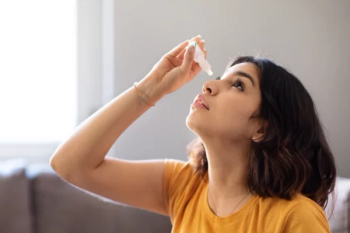
A new study found ocular allergy affects 49.3% of students aged 11–18 years in Trinidad and Tobago—greater than in the US, Sweden, Brazil, and Uganda.

Only 50.3% of physicians consistently manage drug hypersensitivity. Study urges mandatory training, better protocols to improve patient safety.
The allergy medications of cetirizine or levocetirizine have led to pruritus in some patients who stopped using the medications after using them daily for a few months or years.
Stay updated with the latest healthcare breakthroughs, including weight loss treatments, pediatric therapies, and FDA approvals shaping the future of medicine.


A study reveals CoMiSS effectively monitors symptom improvement in infants with cow's milk allergy during elimination diets, guiding dietary adjustments.
FDA accepts BioCryst’s NDA for berotralstat oral granules in kids with HAE; priority review granted. Approval could bring first oral prophylactic for kids aged <12 years.

These data compare the characteristics and trends of anaphylaxis caused by goat and sheep’s milk allergies with those of cow’s milk and peanut allergy.
Advertisement
Advertisement
Trending on HCPLive
1
The Case for Routine Kidney Screening, With Pranav Garimella, MBBS, MPH
2
FDA Approves Obinutuzumab (Gazyva) for Idiopathic Nephrotic Syndrome
3
What The FDA Psychedelic Hearing Means for Psychiatrists
4
The HCPFive: Top News for Healthcare Providers from the Week of 09/20
5