

Part 4 highlights how expanding epinephrine delivery options can reduce barriers, support earlier administration, and improve real-world anaphylaxis outcomes.
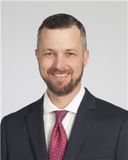
Brian Schroer, MD, is an allergist-immunologist at the Cleveland Clinic Children's Hospital.
Part 4 highlights how expanding epinephrine delivery options can reduce barriers, support earlier administration, and improve real-world anaphylaxis outcomes.
In this segment, experts emphasize the importance of giving an infant experiencing anaphylaxis epinephrine at whatever dose may be available rather than delaying treatment.
In the second part of the special report, panelists delink epinephrine use from mandatory emergency department visits.
In the opening segment of this special report, panelists discuss updated anaphylaxis guidelines and early management priorities.

One year after neffy's approval, 4 clinicians and 1 PharmD examine its continuing impact on the field.
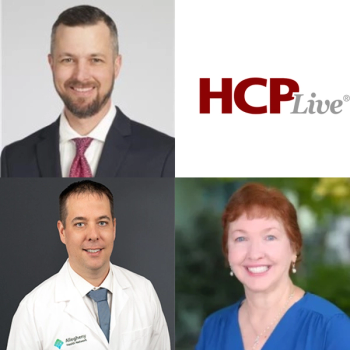
In this video, part 5 of a 5-part series, panelists discuss emerging innovations in food allergy and anaphylaxis research poised to reshape clinical practice.
In this video, part 4 of a 5-part series, panelists discuss gaps in clinician education regarding food allergies and anaphylaxis.
In this video, part 3 of a 5-part series, panelists discuss on how needle-free epinephrine and evolving therapies are reshaping food allergy management.
In this video, part 2 of a 5-part series, panelists discuss unmet needs in pediatric food allergy research and clinical care.
In this video, part 1 of a 5-part series, panelists discuss on recent advancements in pediatric food allergy and anaphylaxis management.

February 11th 2026
February 11th 2026
February 11th 2026
February 11th 2026
