


Allergy
Latest News


FDA Committee Votes in Favor of Intranasal Epinephrine for Severe Allergic Reactions Including Anaphylaxis
By Tim Smith
Advertisement
Latest Videos





CME Content




























































Advertisement
More News

IgE-mediated children with cow’s milk allergies switching from amino acid-based formula to a new formula showed strong tolerance and better acquisition of immune tolerance, suggesting other studies combining treatments may be useful.

In this interview segment, Fleischer further described some of the key points about the peanut immunotherapy patch, DBV712, and the product’s phase 3 VITESSE trial.
In his interview, Fleischer discussed the beginning of a new phase 3 trial for a peanut immunotherapy patch known as DBV712.

New research into allergic disease examined changes over time as well as the characterization of remission versus continued disease.

New data expands upon the growing perception that allergenic food introduction early in a child’s life may lessen the possibility of allergy developments.

A novel allergen and immunotherapy adherence and persistence checklist was developed to allow for more insight into adherence and to open this information to prescribing clinicians.

This research letter highlighted the results of an allergy work-up and of vaccinations for COVID-19 in patients with a suspicion of mRNA vaccine hypersensitivity.

New data on peanut allergy and Pediatric Quality of Life Inventory scores sheds light on the burden of allergy on adolescents.

The treatment is a first-in-class peptide derived from mTB Chaperonin 60.1 that is often involved in resetting the immune system. The treatment is being evaluated in patients with eosinophilic esophagitis and allergen sensitivity.
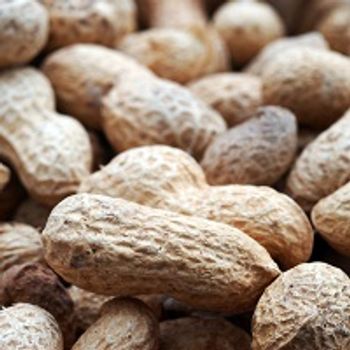
A research letter highlighted recent findings that iREACH educational intervention training may be helpful in preventing peanut allergies.

“These findings are exciting for us, and our overarching goal is to develop microbial biotherapeutics to treat food allergies," Mustafa Özçam says in an interview with HCPLive.

Practicing oral hygiene improves health issues from gum disease to cardiac disease, and Lebovic believes nasal hygiene can have that impact as well.

"The anticipation would be–wash your hands, brush your teeth, clean your nose–and allow that process to help the patients who suffer from allergy symptoms," lead investigator Dr. Arman Kalmakarian says.

In another interview segment, Castells discussed the safety profile of avapritinib for indolent systemic mastocytosis, as well as future research.
In another interview segment, Castells went further into depth regarding the PIONEER trial results and regarding avapritinib’s effect on mastocytosis.
New data from AAAAI was described by Castells, who explained some of the background of the recent PIONEER trial on avapritinib for mastocytosis patients.

In a recent letter to the editor, a newly-developed tool to assess one’s satisfaction with life when dealing with food allergy was introduced.

A recent study reviewed several educational interventions designed to promote food allergy literacy and knowledge for both parents and children.

At the AAAAI 2023 Annual Meeting, Dr. Debajyoti Ghosh explains the importance of understanding the effect of phthalates, specifically di-2-ethylhexyl phthalate (DEHP).
Data from AAAAI 2023 suggests that gut microbial composition, function, and metabolic activity are implicated in the efficacy of peanut oral immunotherapy in children with peanut allergy.

Data shown at the AAAAI annual meeting showed that chronic spontaneous urticaria activity and DLQI rankings were higher following dupilumab treatment.

Data presented at the AAAAI annual conference showed that delayed cutaneous reactions were more reported following Moderna COVID-19 vaccination than other vaccines.

New data presented at the AAAAI annual meeting showed that a significant number of patients recommended to be evaluated for drug allergy never completed their diagnostic tests.
Data presented at the AAAAI annual meeting showed that machine learning models had a high accuracy rate in penicillin allergy prediction, though researchers concluded that more data is needed before adoption.

In this interview segment at AAAAI, Altman went into a discussion on challenges to systems biology approaches for allergic disease.
Advertisement
Advertisement
Trending on HCPLive
1
The Case for Routine Kidney Screening, With Pranav Garimella, MBBS, MPH
2
FDA Approves Obinutuzumab (Gazyva) for Idiopathic Nephrotic Syndrome
3
Hereditary Angioedema Triggers, Prodromes Mapped in US HAEA Registry
4
The HCPFive: Top News for Healthcare Providers from the Week of 09/20
5