
Allergy
Latest News




Advertisement
Latest Videos









CME Content




























































Advertisement
More News

Researchers urge parents and doctors to take a closer look at the common disease and its possible more severe subtypes.

The newest findings show the TSLP inhibitor is beneficial over 52 weeks in patients aged 12-80 years old.
David I. Bernstein, MD of the University of Cincinnati College of Medicine discusses the recent approval of short ragweed pollen allergen extract tablet (RAGWITEK) for the treatment of children and adolescents.

Phase 3 open-label extension data suggest young patients may even improve skin clearance scores after a year on the biologic therapy.

An expert writes on the value of shared knowledge into the intricacies of allergic risks.

Recent data finds children treated for allergies with ≥14 consecutive days of corticosteroids experienced greater incidence rates than those not treated with a corticosteroid.

The monoclonal antibody was linked to significant improvements in endoscopic nasal polyp and nasal obstruction symptom visual analogue scale scores.

The approval expands the current sublingual tablet treatment indications to include children with a ragweed pollen allergy.
The approval of the sBLA means greater flexibility and reduced barriers in care during the pandemic.

fMRI imaging shows decreased functional connectivity within the frontoparietal network of affected patients.
ClearUp Sinus Pain Relief treatment was previously approved for allergy-related sinus and nasal congestion and allergy-related sinus pain.

Guidelines reflect updated guidance from the CDC and FDA.

Consideration of how immunotherapy may influence other allergic diseases, patient adherence options, and advancing assessment of peanut allergy options.
Younger patients are faring better, and for longer, with sublingual immunotherapy. A leading investigator discusses what more needs to be learned in the burgeoning field.

From interpreting currently-understood risks to managing isolation-induced indoor allergen exposure, asthmatics may have concerns they address with clinicians.

How dupilumab is observed to benefit EoE patients—and who may administer the biologic therapy.

In data presented during AAAAI 21, researchers compared the 2006 and 2016 versions of the diagnostic criteria proposed by the NIAD/FAAN.

Perspective on how the interleukin-targeting biologic has unique benefit for the rare, under-resourced disease.
Late-breaking data show allegic children as young as 1-4 years old may have sustained benefit from daily peanut protein exposure.

The adjusted allergy prevalence in recent years was 2.6% in infants who have been introduced to peanuts at 12 months.

Common positive effects includes help with sleep, less pain, and calming influence.
A discussion on continued research into the first regulated treatment for pediatric peanut allergy.
Pending FDA decision, the Viaskin Peanut patch would be considered for lengthier benefit studies.

The epicutaneous immunotherapy for peanut allergy is continuing discussions with the FDA. What is its potential in allergic care?
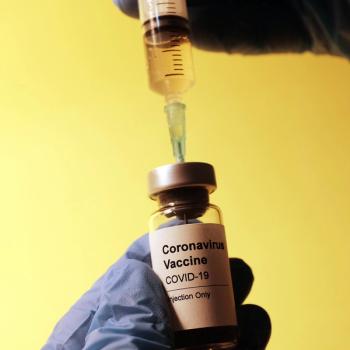
In the initial report, investigators find just 2.5 cases of anaphylaxis per million doses of the Moderna COVID-19 vaccine.
Advertisement
Advertisement
Trending on HCPLive
1
The Case for Routine Kidney Screening, With Pranav Garimella, MBBS, MPH
2
FDA Approves Obinutuzumab (Gazyva) for Idiopathic Nephrotic Syndrome
3
The HCPFive: Top News for Healthcare Providers from the Week of 09/20
4
What The FDA Psychedelic Hearing Means for Psychiatrists
5