



Allergy
Latest News

Advertisement
Latest Videos









CME Content




























































Advertisement
More News

A new survey shows patients and family members prefer telemedicine physician visits as much as they do in-person appointments—or even more so than the latter.

A 20-patient survey evidences the benefit of subcutaneous immunotherapy among patients aged 9-18 years old.

New findings from the phase 3 PALISADE and ARTEMIS trials show more than half of treated patients could tolerate 1000 mg peanut protein in a post-care food challenge.

The pivotal phase 3 findings are the largest to assess a systemic pediatric atopic dermatitis treatment, to date.

A new Mayo Clinic study has found that patients with microvascular endothelial dysfunction were more than twice as likely to be diagnosed with solid-tumor cancer than their counterparts without dysfunction.

After decades of development, researchers are nearing clinical trials for immune response-shifting vaccines. Will they be feasible for patients, and accepted by clinicians?
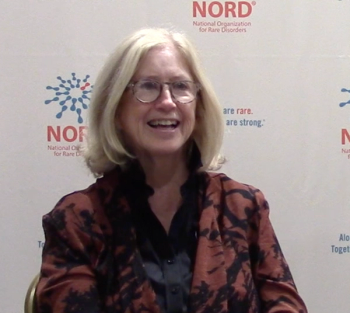
Moira Gunn, PhD, professor of bioentrepreneurship at the University of San Francisco, discusses the biggest hurdles those in healthcare face when looking to create new therapies for rare diseases.

Dawn Rotellini, COO of the National Hemophilia Foundation, discusses how recent policy changes seeking to improve access to and create new therapies for patients with rare diseases.

A review of novel drug approvals in 2018 found more than half of all novel approvals were for rare diseases and that 2018 also saw more novel drug approvals for rare disease than any other year.
Dawn Rotellini, chief operating officer of the National Hemophilia Foundation, discusses the important of including patient advocacy groups in annual meetings such as the NORD Summit.

A new analysis of an open-label extension study of the phase 3 PREVENT study is providing further evidence of the safety and efficacy of the treatment of the neuromyelitis optica spectrum disorder.

A new study presented at NORD Summit 2019 found rare disease is underrepresented in published literature and, more often than not, articles are not available in open-access journals.
Moira Gunn, PhD, professor of bioentrepreneurship at the University of San Francisco, discusses why it is important for primary care providers to keep up-to-date on rare disease developments.
Dawn Rotellini, chief operating officer of the National Hemophilia Foundation, discusses the impact recent advances in technology and changes in policy focusing on rare diseases have impacted the disease state of hemophilia.
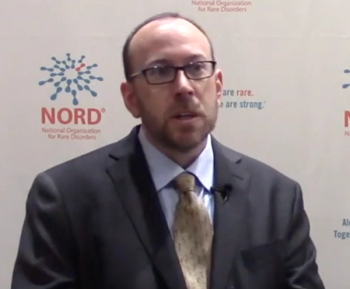
Lucas Kempf, MD, associate director of the FDA's Rare Diseases Program, discusses the impact of recent policy changes that center around increasing access to and creating new therapies for rare disease.
The indication expands the therapy to include newly diagnosed and persistent adults ITP patients who have had an insufficient response to therapy.

Following the ground-breaking LEAP findings in 2015, and updated clinical guidelines in 2017, there's a noted disparity of adherence among pediatric clinics.
New findings from the 12-week pivotal JADE MONO-1 trial show the JAK1 inhibitor's benefit in skin clearance and itch relief.
The United States Food and Drug Administration has accepted a BLA for Viaskin Peanut from DBV Technologies for the treatment of peanut-allergic children ages 4 to 11, which previously withdrew a BLA in 2018 after request from the FDA requested additional data on its manufacturing procedures and quality controls.

New phase 2b data shows the JAK1 inhibitor is beneficial for moderate to severe adult atopic dermatitis.

How new agents, improved study outcomes, and priority on diagnosis has bettered the state of dermatologic care.
From immunotherapy to biologics, the field of allergy pharmacotherapy is looking promising.
How can physicians and specialists navigate testing options and potential risk factors to ensure patients are diagnosed and treated expediently and accurately?
There has been significant changes in understanding surrounding food allergy testing. What do parents need to know?

After receiving FDA approval for add-on adult severe chronic rhinosinusitis with nasal polyps treatment this June, the biologic has reported significant improvement in 24- and 52-week outcomes.
Advertisement
Advertisement
Trending on HCPLive
1
The Case for Routine Kidney Screening, With Pranav Garimella, MBBS, MPH
2
FDA Approves Obinutuzumab (Gazyva) for Idiopathic Nephrotic Syndrome
3
What The FDA Psychedelic Hearing Means for Psychiatrists
4
The HCPFive: Top News for Healthcare Providers from the Week of 09/20
5