





Dyslipidemia
Latest News
Advertisement
Latest Videos






CME Content






















































Advertisement
More News

More than 90% of patients in hypertension and lipid management accomplished their predetermined goals after completing the remote program.

Every year, AHA Scientific Sessions provides clinicians and researchers with a glimpse into the latest data from clinical trials. Our editorial staff's top picks for late-breaking data from AHA 2021 Scientific Sessions includes AVATAR, RAPID CABG, REVERSE-IT, and more.
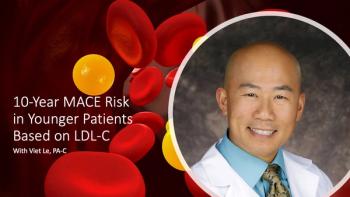
Viet Le, PA-C, discusses the results of a study he led from AHA 2021 examining 10-year risk of MACE among patients with an LDL-C from 160-189 mg/dL compared to those with an LDL-C below 160 mg/dL.

Deepak Bhatt, MD, MPH, discusses the results of the interim analysis of the REVERSE-IT trial presented at AHA 2021, which indicates bentracimab provided immediate and sustained reversal of ticagrelor's antiplatelet effects in patients requiring urgent surgery or experiencing major bleeding.

After 2 years, there was little difference in cognitive function between patients with nonvalvular atrial fibrillation receiving dabigatran or warfarin in the GIRAF trial, which was presented at AHA 2021.

Compared to patients who were statin tolerant, patients reporting statin intolerance had more than double the number of listed drug allergies or intolerances to other medications.

Epinephrine before defibrillation was associated with lower odds of survival to discharge, favorable neurological survival, and survival after acute resuscitation

The American College of Cardiology and American Heart Association guideline provides key highlights into the evaluation and diagnosis of adult patients with chest pain.

In the primary endpoint, patients with severe HF had a 20% risk reduction compared to no significant treatment benefit in patients without severe HF.

Proposed new guidelines recommended against low-dose aspirin use for primary prevention of CVD in adults age 60 years or older, citing adverse effects.

Differences in CV risk factors persisted between Black participants and White participants and may be due to social determinants of health.
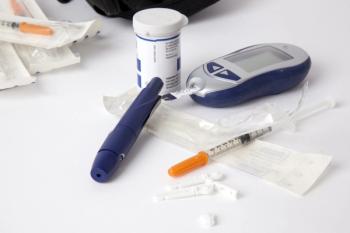
Using data from more than 80k matched pairs of statin users and comparators, investigators from UT Southwestern Medical Center found initiation of statin therapy was associated with an increased likelihood of diabetes progression, including risk of hyperglycemia and ketoacidosis.

An analysis of NHANES data presented at EASD 2021 suggests a return to a healthy weight in patients with obesity could result in reverse some of the cardiovascular risk associated with obesity, including high blood pressure and cholesterol disorders.

Data show the 20-year cumulative incidence of AVR was 3.4% in mild AS, 20.2% in moderate AS, and 54.6% in severe AS.

In patients with T2D without prior CVD, chronic kidney disease was the single risk factor associated with highest risk of MACE.

Announced on September 24, the approval is for use as an adjunct to diet and other LDL-C-lowering therapies for reducing LDL-C in patients aged 10 years and older with heterozygous familial hypercholesterolemia.

Hazard ratios for CHD included 1.57 for cumulative LDL-C level, 1.69 for TWA LDL-C level, and 0.88 for LDL-C slope.

No significant difference in mortality or stroke at 30 days or 1 year was seen in patients who underwent TAVR for bicuspid or tricuspid aortic stenosis.

The potential number of adults projected to be newly eligible for treatment had a range from 643,161 (LVEF, 41% - 50%) to 1,838,756 (LVEF, 41% - 60%).

Overall positive genetic test results for variants was 10.1% for patients diagnosed with AF before 66 years of age and 16.8% in patients diagnosed before 30 years of age.

Intensive systolic blood pressure control led to a large absolute difference in death and HF among patients with abnormal biomarker levels of hscTnT and NTproBNP.

Data show the outcome of all-cause mortality, MI, or stent thrombosis occurred in 5.3% of patients vaccinated against the flu and 7.2% of patients who were given placebo.

George Dangas, MD, PhD, discusses the results of ENVISAGE-TAVI AF and provides perspective into the priorities of investigators as they plan and conduct additional analyses of the trial.
Results of the TWILIGHT-Stent study provide insight into the impact of stent type on effects of ticagrelor monotherapy compared against ticagrelor plus aspirin among patients within the original TWILIGHT trial.

Investigators observed systolic blood pressure was lower by a rate of 6.9 mm Hg in the intervention group versus the control group.
Advertisement
Advertisement
Trending on HCPLive
1
eGFR Underestimates CKD in Patients with Cancer, Study Finds
2
The HCPFive: Top News for Healthcare Providers from the Week of 10/18
3
42% on Povetacicept Reach KDIGO-Aligned UPCR Target in RAINIER
4
Tegoprubart Improves Quality of Life vs Tacrolimus After Kidney Transplant
5