




Dyslipidemia
Latest News
Advertisement
Latest Videos


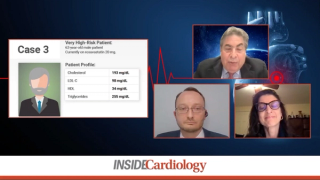
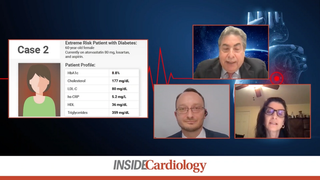

CME Content






















































Advertisement
More News

An analysis of more than 25,000 years of patient data details a U-shaped association between HDL-C levels and cardiovascular risk among adult men with high blood pressure.

On August 11, the American College of Chest Physicians (CHEST) released 44 new evidence-based recommendations in their new guidelines for perioperative management of antithrombotic therapy, which were published with the intention of replacing the 2012 guidelines on the subject.
After US-based data suggested cost as an inhibiting factor of ticagrelor use in older patients with ACS, an analysis of use in Canada details considerable variation in between-hospital levels of ticargelor, with use ranging from 0% to 83.6% of patients.

An analysis of data from a single center in Switzerland from a 15-year period details the prevalence of undiagnosed major risk factors among patients admitted with acute ischemic stroke, suggesting 67.7% present with at least 1 undiagnosed risk factor.

Dr. Gregory Weiss provides perspective on a recent study detailing the risks of thrombosis observed with different COVID-19 vaccines among patients from a group of countries in Europe.
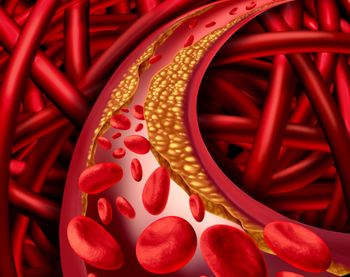
A retrospective analysis comparing statin users and nonusers details the significant declines in arterial stiffness progression among patients of high atherosclerotic risk based on statin use and adherence in a cohort of more than 5000 patients.

A secondary analysis of the AFIRE trial provides further detail on the reduction in event risk and mortality associated with rivaroxaban monotherapy compared to combination therapy in patients with atrial fibrillation and stable coronary artery disease.

Drs Paul S. Jellinger, Erin D. Michos, Matthew J. Budoff, Christie Ballantyne, and Yehuda Handelsman share closing thoughts and advice for the management of ASCVD and hypercholesterolemia.
Experts in endocrinology and cardiology review novel agents in the pipeline for the management of hypercholesterolemia and ASCVD.
Erin D. Michos, MD, MHS, leads a discussion on selecting the appropriate patient populations for the use of bempedoic acid when managing atherosclerotic cardiovascular disease (ASCVD) and hypercholesterolemia.
Christie Ballantyne, MD, leads a discussion on the use of bempedoic acid for the management of atherosclerotic cardiovascular disease (ASCVD) and hypercholesterolemia as seen in the CLEAR studies.
Erin D. Michos, MD, MHS; Christie Ballantyne, MD; Yehuda Handelsman, MD; and Paul S. Jellinger, MD, MACE, address the use of combination therapies and statin intolerance in patients with atherosclerotic cardiovascular disease (ASCVD) and hypercholesterolemia.

A post hoc analysis of the AUGUSTUS trial provides an overview of the effects of various antithrombotic regimens after ACS or PCI in patients with AFib and a history of stroke, TIA, or thromboembolism.
Matthew J. Budoff, MD; Paul S. Jellinger, MD, MACE; Erin D. Michos, MD, MHS; Yehuda Handelsman, MD; and Christie Ballantyne, MD, comment on the use of icosapent ethyl in reducing atherosclerotic cardiovascular disease (ASCVD) events and managing lipid disorders.
Health care experts discuss use of older agents to control atherosclerotic cardiovascular disease (ASCVD) and hypercholesterolemia in certain patient populations.

An analysis of data from the Fuwai PCI registry details the incidence of adverse events and risk of bleeding associated with clopidogrel monotherapy versus aspirin monotherapy 12 months post-PCI in high-risk patients.
Christie Ballantyne, MD, leads a discussion on the efficacy and safety of bempedoic acid for the management of ASCVD and hypercholesterolemia.
Matthew J. Budoff, MD; Erin D. Michos, MD, MHS; and Paul S. Jellinger, MD, MACE, discuss the role of statins, ezetimibe, and PSCK9 inhibitors for patients with ASCVD and hypercholesterolemia.
Christie Ballantyne, MD, and Erin D. Michos, MD, MHS, explore the impact of lifestyle changes on managing ASCVD and hypercholesterolemia.
Expert endocrinologists and cardiologists review the role of DCRM multispecialty practice recommendations and the use of combination therapy for patients with ASCVD and hypercholesterolemia.
Drs Erin D. Michos, Matthew J. Budoff, Paul S. Jellinger, and Yehuda Handelsman, share their approach to incorporating guideline recommendations for the management of patients with ASCVD and hypercholesterolemia in clinical practice.
Dr Christie Ballantyne leads a discussion on how the management of patients with ASCVD and hypercholesterolemia has changed over the years.

Each weight-loss regimen had similar success in obesity management, regardless of patients reducing their calorie consumption through time-restricted eating or through calorie restriction alone.
Yehuda Handelsman, MD; Christie Ballantyne, MD; Paul S. Jellinger, MD, MACE; and Erin D. Michos, MD, MHS, comment on the impact of diabetes on chronic kidney disease and cardiovascular disease.
Matthew J. Budoff, MD; Christie Ballantyne, MD; and Paul S. Jellinger, MD, MACE, discuss the incidence and prevalence of atherosclerotic cardiovascular diseases (ASCVD) associated with hypercholesterolemia and risk factors for disease.
Advertisement
Advertisement
Trending on HCPLive
1
eGFR Underestimates CKD in Patients with Cancer, Study Finds
2
The HCPFive: Top News for Healthcare Providers from the Week of 10/18
3
42% on Povetacicept Reach KDIGO-Aligned UPCR Target in RAINIER
4
Tegoprubart Improves Quality of Life vs Tacrolimus After Kidney Transplant
5