




Dyslipidemia
Latest News
Advertisement
Latest Videos


CME Content






















































Advertisement
More News

Verve Therapeutics announced plans to voluntary pause enrollment of the Heart-1 trial, citing an adverse event and consultation with DSMB, with plans to shift focus to VERVE-102 and Heart-2 trial.
This clinical quiz will test your knowledge on management of LDL-C special populations with nonstatin therapies based on the ACC's 2022 expert clinical decision pathway.

An analysis of the CLEAR Outcomes trial suggests bempedoic acid was well-tolerated in Hispanic/Latinx and non-Hispanic/Latinx individuals with statin intolerance.

A REDUCE-IT analysis highlights consistent cardiovascular benefits with icosapent ethyl across varying levels of Lp(a).

Adults with higher triglyceride levels exhibit a higher prevalence of chronic conditions and multi-organ disease.
This clinical quiz will test your knowledge on the use of non-statin therapies for LDL-C lowering based on the American College of Cardiology's 2022 Expert Consensus Decision Pathway on the Role of Nonstatin Therapies for LDL-Cholesterol Lowering in the Management of Atherosclerotic Cardiovascular Disease Risk.

Presence of nephritis in SLE patients is linked to higher cardiovascular risk factors and 3-fold increase in incidence of cardiovascular mortality.

A significant association between Lp(a) and adverse cardiovascular outcomes was altered by renal function in patients undergoing percutaneous coronary intervention.

Implementing a Food as Medicine program improved diet, physical activity, and reduced cardiovascular risk factors among participants.

The FDA's approval of the label expansion for bempedoic acid to include cardiovascular risk reduction is based on data from the CLEAR Outcomes trial.

Elevated Lp(a) may influence LDL-C levels and prevent LDL-C target achievement in patients at very high cardiovascular risk.

An analysis of 3 randomized clinical trials from the evinacumab program suggests the ANGPTL3 inhibitor was associated with reduced triglyceride-rich lipoprotein levels.

A recent comparison of changes in Lp(a) mass and molar concentrations found that each assay method was similarly predictive of MACE reductions with alirocumab.

An analysis of NHANES data suggests fewer than 3 in 10 patients with NAFLD received statin therapy, with only 50% with dyslipidemia receiving statins.
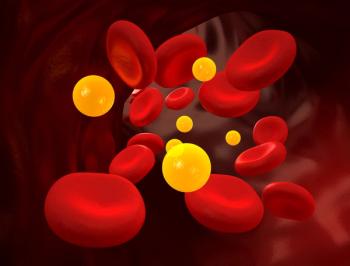
Silence Therapeutics' announcement of topline data from the ALPACAR-360 trial shows promising results for zerlasiran in reducing Lp(a) levels.

New data from the Family Heart Foundation highlights low access to PCSK9 inhibitors due to insurance rejections, despite guidelines recommending their use for high-risk patients.
Nearly a decade after becoming the first PCSK9 inhibitor to receive approval from the FDA, alirocumab (Praluent) has now received approval for pediatric patients with HeFH based on data from a phase 3 trial.

An analysis of the Strong Heart Family Study details High rates of dyslipidemia in American Indian youth and young adults, with more than 70% of those 15-39 years old affected.

The latest analysis of the Mass General Brigham Lp(a) Registry highlights Lp(a)'s independent association with cardiovascular events, with these associations apparent in patients regardless of baseline cardiovascular history.

This American Heart Month 2024 feature paints a picture describing the current state of cardiology by asking what the most prevalent and important issues facing the specialty are today from the perspective of 9 leading experts.

This recap of top cardiology news from January 2024 spotlights pipeline updates, new guidance on peripheral interventions, and a celebration of what may be the single most impactful public health address in the history of the United States.

Alirocumab every 2 or 4 weeks significantly reduced LDL-C in pediatric patients with inadequately controlled heterozygous familial hypercholesterolemia.

In the CLEAR Outcomes trial, bempedoic acid was associated with a 20% reduction in relative risk for total cardiovascular events, with further analysis shining light on the effects of specific types of events.

Medical experts discuss the importance of screening for Lp(a) and ongoing trials targeting this protein. Moreover, other new targets for the treatment of hyperlipidemia are reviewed.
Drs Michos, McGowan, and Kohli discuss Lp(a) and the development of cardiovascular disease.
Advertisement
Advertisement
Trending on HCPLive
1
eGFR Underestimates CKD in Patients with Cancer, Study Finds
2
The HCPFive: Top News for Healthcare Providers from the Week of 10/18
3
42% on Povetacicept Reach KDIGO-Aligned UPCR Target in RAINIER
4
Tegoprubart Improves Quality of Life vs Tacrolimus After Kidney Transplant
5