




Dyslipidemia
Latest News
Advertisement
Latest Videos






CME Content






















































Advertisement
More News

An analysis of NHANES data from 1999-2018 details the progress made with regard to cholesterol management on a population level but also provides insight into areas where room for improvement still exists.

An analysis of data from the MESA study sheds further light on associations of lipoprotein(a) and cardiovascular risk among a primary prevention cohort.

Data from an analysis of patients in Denmark provides an overview of the effects of statin therapy on risk of intracerebral hemorrhage, with insights into how this benefit may vary based on the location of the intracerebral hemorrhage.
Almost 3 years after approval, Esperion's announcement of positive results from the CLEAR Outcomes trial indicate bempedoic acid is the first oral non-statin therapy to meet the MACE-4 primary endpoint included in the outcomes trial of the ATP citrate lyase inhibitor.

A cluster randomized trial from Penn Medicine's Nudge Unit provides insight into the effects of "nudges" in primary care settings for improving the prescription of statins.

Results of the RIDTS study suggest extending anticoagulation with rivaroxaban to 12 weeks as opposed to the traditional 6-week course could reduce recurrent venous thromboembolism in patients with symptomatic isolated DVT.

An analysis of statin initiators within the VITAL trial provides insight into the impact of vitamin D supplementation on the incidence of statin-associated muscle symptoms and statin discontinuation among participants in the trial.

New research comparing use of lipid biomarkers for predicitng coronary heart disease suggests HDL-C may not provide the cardioprotective benefits purported in previous data.

An analysis of data from Medicare beneficiaries receiving treatment over a decade-long period provides a snapshot of oral anticoagulation initiation and nonadherence among older patients with atrial fibrillation in the US.

Using data from 88 medical centers across the US, new data is providing clinicians with an overview of contemporary trends in DOAC and warfarin use in adult patients with nonvalvular atrial fibrillation at high risk for stroke over the past decade.

A 10,000-person study provides insight into the feasibility and effectiveness of participation an entirely remote hypertension and lipid management program in a diverse health care network.

Erin Michos, MD, provides further insight in an on-site interview AHA 22 related to results of the SPORT trial, which provide direct comparative insights into the impact of several dietary supplements and placebo therapy relative to low-dose statin therapy in a primary prevention cohort.
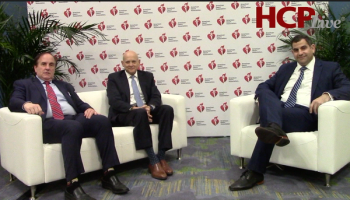
On Chen, MD, director of the Cardiac Intensive Care Unit and the Advanced Lipid Management Program at Stony Brook University, takes hosts Jorge Plutzky, MD, and Michael Farkouh, MD, on a deep dive into clinical processes at his institution and his perspective on some of the latest advances in lipid management.
Results of the Ocean(a)-DOSE trial, a phase 2 dose-finding study presented at AHA 22, suggests use of olpasiran dosed at 75 mg or higher every 12 weeks was associated with a reduction of Lp(a) among 95% of patients.

Viet Le, PA-C, discusses the results of a study examining characteristics and outcomes among pregnant statin users from EHR data recorded at Intermountain Healthcare medical centers.

Data from a phase 3 trial presented at AHA 22 suggests use of edoxaban could be a safe and effective method for reducing risk of thromboembolism in pediatric patients with cardiovascular disease considered to be at increased risk of thrombosis.

An analysis of the GWTG-Atrial Fibrillation Registry data suggests Black patients with AFib were 25% less likely to receive a prescription for oral anticoagulation at discharge and 27% less likely to receive a DOAC than their non-Hispanic White counterparts.

An analysis of data from a quality improvement initiative demonstrates the majority of patients continue their anticoagulant regimen beyond the guideline-directed 3 months following provoked VTE.

An analysis of electronic medical record data from more than 140k patients hospitalized at 185 medical centers in the US provides insight into associations between preexisting statin use and reduced risk of severe disease in COVID-19.
An analysis of claims data from a 7-year period provides insight into the rate of ischemic stroke or systemic embolism and bleeding events with 2 popular DOACs in people with atrial fibrillation and valvular heart disease.

The beneficial effect of intensive BP control on cardiovascular and all-cause mortality was attenuated during 4.5 years of post-trial after SPRINT.
An analysis of the CASCADE FH Registry provides insight into differences in patient characteristics and outcomes among those with homozygous familial hypercholesterolemia enrolled in the registry as children and those enrolled in the registry as adults.

Statins and their specific role have been the subject of debate for years. In this feature, 6 leading experts in cardiometabolic health share their perspectives on whether statins should be used in the sense of primordial prevention for ASCVD.

A meta-analysis of 48 randomized controlled trials provides clinicians with insight into the comparative efficacy profiles of multiple nonstatin LDL-lowering agents when added to maximally tolerated statin therapy.

Results of a CTT meta-analysis from ESC Congress 22 detail the excess risk of muscle symptoms observed with statin therapy from more than 20 clinical trials assessing statins against placebo or less intensive statin therapy.
Advertisement
Advertisement
Trending on HCPLive
1
eGFR Underestimates CKD in Patients with Cancer, Study Finds
2
The HCPFive: Top News for Healthcare Providers from the Week of 10/18
3
42% on Povetacicept Reach KDIGO-Aligned UPCR Target in RAINIER
4
Tegoprubart Improves Quality of Life vs Tacrolimus After Kidney Transplant
5