






















































Results from the RELAX-AHF show serelaxin reduces cardiovascular deaths and improves symptoms in patients with heart failure.
Results from the RELAX-AHF show serelaxin reduces cardiovascular deaths and improves symptoms in patients with heart failure.
Results from a sub-study of the Trial to Assess Chelation Therapy (TACT) that focused on quality of life issues in patients who had previously suffered a heart attack and were treated with chelation therapy reveal no improvements in these patients' quality of life.
Autophagy may provide an entirely new target to reverse atherosclerosis.
Podcast discussion of the value of CT angiography to measure stenosis severity and predict ischemia.
Video explores current options for managing hypertension and atherosclerosis.

The American Heart Association recently revealed its annual list of the most important cardiovascular and stroke research findings from the past year.
The goal when evaluating patients for CVD risk is to know what signs to look for and to devise an evidence-based, individualized treatment plan.
With Barbara Walters' announcement that she is scheduled to undergo surgery to replace a faulty aortic valve (most likely caused by stenosis of the aortic valve, according to Sara Sirna, MD, of the Temple Heart Center), your patients may be asking you questions about stenosis, aortic valve replacement surgery, mitral valve regurgitation, and a other related topics.
Well, I really do know why I bother with all of the hassle and red tape that is the hallmark of modern medicine – I do it for my patients.
I thought I lost a patient a few weeks ago. No, he didn't die, but after his office visit, I had the distinct impression that he might not come back. My job is to take care of my patients' health. But sometimes I'm just the messenger.
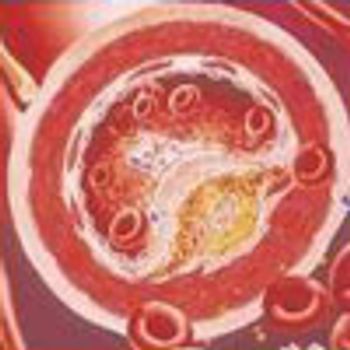
This CME activity examines the science of atherosclerotic disease development and discusses the cost-effective benefits of primary and secondary prevention of atherosclerotic disease.
As the mean BMI in the U.S. edges higher, I thought that a discussion of 2 recent analyses regarding lipids was pertinent to the season.

I am convinced that we essentially sabotage both our guests and ourselves when we offer only these high calorie and often totally unhealthy options time and time again.
Circulating biomarkers have been used in cardiovascular medicine as predictors of incident or prevalent disease.
We assessed the association between the incidence of coronary heart disease and alcohol consumption among hypertensive men enrolled in the Health "Professionals" Follow-Up Study. Moderate alcohol consumption (1 to 2 drinks per day) was associated with a lower risk of myocardial infarction, as in the general population, but was not associated with the risks of stroke, total mortality, or mortality from cardiovascular causes. These results show that men with hypertension who drink moderately may not need to change their drinking habits.
Statins are the most commonly used pharmacologic intervention in patients with increased cardiovascular risk. In addition to their beneficial effect on the atherogenic lipid profile, they have been shown to exert several pleiotrophic effects, including the reduction of low-grade inflammation. Thiazolidinediones (TZDs) are a new class of antidiabetic drugs that have been shown to improve insulin sensitivity and to reduce cardiovascular risk in patients with type 2 diabetes. Our study is the first to show a complementary effect of TZD and statin treatment on several cardiovascular risk factors in subjects without diabetes. These findings may have important implications for further discussion on cardiovascular risk reduction, especially for patients with metabolic syndrome.
The background required for assessing this paper by Hanefeld and Forst is derived from clinical studies using statin and peroxisome proliferator-activated receptors (PPAR)γ agonists.
A total of 114 patients with an intermediate pretest likelihood of coronary artery disease were evaluated with both multislice computed tomography (MSCT) and myocardial perfusion imaging (MPI). Results showed that in the majority of cases, a normal MSCT scan was associated with normal perfusion. However, only half of patients with significant stenoses showed abnormal perfusion. Accordingly, MPI and MSCT are intrinsically different techniques and appear to be complementary rather than overlapping as they provide information on atherosclerosis versus ischemia, respectively.
There is now substantial evidence that treatment with statins improves clinical outcomes in patients with acute as well as chronic coronary heart disease, and in older1 as well as younger patients
Diabetes and inflammation influence the development of atherosclerosis. We performed a study that showed the inflammatory markers high-sensitivity C-reactive protein and lipoprotein-associated phospholipase A2 were lowered with the use of fenofibrate, simvastatin, and combination therapy. The anti-inflammatory effects were most pronounced among patients with elevated baseline inflammatory markers. Combination therapy significantly altered lipid concentrations and exerted a greater positive effect on low-density lipoprotein cholesterol, high-density lipoprotein cholesterol, and triglycerides than monotherapy with either drug.
The use of statins to treat hyperlipidemia is well established.

Multislice computed tomography (MSCT) detects proximal coronary atherosclerotic plaque or obstructive coronary artery disease (CAD) in "a significant proportion" of patients with a low or intermediate Framingham risk score, according to research conducted at the Cleveland Clinic in Ohio.
We evaluated the prognostic value of cardiac magnetic resonance (CMR) stress testing with direct comparison of adenosine stress first-pass perfusion and dobutamine stress wall motion imaging among 513 subjects with known or suspected coronary heart disease over a median follow-up period of 2.3 years. Positive results on CMR stress testing identified subjects at high risk for subsequent cardiac events (nonfatal myocardial infarction or cardiac death), whereas normal CMR stress test results were associated with a very low annual cardiac event rate.
Despite the fact that prehypertension has been shown to be associated with atherosclerosis and target-organ damage, no studies evaluating coronary flow reserve (CFR) among prehypertensive patients have been done. We assessed CFR in normotensive subjects, in subjects with prehypertension, and in newly diagnosed and never-treated subjects with established hypertension. We found that CFR was decreased in prehypertensive subjects, although not as significantly as in subjects with hypertension.