























































After showing a significant impact on reduction of cardiovascular events, a slew of subgroup analyses were performed examining use of icosapent ethyl using data derived from REDUCE-IT.
After showing a significant impact on reduction of cardiovascular events, a slew of subgroup analyses were performed examining use of icosapent ethyl using data derived from REDUCE-IT.

The investigative monoclonal antibody from Regeneron shows significant benefit for patients with the rare, severe homozygous familial hypercholesterolemia.
Trial investigator Deepak Bhatt, MD, MPH, discusses how use of rivaroxaban in a clinical setting has changed as a result of the COMPASS trial.
Lead investigator of REDUCE-IT trials discusses the impact of trial results and what that means for EPA-based treatments going forward.
Use of rivaroxaban (Xarelto) plus aspirin was found to reduce cardiovascular and major limb events in a secondary analysis of the COMPASS trial.

In a recent study, investigators from Johns Hopkins found that risks of peripheral artery disease remains elevated for 30 years after smoking cessation.

A recent study has found that the cost and accessibility of PCSK9 inhibitors has created problems for patients seeking an effective treatment for their hypercholesterolemia.
From vaping to air pollution, Deepak Bhatt, MD, shares his thoughts on the greatest threats to cardiovascular health.

A new study links high levels of high‐sensitivity cardiac troponin T and N‐terminal pro‐B‐type natriuretic peptide to an increase in fall risk for geriatric adults.

A recent analysis of the IMPROVE-IT results found that simvastatin-ezetimibe was associated with greater reductions in LDL-C and lower rates of MI, stroke and CVD than simvastatin monotherapy.

Study from investigators in London found that high iron levels were associated with a lower risk of high cholesterol levels and reductions in atherosclerosis, but these same high levels were also associated with increased risk of stroke.
Professor of medicine at Harvard Medical School discusses how much progress has been made in the fight against cardiovascular disease.
Over time, clinicians have come to understand the most optimal use of the limited technological resources they have.

How the institution has become involved in regional health education efforts, and national efforts to establish proper care protocol.
Why limited educational resources and a diverse population has made the region an area burdened by heart disease.

Recent analysis of 3 trials found that CERT2 showed comparable and synergistic predictive performance when compared with previously published CVD risk models.

A 6-month study examining the effects of hepatic-directed prandial insulin in patients with type 1 diabetes mellitus was presented at ADA 2019.
A new study shows patients with T1D and comorbid cardiovascular disease face a signficantly greater cost of care.

A study of the massive 2005 trial data found that fenofibrate-targeted biomarkers are closely associated to cardiovascular risks in patients with T2D.

A decision for icosapent ethyl's sNDA is not expected to come from the FDA until September, but excitement surrounding the drug is at all-time high.
A review of REDUCE-IT data prior to an FDA supplemental new drug application decision shows the unprecedented benefit of the fish oil therapy.
Amarin announced the FDA had granted their sNDA for icosapent ethyl to reduce residual CV risk in patients with statin-managed LDL-C cholesterol.
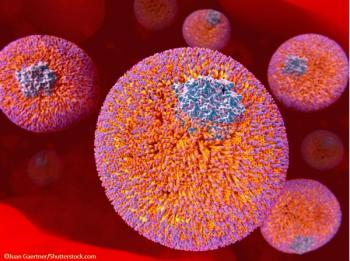
MAASTRICHT, The Netherlands--The significant combined effect of bempedoic acid and ezetimibe on LDL-C in patients at high risk for CV events may suggest a new era of non-statin therapy.
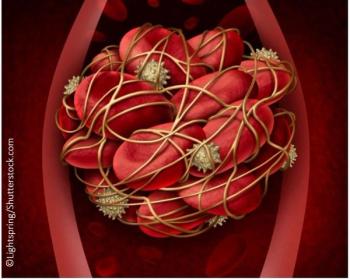
MAASTRICHT, The Netherlands-Study results suggest that clinical trials of novel treatments targeting Lp(a) will not be affected by subjects with CV disease receiving antiplatelet therapy.
Data from ACC 2018 showed the PCSK9 inhibitor is associated with an absolute risk reduction of 1.6% in treated patients versus placebo.