





Dyslipidemia
Latest News
Advertisement
Latest Videos








CME Content






















































Advertisement
More News

Results of the study suggest that patients with premature and extremely premature ASCVD are at risk for a higher accrued lifetime morbidity.
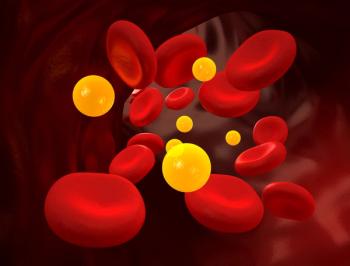
Full results of the phase 3 ELIPSE HoFH offer the greatest overview yet of the effects of evinacumab in patients with homozygous familial hypercholesterolemia.

A meta-analysis of 4 randomized trials is shedding light on the efficacy and safety of direct oral anticoagulant use for reducing recurrent VTE in patients with cancer.

Treatment with the PCSK9 Inhibitor did not increase risk of safety events, including new-onset diabetes.

A prespecified analysis of FOURIER is detailing the impact of evolocumab on CV events and LDL-C in patients with metabolic syndrome.

New data shows an adherence to troponin testing could complement optimized care.

The most common adverse events were injection-site reactions and headaches.

A new network meta-analysis offers an overview of the clinical benefit of less than 6 months, 6-month, 12-month, and extended periods of DAPT therapy after PCI with drug-eluting stents.

The model can simulate treatment benefit over time with time-varying low-density lipoprotein cholesterol.

S. Claiborne Johnston discusses the results of the phase 3 THALES trial examining use of ticagrelor dual antiplatelet therapy for reducing subsequent stroke in patients with AIS or TIA.

A prespecified analysis of ISAR-REACT 5 is shedding light on the effectiveness and safety of age- and weight-adjusted prasugrel versus ticagrelor following ACS.

A secondary ACCELERATE assessment shows a particular set of patients who may benefit from Lp(a)-lowering novel agents.
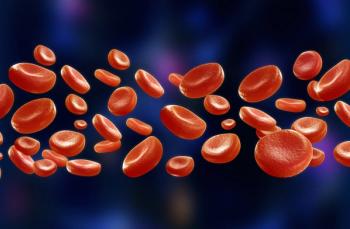
Results of the phase 3 THALES trial detail the effect of ticagrelor DAPT for reducing the risk of stroke and death in patients with acute ischemic stroke or transient ischemic attack.

New data suggests heparin could mitigate SARS-CoV-2 ability to bind to human cells.

The practice of genetic testing has been useful in clinically addressing found cases of familial hypercholesterolemia, among other conditions, but no clinical practice guidelines currently exist for testing patients with suspected hereditary dyslipidemia.

An observational study in Sweden is challenging current guidelines in regard to preference of ticagrelor over clopidogrel for patients with ACS undergoing PCI.

What does personalized outpatient care look like for a cardiology institute during the pandemic?
New research is detailing the impact of statin use for primary prevention in elderly patients free from atherosclerotic cardiovascular disease.

A new systematic review and meta-analysis is shedding light on the impact gestational hypertension can have on future risk of cardiovascular diseases.

While often referred to as "Good cholesterol" new research suggests HDL measurements do little for predicting risk of heart attack in Black patients

Discussing how advances in care and therapeutic agents have impacted the management of diabetes in 2020.

Deepak Bhatt, MD, MPH, discusses the results of the latest REDUCE-IT analysis, titled REDUCE-IT DIABETES, presented at ADA 2020.

A new study from the University of Arizona is shedding light on the psychological impact of Tai Chi in patients with cardiovascular disease.

A new analysis examines impact of treatment adherence in more than 1.2 million patients.

The expanded indication is the first regulatory approval for aspirin plus ticagrelor dual antiplatelet therapy in those with a high risk, but no history of heart attack or stroke.
Advertisement
Advertisement
Trending on HCPLive
1
eGFR Underestimates CKD in Patients with Cancer, Study Finds
2
The HCPFive: Top News for Healthcare Providers from the Week of 10/18
3
42% on Povetacicept Reach KDIGO-Aligned UPCR Target in RAINIER
4
Tegoprubart Improves Quality of Life vs Tacrolimus After Kidney Transplant
5