




Dyslipidemia
Latest News
Advertisement
Latest Videos





CME Content






















































Advertisement
More News
Linda Hemphill, MD, shares her views on how familial hypercholesterolemia impacts the assessment of high-risk patients.
Norman Lepor, MD, FACC, FAHA, FSCAI, shares how he would identify and monitor patient populations at high risk for CV morbidity and mortality.

Researchers compare the NYHA class identifier with KCCQ-QS.

The analysis was less statistically powered when comparing sibling discordant.

In this column, Arnold Meshkov, MD, explores the history of the "Thrombus Hypothesis" and his experiences with thrombus in myocardial infarction as a practicing clinician.
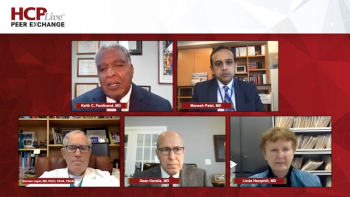
Expert panel of cardiologists provide their perspective on the specific population that may be at a risk of developing hyperlipidemia.
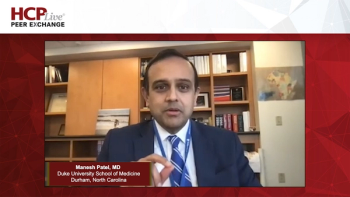
Manesh Patel, MD, discusses the pathophysiology of the relationship between hypercholesterolemia and cardiovascular disease.

An analysis comparing propensity-matched data from 4k transgender is providing an updated overview of the risk profile for patients undergoing gender-affirming therapy compared to their cisgender counterparts.

The majority of previous studies have focused on this link in the male population.

Researchers test 3 different machine learning models to aid in expanding the number of variables needed to better predict outcomes.

An analysis of the REDUCE-IT trial suggests patients on statins who were also receiving icosapent ethyl reduced their risk of an ischemic stroke by an additional 36%.
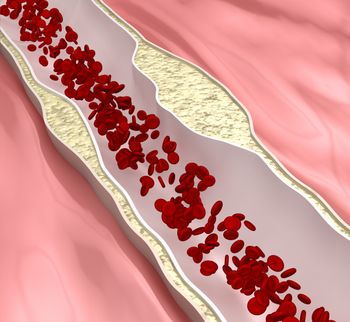
A recent study found that time-restricted diets did not induce changes in blood pressure or lipid profiles, but did lead to reductions in weight loss.

Guidelines call for athletes to miss up 6 months of sports following a myocarditis diagnosis. How frequent is the condition in the era of a risk-driving pandemic?

Researchers see differences in how SARS-CoV-2 attacks the brain in comparison to the influenza virus that caused the 1918 pandemic.

There was no difference in rates of 30-day cardiac mortality and acute myocardial infarction between single troponin test recipients and serial troponin test recipients.

Unhealthy lifestyles during the pandemic may increase the risk of cardiovascular disease.

Researchers find a significant benefit at day 28 when compared to a group taking a placebo.

The approval was based on data from the PARAGON-HF study.
Dr. Khan discusses some of the risk factors associated with CHD.

With a backdrop of American Heart Month, Arnold Meshkov, MD, reflects on the history of cholesterol and advances in the treatment of cholesterol disorders throughout history.

Obese individuals were found to have a higher odds ratio of developing IIH compared to non-obese people.

A statement from Regeneron announced their ANGPTL3 inhibitor evinacumab (Evkeeza) received approval as an adjunct therapy for lowering LDL-C in patients 12 years and older with homozygous familial hypercholesterolemia.
The indication is the first granted to an ANGPTL3 inhibitor in the US.

Researchers believe identifying more risk factors could be beneficial in reducing cardiovascular disease.

Infants managed using real-time CGM spent longer time in the glucose concentration target range than those receiving standard of care.
Advertisement
Advertisement
Trending on HCPLive
1
eGFR Underestimates CKD in Patients with Cancer, Study Finds
2
The HCPFive: Top News for Healthcare Providers from the Week of 10/18
3
42% on Povetacicept Reach KDIGO-Aligned UPCR Target in RAINIER
4
Kidney Compass: Final 2-Year TELIGAN Data for Telitacicept in IgA Nephropathy
5