




Dyslipidemia
Latest News
Advertisement
Latest Videos


CME Content






















































Advertisement
More News
Bempedoic acid monotherapy and its combination with ezetimibe for lipid lowering in patients intolerant to statins.
Role of dietary and lifestyle modifications as part of lipid management.

Dr. Paul Thompson reflects on the results of recent N-of-1 studies examining the effects of statin therapy on muscle pain and offers his perspective on the conclusions drawn by these trials.
Dean Karalis, MD, provides expertise on the appropriate use of statins based on primary and secondary prevention.
Expert cardiologists express support for the uptake in the use of inclisiran once approved based on the cost-effectiveness.

The American Heart Association and American Stroke Association have released a special report related to the treatment of blood clots or low platelet counts related to the COVID-19 vaccine, which has garnered mass amounts of attention despite being a rare complication.

An SCAI 2021 analysis of more than 4k patients with characteristics similar to those included in the TWILIGHT trial indicates extended-duration DAPT, defined as a duration of more than 12 months post-PCI, was a more efficacious approach than short-term DAPT in this patient population.

A new analysis of claims data performed by clinicians at Penn Medicine suggests less than 1% of patients with ASCVD initiated therapy with a PCKS9 inhibitor from 2015-2019.
Norman Lepor, MD, FACC, FAHA, FSCAI, challenges the use of ezetimibe before a PCSK9 inhibitor in a population with no acute coronary syndrome.
Key opinion leaders in cardiology share their perspectives on using inclisiran post FDA approval within the current treatment landscape based on guidelines.
Norman Lepor, MD, FACC, FAHA, FSCAI, reviews the efficacy of inclisiran in terms of LDL reduction based on the pooled analysis of the phase 3 ORION trials.
Experts review in detail the emerging use of inclisiran as an adjunct therapy for lipid lowering in patients with high cholesterol.

Many patients have begun to engage in unhealthy lifestyle choices during the last 12 months.

A case-controlled study of patients in the PREVEND study indicates HDL anti-inflammatory capacity could help identify patients at a greater risk of cardiovascular disease.

HDL anti-inflammatory capacity was inversely associated with incident cardiovascular disease after the team used a fully adjusted model.
Panel of experts discuss the use and safety profile of purified icosapent ethyl compound (EPA) in prevention of CV risk.
Cardiologists briefly review the outcomes data and practical implications of novel treatment options for hyperlipidemia.

The risk of hypertension increased in pediatric patients with more complex surgery.
In the final portion of this video series, panelists discuss the implementation and use of telehealth in cardiology, but specifically the management of cholesterol disorders.

In this portion of the panel discussion, panelists examine newer therapies for the treatment of lipid disorders. Included in this section are brief discussions around icosapent ethyl, inclisiran, and bempedoic acid. *This conversation occurred in February 2021 and regulatory approvals/decisions may have changed since filming.
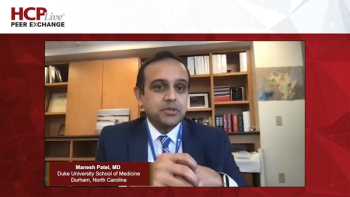
Manesh Patel, MD, briefly addresses the mechanism of action of inclisiran as an adjunct therapy for lipid lowering in patients with high cholesterol.
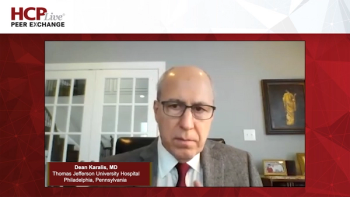
Dean Karalis, MD, provides his perspective on intensive LDL lowering in patients with risk for high cholesterol and related disorders.
The once-daily tablet is indicated for adult patients with primary non-familial hyperlipidemia or homozygous familial hypercholesterolemia
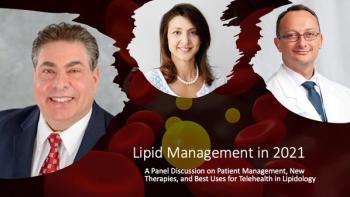
In this edition of Inside Cardiology, a trio of advisory board members discuss a series of case reports, upcoming and newly released therapies for lipid disorders, and use of telehealth for the management of patients.
Welcome to Inside Cardiology: Lipid Management 2021. This edition of Inside Cardiology features a discussion around lipidology led by Chief of Practical Cardiology's Editorial Advisory Board Guy Mintz, MD. Mintz is joined by fellow advisory board members Lucia Novak, CRNP, and Brett Nowlan, MD. In the first segment, panelists introduce themselves and examine the first case report in their 5-part discussion.
Advertisement
Advertisement
Trending on HCPLive
1
eGFR Underestimates CKD in Patients with Cancer, Study Finds
2
The HCPFive: Top News for Healthcare Providers from the Week of 10/18
3
42% on Povetacicept Reach KDIGO-Aligned UPCR Target in RAINIER
4
Kidney Compass: Final 2-Year TELIGAN Data for Telitacicept in IgA Nephropathy
5