



























































An analysis of 4 phase 3 clinical trials examining the use of bempedoic acid for lowering LDL cholesterol was presented at AHA 2019.
An analysis of 4 phase 3 clinical trials examining the use of bempedoic acid for lowering LDL cholesterol was presented at AHA 2019.

How preventive care strategy adherence could bolster heart disease risk reduction in entire families.

Promising drug inclisiran shows significant LDL cholesterol reduction in patients with familial hypercholesterolemia.

Results of ORION-9 reveal inclisiran has the potential to treat familial hypercholesterolemia with twice-a-year injections.

The addition of IPE significantly slowed coronary plaque progression as compared to placebo over 9 months for 4 of the 5 secondary end points.

A recent analysis of the FRANCE-TAVI registry presented at AHA 2019 has found self-expanding transcatheter heart valves were associated with an increased risk of all-cause mortality following TAVR.

A new study from AHA 2019 has found that use of rivaroxaban rather than antiplatelet therapy after TAVR increased a patient's risk of death and bleeding events.

Results of the ISCHEMIA trial were revealed at AHA 2019 and revealed little overall benefit of an invasive approach but saw improved angina control in patients with previous angina.

The ORION-10 trial revealed 300 mg inclisiran twice-yearly reduced LDL-C levels by 58% in patients with atherosclerotic cardiovascular disease.

A new study from investigators in Australia has found nearly 1 in 5 patients in a cardiac rehabilitation program suffer from at least moderate depression, anxiety, or stress.
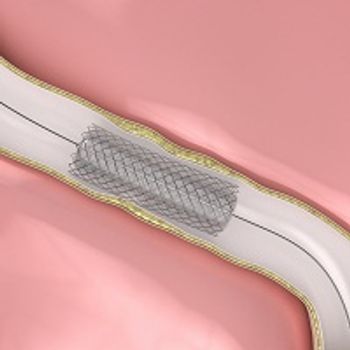
A new study from the European Heart Journal is contradicting a January 2019 FDA warning that paclitaxel-coated devices were linked to an increased risk of death.

A study from investigators in Europe found the CCS, ACC/AHA, and NICE guidelines for statin use may be more effective at preventing ASCVD events than ESC/EAS or USPSTF guidelines.

A recent study found the lifetime risk of peripheral artery disease in black patients was around 30% while Hispanic and white patients had prevalence rates around 20%.

Initial PCSK9 inhibitor plus statin therapy helped hospitalized patients achieve LDL-C

A recent study found that county-level poverty prevalence correlated with both heart failure and coronary heart disease mortality rates.

Naeem Khan, MD, and Kiersten Combs, both of Astrazeneca, discuss how recent news from FDA and ESC Congress 2019 could impact dapagliflozin moving forward.

A recent study presented at ESC Congress 2019 found that a 1 unit increase in BMI at 18 years old translated to a hazard ratio of 1.10.

A recent study examining how genetic risk factors and lifestyle choices impact premature coronary artery disease found evidence that various factors play a greater role than genetics for younger patients.

A study presented at ESC Congress 2019 revealed childhood BMI, systolic blood pressure, and serum total cholesterol and triglycerides are positively associated with adult CVD.

A recent study found that expanding statin treatment to those with borderline risk of atherosclerotic cardiovascular disease and high LDL-C levels could prevent ASCVD events and be cost-effective on a population level.

A primary investigator-led discussion will tap into how invasive procedures have become more embraced in US cardiology.

Results of the phase 3 trial show that inclisiran reduced LDL cholesterol in patients with atherosclerotic cardiovascular disease.

Severe vitamin D deficiency in people with diabetes treated with dual antiplatelet therapy (DAPT) after an acute coronary syndrome (ACS) or percutaneous coronary intervention (PCI) is associated with high residual platelet reactivity in patients taking the adenosine-diphosphate (ADP) antagonists ticagrelor or prasugrel, according to an exploratory study epublished on June 7 by Vascular Pharmacology.

The advent of newer antiplatelet agents and oral anticoagulants has allowed new regimens for secondary prevention of coronary artery disease. When combination therapy is needed, the bleeding risk is particularly pronounced, and the benefits and risks must be balanced for individual patients.

While results of COMPASS proved the efficacy of combination rivaroxban-plus-aspirin, it may not be the best treatment for every patient suffering from coronary or peripheral artery disease.