


























































It's been 4 years since the drug class reached the market. Are patients adhering to the therapy, and what more potential does it have?
It's been 4 years since the drug class reached the market. Are patients adhering to the therapy, and what more potential does it have?

A new long-term data analysis reports that about 50% of patients adhere to the critcal therapy after just 1 year, and the rate continues to drop after that.

Atrial fibrillation patients at risk for acute coronary syndrome, stroke and blood clots have better outcomes with an antithrombotic regimen of apixaban without aspirin, researchers report.

Recently new therapy options are becoming more evidenced by the day. But have they reached their fullest potential?

Physicians found bempedoic acid was capable of reducing LDL-C by another 18% without muscle or liver issues due to high-dose statin regimen.

Rodriguez discusses her team's recent 300,000-patient cohort analysis on statin adherence, plus advice on managing at-risk patients with ASCVD.
A 300,000-plus patient cohort analysis showed patients with atherosclerotic cardiovascular disease are at a significantly greater risk of death if they don't adhere to statin prescriptions.
Results of an open label study on omega-3 PUFA supplementation found a small but transient effect on gut microbiota that could warrant future research.
Eliot A. Brinton, MD, outlines the continued unmet needs for patients with familial chylomicronemia syndrome (FCS).
Coronary artery disease remains the top killer of Americans—these tools may help identify people who are still at risk.
Once one of the country healthcare system's greatest successes, CVD and related mortality is rising again. What's its true cause?

Among lipid clinic patients, actual EPA+DHA supplement intake was <50% of prescribed dosage, according to the first study to look at the association.

The seemingly complicated maneuvers of getting patient’s cholesterol better can be resolved with common sense. What’s best for the patient?
Since the PCSK9 inhibitors were approved for cholesterol management by the FDA in 2015, they have been frequently compared.
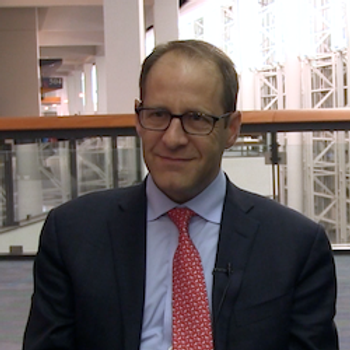
Wiviott, senior investigator of the DECLARE-TIMI 58 trial, says that SGLT2 inhibitors and GLP-1 receptor agonists are changing the paradigm of how clinicians manage diabetes and cardiovascular risk.

Topline data shows that the diabetes medication is non-inferior to placebo with regard to a composite outcome of major adverse cardiovascular events.
Jay Edelberg, MD, PhD, of Sanofi and Robert Sanchez, PhD, of Regeneron shared about the recent ODYSSEY OUTCOMES trial of alirocumab (Praluent) and accompanying cost-effectiveness study.

“Reassuring” results from a study of 11,692 individuals show that statin use does not affect the effectiveness of the influenza vaccine.

Findings from REDUCE-IT are the first to show that EPA lowers the relative risk of hard cardiovascular endpoints. Johns Hopkins' Seth Martin, MD, and colleagues put the trial in perspective.

Investigators have found that lowering LDL cholesterol may not be the only way to reduce cardiovascular events—reducing inflammation may be the key to improving outcomes.

Using relevant clinical trial data, investigators created a price tag of about $6300 annually for the very effective, often costly inhibitor.

Steven Nissen, MD, discusses the updates to the cholesterol guidelines and how the risk calculator should not be considered an end-all be-all.
“These guidelines bring back the concept of adjusting therapy for cholesterol levels, and they recommend more aggressive treatment targets for people in very high risk,” said Cleveland Clinic’s Steven Nissen.

Fish oil or fish for CV protection? It's a well studied yet unresolved question. Highlights, here, of the ASCEND study and all those that came before.
In addition to a 25% reduction of risk of future cardiovascular events, icosapent ethyl (Vascepa) lowered the risk of cardiovascular death by 20%.