Oral anticoagulant choice in the obese; how to reduce inflammation in atherosclerosis; and optimal DAPT duration post-PCI. Top-line reviews of 3 new studies highlight potential for practice change.
Oral anticoagulant choice in the obese; how to reduce inflammation in atherosclerosis; and optimal DAPT duration post-PCI. Top-line reviews of 3 new studies highlight potential for practice change.

Test your knowledge of the 2019 "focused" updates to the 2014 AHA/ACC/HRS guidelines on the management of atrial fibrillation with this quick, 5-question quiz.

Recent study found that having post-traumatic stress disorder, in and of itself, does not increase a patient's risk for cardiovascular disease.
A secondary analysis of results from the VISTA-16 trial suggests that serial hsCRP measurements may improve post-ACS risk stratification and help decrease subsequent CV events.

Results of this study, which examines lifelong endogenous testosterone exposure, add to the body of evidence in support of regulatory warnings about testosterone replacement therapy.
The study found that among transplant patients who received HCV-exposed donor hearts and developed HCV infection, viral clearance with DAA treatment was 100%.

Close to 70% of hearts consented for donation in the US are never transplanted. A portable perfusion technology now under FDA review could significantly reduce that.

In patients hospitalized for heart failure, influenza was found to be an independent predictor of complications, extended stay, and death while in hospital.
A new study suggests that amlodipine combined with hydrochlorothiazide or perindopril is more effective vs perindopril plus HCTZ for lowering blood pressure in black patients from sub-Saharan Africa.
Results of an open label study on omega-3 PUFA supplementation found a small but transient effect on gut microbiota that could warrant future research.
Atrial fibrillation recurrence remains a challenge amidst significant advances in managing stroke risk. Could the CHA2DS2-VASc score help?

Have a quick look at 3 top mobile apps that can help your patients better manage a range of thyroid conditions.
Will SGLT2 inhibitor canagliflozin prove renoprotective in T2DM patients? CANVAS study authors sought to find out.
SGLT-2 inhibitors appear to have a more consistent effect on prevention of HF and renal outcomes than on atherosclerotic CV events, say study authors.

Among lipid clinic patients, actual EPA+DHA supplement intake was <50% of prescribed dosage, according to the first study to look at the association.
Fish oil or fish for CV protection? It's a well studied yet unresolved question. Highlights, here, of the ASCEND study and all those that came before.
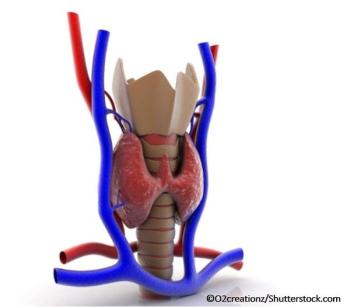
Sample: Under which circumstances do the recent USPSTF guidelines recommend screening for thyroid dysfunction?

Salt sensitivity of blood pressure (SSBP) is still poorly understood. How much do you know about it? Find out, here.
Can weight loss alone be the key to the reversal of type 2 diabetes? A new study sheds some light.
Obstructive sleep apnea negatively impacts lipid levels, greatly increasing risk for CV disease and independent of obesity, according to the largest analysis of the link to date.

Medical nutrition therapy for hyperlipidemia management is widely recommended by clinical guidelines. Is it cost-effective?
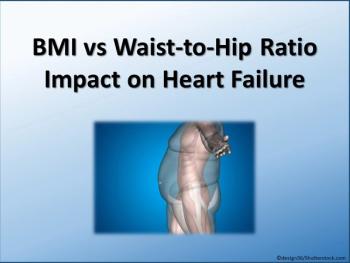
In a new study, increased waist-to-hip ratio was shown to have a significant link to risk of death in heart failure.
A new study finds that the first treatment chosen to treat PAH may help mitigate the burden of all-cause cost of care.

A new meta-analysis helps clear up conflicting trial data and supports what we know about eggs and serum cholesterol.

Three new diabetic technologies have been approved by the FDA. What are they? Scroll through our slideshow to find out.
Results of a new study of causes of elevated LDL in young women supports greater focus on early assessment and intervention in this population.
How do the benefits of epirubicin against breast cancer stack up against the risk of late-onset heart failure?
Will results of a study comparing a new formula for evaluating LDL-C in the nonfasting state and the Friedewald method turn heads?
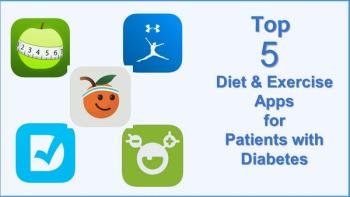
Carb counting, bar-code recognition, log-book, exercise tracker, insulin calculator -- and more, all in each one of these 5 apps.
A new study identified 6 ECG features that warn of potentially fatal cardiac arrhythmia in adults presenting with syncope.
September 22nd 2014
January 30th 2015
March 27th 2015

December 3rd 2015

