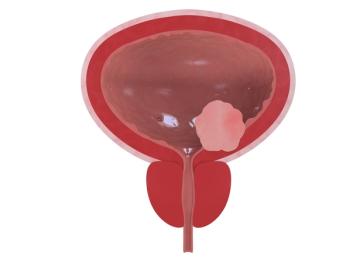
Researchers sift through risk factors and clinical trial findings to determine if the SGLT2 inhibitor increases bladder cancer risk.
Researchers sift through risk factors and clinical trial findings to determine if the SGLT2 inhibitor increases bladder cancer risk.

Do added sugars and artificial sweeteners play an equal role in type 2 diabetes risk?

We examine the results of various bariatric surgeries on long-term type 2 diabetes control and/or remission.
Finding more effective therapies for preventing diabetic nephropathy would be attractive, and a recent study has pointed to SGLT2 inhibitors as promising candidates in this area.
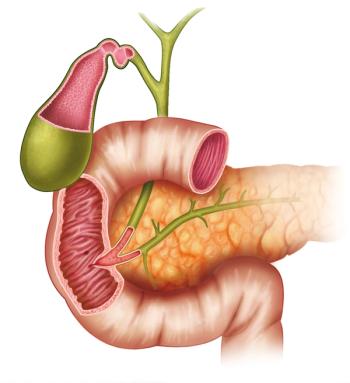

What is the best way to treat a diabetic patient who has a metformin intolerance? Test your knowledge of alternative monotherapies, including SGLT2 inhibitors, GLP-1 agonists, and sulfonylureas.

There are pros and cons to using SGLT2 inhibitors in the elderly. Are you familiar with both? Find out with 7 quick multiple choice questions.

Patients with diabetes may already be at increased risk for genital mycotic infections. We look at the likelihood of infection with SGLT2 inhibitors.

It can be difficult to determine which combinations of antihyperglycemic medications might work best, and for which patients. A recent review investigates combined therapy, with a focus on the newer DPP-4 and SGLT2 inhibitors.
SGLT2 inhibitors have been studied in combination therapy with a range of antihyperglycemic agents. Check your math, here, with our 6 "add-on" questions.
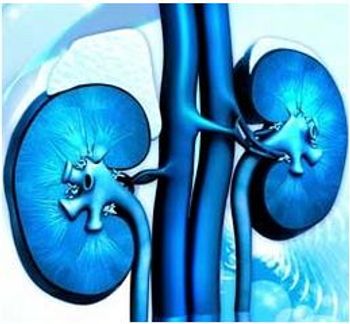
Regulation of glucose homeostasis by the kidney is impaired in persons with type 2 diabetes. Find out what you know about this renal dysfunction and the role of SGLT2 inhibition in reducing hyperglycemia.

Faulty brain satiety centers and impaired gut hormone function are risk factors for weight gain in patients with type 2 diabetes. A recent study suggests one simple antidote: Slow down.
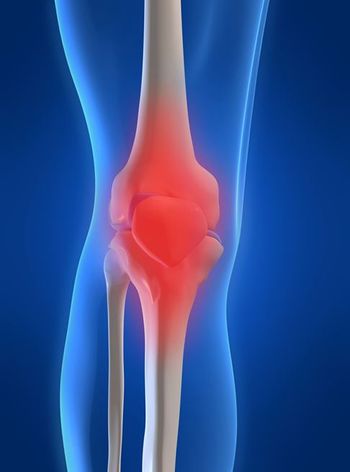
Some researchers now suspect that type 2 diabetes may itself be an independent risk factor for osteoarthritis and have proposed a "diabetes-induced phenotype."