
Is elevated Lp(a) a risk factor for ischemic stroke in persons with atrial fibrillation? Results of this ARIC analysis explain.
Is elevated Lp(a) a risk factor for ischemic stroke in persons with atrial fibrillation? Results of this ARIC analysis explain.
Increased risk for CV events and severe hypoglycemia in T2D patients treated with β-blockers seems reason enough to rethink this Rx.
Click through these 5 statements about the "gliflozin" class of diabetes drugs for a test of your recall and retention.
Take our 6-question True or False spot-check quiz on ADA vaccine recommendations.
The first-to-market hybrid closed loop CGM and "smart" insulin pens are 2 of our picks for 2017’s best tech advances in diabetes management.
ShugaTrak, Glucose Buddy, OnTrack -- 3 of the 5 apps we highlight that are designed to make diabetes monitoring seamless for all.
A new meta-analysis finds that routine intake of artificial sweeteners is linked to the opposite of the intended effect.
Results of a small systematic review identify a vulnerable ethnic group members of which may be patients in your practice.
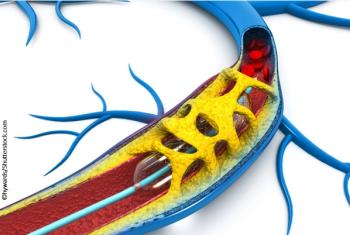
High HbA1c levels after the percutaneous cardiovascular intervention may help identify patients at long-term risk for adverse CV events.

Eight top apps for endocrinologists include decision support tools, printable patient handouts, calculators, and treatment guidelines.
The risk of urinary tract infections (UTIs), but not necessarily genital infections, may vary by agent within the SGLT2 inhibitor class.

The device, initialized using only body mass, with no required data on usual insulin regimens, was compared to standard care with insulin pump and CGM.

Past studies have linked nut consumption to decreased risk of CVD & all-cause mortality, but have not systematically evaluated less common causes of death.

Creating a better understanding of how race and ethnicity impact social determinants of health can improve culturally tailored diabetes interventions.
Did adding an SGLT2 inhibitor improve glycemic control in patients with type 2 diabetes? A recent meta-analysis explores this question.
A large study of celiac disease looked at prevalence of T1DM and T2DM, and health risks associated with having both celiac disease and diabetes.

Does butter deserve its bad rap? A meta-analysis examines butter consumption and type 2 diabetes, as well as mortality and cardiovascular disease.

As adjunctive therapy with insulin in poorly controlled type 2 diabetes, which drugs proved more effective – SGLT2 inhibitors or DPP-4 inhibitors?

Exercise may lower the risk of diabetes, metabolic syndrome, or CV events, but the relationship between exercise and insulin sensitivity is complex.
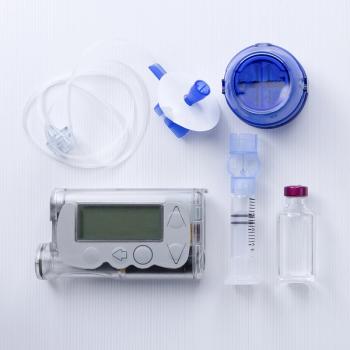
Researchers compared four different methods of estimating starting basal insulin infusion rates when transitioning to pump therapy. Which was best?
Whether used as monotherapy or dual therapy, is there an advantage to using one specific SGLT2 inhibitor over another?
Studies of cancer risks with diabetes have been comprised mostly of people with T2DM, leaving the links between cancer and T1DM relatively unknown.

DCAN remains overlooked as an important risk factor for cardiac morbidity and mortality in diabetes.
SGLT2 inhibitors are known to lower blood pressure, but how best to use these drugs with blood pressure lowering medications remains an open question.
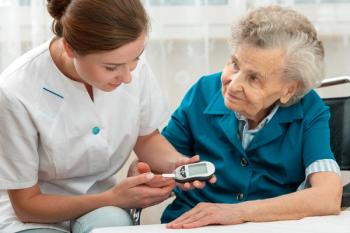
Older patients with type 2 diabetes are a highly variable population with different requirements for diabetes management.
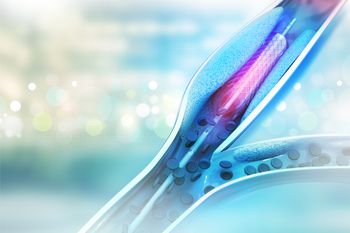
The past 30 years have witnessed major advances in PCI; fewer changes have occurred with CABG, though the death rate has decreased. Which is better?

The hormonal changes of adolescence can wreak havoc on glucose control, but what else can affect disease management in teens?
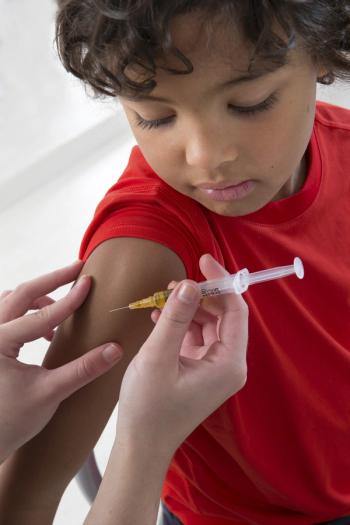
The rise of type 1 diabetes rates corresponds with the widespread practice of childhood vaccinations in developed countries – coincidence or not?

Is coffee good for you and your patients? What if it’s decaffeinated or loaded with sugar or cream? A new study adds fuel to the on-going debate.

Three SGLT2 inhibitors have similar drug costs per unit dose, but what are the drug costs based on treatment response?