




Dyslipidemia
Latest News
Advertisement
Latest Videos




CME Content






















































Advertisement
More News

Merck announced robust efficacy data on the benefit of sotatercept for PAH in the STELLAR and ZENITH studies led to a loss of clinical equipoise in HYPERION.

Results from the Phase 3 LIBerate-HoFH trial found LDL-C responses generally similar between patients treated with lerodalcibep and evolocumab.

Awarded to Roche, the Tina-quant® Lipoprotein (a) Gen.2 Molarity assay will be the first 510(k) cleared test measuring Lp(a) in nanomoles per liter (nmol/L).

Only 7% of patients presenting to US emergency departments received cardiac biomarker testing, with 2.8% diagnosed with ACS.

Enobosarm led to a statistically significant benefit in the protection of lean mass in patients with overweight or obesity receiving semaglutide.

Medicaid-insured heart transplant recipients reported worse survival and higher risk of cardiac allograft vasculopathy over 5 years.

GLP-1 RA initiation boosted new thyroid cancer diagnoses, compared with other anti-diabetic drugs, but enhanced early detection may have played a role.

Subcutaneous amycretin achieved up to a 22.0% weight loss over 36 weeks, with a consistent safety profile to other incretin-based therapies.

Abelacimab achieved notably lower levels of free factor XI and fewer bleeding events than standard-of-care rivaroxaban in the Phase 2b trial.

Grade 2 or 3 cardiac uptake showed a 5-fold higher risk of cardiovascular death compared to grade 1 in asymptomatic ATTR cardiac amyloid infiltration.

Self-reported primary prevention aspirin use decreased among adults with both low and high ASCVD risk after the release of evidence-based guidelines.

Approximately 2.0% of commercially insured individuals with obesity, but not diabetes, initiated semaglutide within 6 months of diagnosis.

Increases in oxidized HDL levels were linked to HFpEF in new analyses, suggesting reduced antioxidant HDL function is present in this patient population.
The FDA has assigned a Prescription Drug User Fee Act (PDUFA) target action date of November 18, 2025.
Semaglutide 7.2 mg achieved statistically significant and superior weight loss at 72 weeks versus placebo, hitting the Phase 3b trial's primary endpoint.

A cohort study with 14 years of follow-up found monogenic and polygenic mechanisms influencing LDL-C and incident T2D risk inversely associated.

Aspirin avoidance remained safe and did not increase thrombosis risk after LVAD implantation in patients with a history of atherosclerotic vascular conditions.
Submission of the supplemental NDA was based on positive findings from the FINEARTS-HF trial investigating finerenone for heart failure with an LVEF ≥40%.

An economic analysis highlights a cardiovascular polypill's potential to lower healthcare costs and address income-based health disparities.
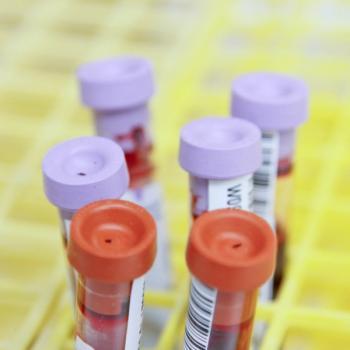
Hyperuricemia was significantly linked to dyslipidemia and hypertriglyceridemia in hospitalized patients with type 2 diabetes, which remained after adjustment.

Variations in apoB concentration among Hispanic or Latino populations could provide important implications for apoB use in cardiovascular risk assessment.

Higher levels of small-particle HDL were linked with greater gray matter volume and higher cognitive capacity among middle-aged adults.
This listicle highlights 5 major approvals and 5 trial updates in cardiovascular care from 2024.

Glycemic control continues to be a major risk factor for diabetic retinopathy, while overweight, obesity, and hypertension are growing in prevalence.

A study indicates that dyslipidemia may be associated with a greater risk of psoriasis development.
Advertisement
Advertisement
Trending on HCPLive
1
eGFR Underestimates CKD in Patients with Cancer, Study Finds
2
The HCPFive: Top News for Healthcare Providers from the Week of 10/18
3
42% on Povetacicept Reach KDIGO-Aligned UPCR Target in RAINIER
4
Tegoprubart Improves Quality of Life vs Tacrolimus After Kidney Transplant
5