

Dyslipidemia
Latest News
Advertisement
Latest Videos




CME Content






















































Advertisement
More News

Patients with hypercholesterolemia on individualized maximally tolerated dose of statins achieved guideline-recommended LDL-C levels on inclisiran.

Merck’s investigational oral PCSK9 inhibitor reduced LDL-C, non-HDL-C, ApoB, and LP(a) significantly compared to placebo after 24 weeks.
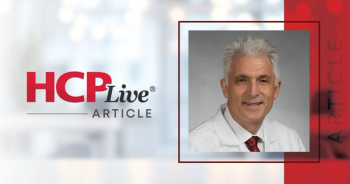
Ionis Therapeutics, Inc. also announced plans to submit an sNDA for olezarsen based on these trial results by the end of 2025.
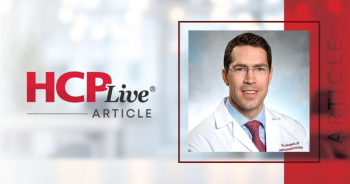
Olezarsen shows promise in significantly lowering triglyceride levels in patients with hypertriglyceridemia.

According to investigators, individuals with 3 or more risk factors for metabolic syndrome have a 40% greater risk of developing Parkinson’s.

A series of phase 2/3 trials collectively indicate the overall lipid-lowering effects of obicetrapib in a 5 mg dose, a 10 mg dose, and 10 mg with ezetimibe.

Parent company Response Pharmaceuticals has announced RDX-002’s achievement of its primary endpoint, with more data to come from an ongoing extension.
July delivered 9 impactful advancements across the gamut of disciplines in cardiology.

Discover the evolving landscape of hypertriglyceridemia treatment, focusing on innovative therapies and improved diagnostic strategies for FCS and MCS.
Inclisiran can now be used alone, without addition of statin therapy, as adjunct to diet and exercise for LDL-C reduction in hypercholesterolemia.

Actual LLT use was significantly lower than the proportion of guideline-eligible patients for statins, ezetimibe, and PCSK9i.
Our recap of Q2 2025 in cardiology spotlights 3 FDA headlines, trial news, and new episodes of Don't Miss a Beat.

Phase 3 trials show enlicitide decanoate significantly lowers LDL cholesterol, offering a promising oral treatment for hyperlipidemia and cardiovascular risk.
Discover key advancements and setbacks in cardiovascular medicine from May 2025, shaping the future of cardiometabolic care and treatment options.

The FDA approves hydrocortisone oral solution for pediatric adrenal insufficiency, enhancing dosing accuracy and ease for young patients and caregivers.

Prothena halts birtamimab development after missing key Phase 3 trial endpoints for AL amyloidosis, prompting workforce reductions and cost-cutting measures.

Stay updated with the latest healthcare breakthroughs, including FDA approvals and innovative treatments, in this week's essential news roundup for professionals.

Olezarsen shows promising results in reducing triglyceride levels for patients with moderate hypertriglyceridemia, offering hope for better cardiovascular health.

Elevated lipoprotein(a) levels significantly increase the risk of recurrent cardiovascular events, highlighting the need for effective LDL-C-lowering therapies.
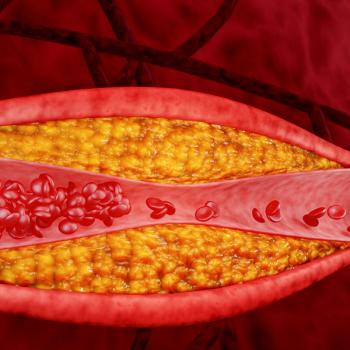
Evolocumab reshapes arterial plaque, reducing cardiovascular risk by lowering microcalcification and shifting plaque composition over 18 months.

MAR001 significantly lowers remnant cholesterol and triglycerides in Phase 2a data, offering hope for high-risk cardiovascular patients.

NewAmsterdam Pharma announces promising Phase 3 results for obicetrapib, showing significant LDL-C reduction in patients with ASCVD and/or HeFH.
FDA further postpones action date for elamipretide, a potential treatment for Barth syndrome, as discussions on labeling progress.

Data suggest that etripamil may be more effective than vagal maneuvers and oral prophylaxis, minimizing emergency department visits.

A major factor of type 2 diabetes mellitus, dyslipidemia can potentially be prevented by closely monitoring lipid profiles.
Advertisement
Advertisement
Trending on HCPLive
1
eGFR Underestimates CKD in Patients with Cancer, Study Finds
2
The HCPFive: Top News for Healthcare Providers from the Week of 10/18
3
42% on Povetacicept Reach KDIGO-Aligned UPCR Target in RAINIER
4
Tegoprubart Improves Quality of Life vs Tacrolimus After Kidney Transplant
5